Foundations of Self: Physical and Sexual Development
From the Understanding the self curriculum
TL;DR
Your physical and sexual development are fundamental to understanding who you are, shaping your body, identity, and relationships. Puberty marks significant biological changes, leading to sexual maturity and the development of primary and secondary sexual characteristics. Beyond biology, cultural and social factors profoundly influence how you perceive and express your sexuality.
1. The Mental Model
Think of your physical and sexual development as a journey with biological milestones (like puberty) that interact deeply with your social world (family, friends, culture) to shape your evolving sense of self and identity.
2. The Core Material
Understanding your physical and sexual development involves looking at both the biological processes and the psychological and social influences that shape you.
Puberty: The Biological Shift
Puberty is a period of rapid physical changes in which your body matures from childhood to adulthood, becoming capable of reproduction. It's driven by hormones, particularly estrogen in females and testosterone in males.
Key changes during puberty:
- Growth Spurt: A rapid increase in height and weight.
- Primary Sexual Characteristics: These are directly related to reproduction.
- Females: Development of ovaries, uterus, and vagina; onset of menstruation (menarche).
- Males: Development of testes, penis, and scrotum; first ejaculation (spermarche).
- Secondary Sexual Characteristics: These are physical changes not directly involved in reproduction but distinguishing males from females.
- Females: Breast development, widening of hips, growth of pubic and underarm hair.
- Males: Deepening of voice, growth of facial, pubic, and underarm hair, increased muscle mass.
- Brain Changes: Significant remodeling and maturation of brain regions, especially those related to emotion, decision-making, and social cognition.
Sexual Identity and Orientation

Photo by Markus Winkler on Pexels
While puberty is about biological changes, physical and sexual development also encompass your understanding and expression of your sexual identity and orientation.
- Gender Identity: Your internal sense of being male, female, both, neither, or somewhere else along the gender spectrum. This isn't necessarily tied to the sex you were assigned at birth.
- Sexual Orientation: Describes who you are emotionally, romantically, and/or sexually attracted to. Common orientations include heterosexual, homosexual (gay/lesbian), bisexual, pansexual, and asexual.
- Gender Expression: How you outwardly present your gender through clothing, behavior, voice, etc.
These aspects develop over time and are influenced by a mix of biological, psychological, and social factors.
The Role of Social and Cultural Factors
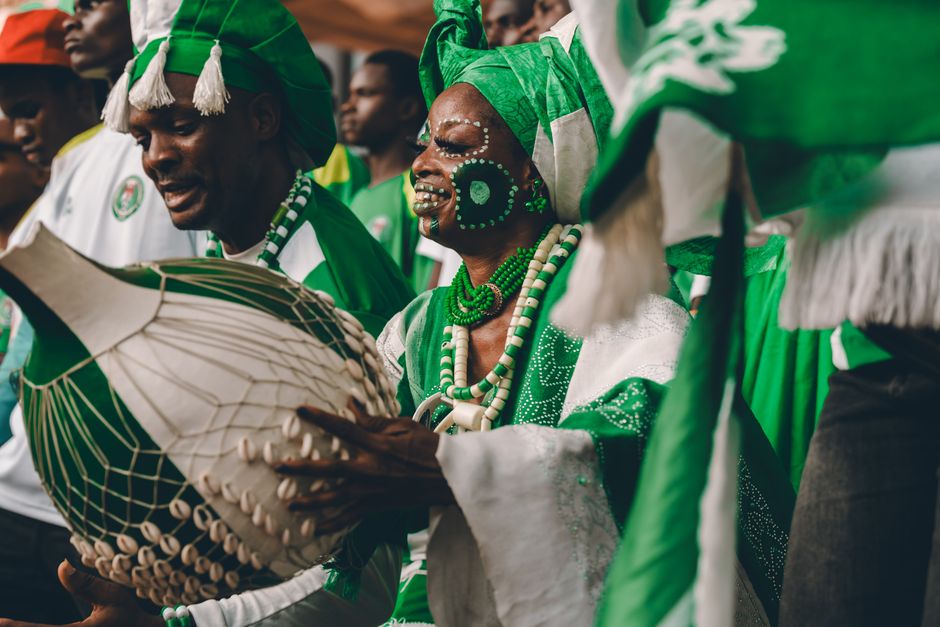
Photo by Jonathan Shembere on Pexels
Your physical and sexual development isn't just internal; it's heavily influenced by the world around you.
- Family: Early education about bodies, gender roles, and relationships.
- Peers: Influences on body image, sexual norms, and relationship expectations.
- Media: Portrayals of ideal body types, gender roles, and sexual behavior can create expectations and pressures.
- Culture & Religion: Dictates norms around modesty, premarital sex, marriage, and gender roles, profoundly impacting how you experience and express your sexuality.
- Education: Formal sex education can provide important information about reproductive health, contraception, consent, and healthy relationships.
Here's a diagram illustrating the interconnectedness:
graph TD
    A["Biological Changes (Puberty)"] --> B["Physical Appearance"]
    A --> C["Reproductive Capacity"]
    B --> D["Body Image & Self-Esteem"]
    C --> E["Sexual Health Knowledge"]
    D --> F["Social Interactions"]
    E --> F
    F --> G["Development of Sexual Identity & Orientation"]
    G --> H["Personal Relationships"]
    H --> I["Sense of Self"]
    J["Cultural/Social Norms"] --> D
    J --> E
    J --> F
    J --> G
3. Worked Example
Imagine Alex, a 13-year-old. Biologically, Alex is experiencing puberty: a growth spurt, voice changes, and new body hair. This is the physical development aspect. Socially, Alex is noticing peers starting to show interest in romantic relationships. Culturally, Alex's community has strong ideas about what it means to be masculine or feminine and about appropriate expressions of affection. These external factors interact with Alex's internal feelings and attractions. Over time, Alex begins to understand their sexual orientation—perhaps realizing they are attracted to people of the same gender, or perhaps the opposite gender. Alex also starts to develop a clearer gender identity—whether they feel like a boy, a girl, or something else—which may or may not align with their biological sex. All these elements—biological changes, social influences, and internal feelings—blend together to shape Alex's evolving sense of self.
4. Key Takeaways
- Puberty involves significant biological transformations driven by hormones, leading to sexual maturity.
- Primary sexual characteristics are directly for reproduction; secondary characteristics distinguish sexes outwardly.
- Your gender identity is your internal sense of self, while sexual orientation describes who you're attracted to.
- Social factors like family, peers, media, and culture deeply influence your body image and sexual development.
- Understanding these foundational aspects helps you build a clearer picture of your evolving self.
- Development is a complex interaction of biology, psychology, and social context, not just one factor.
Common mistakes to avoid:
- Confusing gender identity with sexual orientation; they are distinct aspects of self.
- Believing that development stops after puberty; self-understanding is an ongoing process.
- Assuming everyone experiences development in the exact same way or at the same pace.
- Underestimating the profound impact of social and cultural messages on your self-perception.
5. Now Try It
Take 15 minutes to reflect on your own journey. Think about one significant physical change you experienced during puberty and one social or cultural message you received about gender or sexuality. How did that physical change make you feel about your body at the time, and how did that social message influence your understanding or expression of yourself? Write down a few sentences describing the connection between these two experiences. Success looks like clearly articulating how a biological event and a social influence converged to shape a small part of your "self."
Frequently asked about Foundations of Self: Physical and Sexual Development
Study this next
Get the full Understanding the self curriculum
Clone the complete plan to your dashboard for unlimited AI-generated notes, practice quizzes, and a personalised revision schedule.
Save this course free