Pag-unawa sa Kamalayang Pilipino at Pakikibaka
From the pklp curriculum
Pag-unawa sa Kamalayang Pilipino at Pakikibaka
TL;DR
You'll learn what "Kamalayang Pilipino" means, focusing on how our unique history and culture shape our national identity. We'll explore how this consciousness fuels struggles for justice and self-determination. Understanding these concepts helps you grasp the deeper motivations behind Filipino actions and aspirations.
1. The Mental Model
Think of Kamalayang Pilipino as the collective soul and mind of the Filipino people. It's the shared understanding of who we are, where we came from, and what we believe in. This consciousness drives our collective actions and our fight for a better future.
2. The Core Material
Kamalayang Pilipino, or Filipino consciousness, isn't just about knowing you're Filipino; it's about deeply understanding the experiences, values, and historical forces that have shaped us. It’s a dynamic concept, constantly evolving, but always rooted in our shared past and aspirations.
Roots of Kamalayang Pilipino
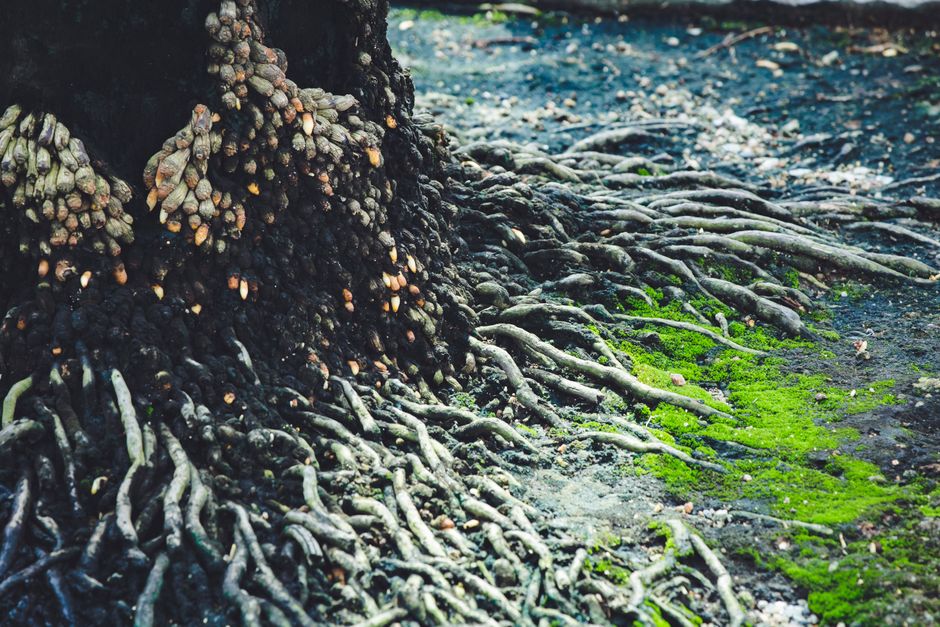
Photo by Jimmy Chan on Pexels
Your Kamalayang Pilipino is shaped by several key elements:
- Kasaysayan (History): This isn't just a timeline of events; it's our collective narrative. From pre-colonial societies to Spanish colonization, American occupation, Japanese invasion, and the struggle for independence, these experiences forged our identity. The narratives of oppression and resistance are central.
- Kultura (Culture): Our diverse cultures, languages, traditions, beliefs, and artistic expressions (like Baybayin, folk dances, traditional music) contribute to a unique Filipino worldview. Even with regional differences, there's a common thread of resilience, community (bayanihan), and spirituality.
- Wika (Language): Filipino, as our national language, serves as a unifying force and a repository of our collective memory and values. It reflects our nuances, humor, and worldview.
- Pananaw (Perspective/Worldview): This encompasses concepts like pakikisama (getting along), utang na loob (debt of gratitude), hiya (shame/dignity), and the deep sense of kapwa (shared identity/self-in-the-other). These aren't just social norms; they're philosophical underpinnings.
- Pakikibaka (Struggle): This is the active manifestation of Kamalayang Pilipino. It's the continuous fight for freedom, justice, sovereignty, and genuine development against various forms of oppression – historical, political, economic, and cultural. This can range from armed revolts to peaceful protests, advocacy, and cultural preservation.
The Interconnection of Kamalayan and Pakikibaka
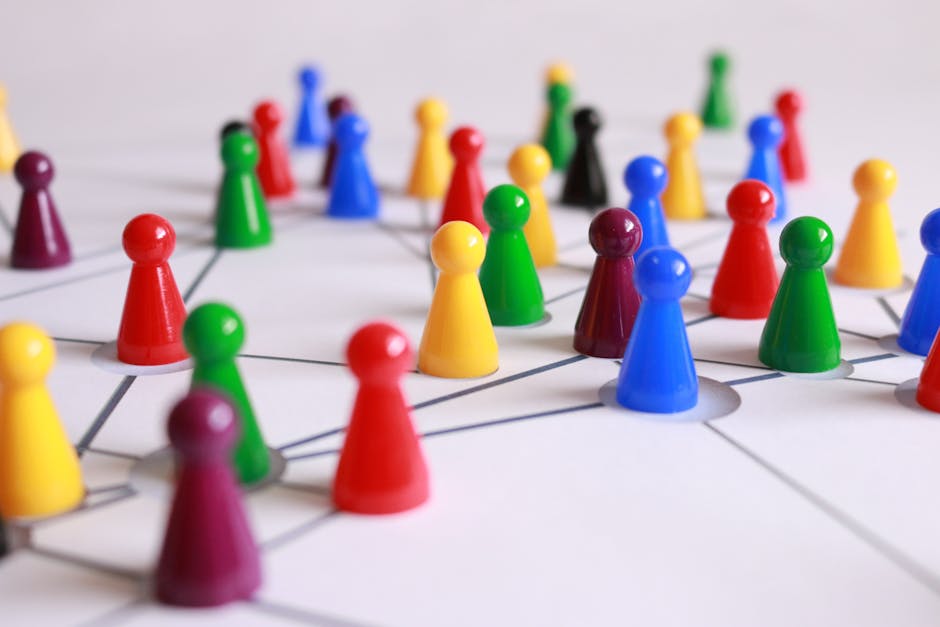
Photo by Pixabay on Pexels
Kamalayang Pilipino isn't passive; it's the foundation for pakikibaka. You can't truly engage in meaningful struggle without a deep understanding of what you're fighting for and why.
graph TD
    A["Historical Oppression (Colonization, Dictatorship)"] --> B["Development of Kamalayang Pilipino (Shared Identity, Grievances, Aspirations)"]
    B --> C["Emergence of Pakikibaka (Resistance, Revolution, Social Movements)"]
    C --> D["Demand for Self-Determination & Justice"]
    D --> E{"Achieved? (e.g., Independence, Reform)"}
    E -- No --> C
    E -- Yes --> F["Evolving Kamalayan & New Forms of Pakikibaka"]
This diagram illustrates a cycle: historical injustices (like colonization) lead to the development of a shared Filipino consciousness (Kamalayan), which then sparks various forms of struggle (Pakikibaka). This struggle aims for self-determination and justice. If not fully achieved, the struggle continues. If achieved, the consciousness evolves, leading to new struggles against new challenges (e.g., poverty, corruption, neo-colonialism).
Contemporary Relevance
Photo by Nowrin Sanjana on Pexels
Today, Kamalayang Pilipino and pakikibaka are crucial in addressing modern challenges like historical revisionism, threats to sovereignty, economic inequality, environmental degradation, and the defense of human rights. Understanding this framework helps you interpret current events and social movements in the Philippines.
3. Worked Example
Let's look at the Edsa People Power Revolution in 1986.
Challenge: Decades of Marcos's authoritarian rule, human rights abuses, and corruption. This created deep national grievances and a strong desire for change among many Filipinos.
Kamalayang Pilipino in Action:
* Shared History: Filipinos remembered the struggles for democracy and sovereignty against foreign powers. They understood the value of freedom.
* Cultural Values: Kapwa and bayanihan fueled the collective action, as people saw their struggles intertwined and came together to support each other on the streets. The concept of hiya (shame) also played a role – many felt shame for the state of the nation and were compelled to act to restore national dignity.
* Common Narrative: The assassination of Ninoy Aquino became a rallying cry, symbolizing the depths of the regime's oppression and galvanizing a collective desire for justice. The belief in a better, more democratic Philippines was strong.
Pakikibaka Manifestation:
* Non-violent Resistance: Millions of Filipinos gathered on EDSA, facing down tanks and soldiers with prayers, flowers, and collective defiance. This was a direct, non-violent struggle against an oppressive regime.
* Citizen Mobilization: The event wasn't led by a single group but by a diverse coalition of students, workers, religious groups, and middle-class citizens, all driven by a shared consciousness that change was necessary.
* Outcome: The peaceful overthrow of the Marcos dictatorship demonstrated the power of a united people driven by a strong Kamalayang Pilipino, resulting in the restoration of democratic institutions. This act of pakikibaka continues to define a generation's understanding of Filipino power.
4. Key Takeaways
- Kamalayang Pilipino is the shared consciousness and identity of Filipinos, shaped by history, culture, and language.
- It's a dynamic concept, not static, and evolves with collective experiences and challenges.
- Pakikibaka is the active struggle for justice, sovereignty, and self-determination, directly fueled by Kamalayang Pilipino.
- Understanding our shared historical experiences, especially those of oppression and resistance, is crucial to grasping Kamalayan.
- Filipino cultural values like kapwa, bayanihan, and hiya deeply influence both Kamalayan and the forms of Pakikibaka.
- Contemporary issues in the Philippines often reflect ongoing struggles rooted in our national consciousness.
Common Mistakes to Avoid:
- Don't assume Kamalayang Pilipino is uniform; it has diverse expressions across regions and social classes.
- Avoid reducing Pakikibaka solely to armed struggle; it encompasses many forms of resistance and advocacy.
- Don't see Kamalayan as just a historical concept; it's continuously shaped by current events and future aspirations.
- Don't mistake nationalism for Kamalayang Pilipino; while related, Kamalayan is a deeper, more critical understanding of identity beyond mere pride.
5. Now Try It
Spend 15 minutes thinking about a recent social or political issue in the Philippines that you're aware of (e.g., historical revisionism, West Philippine Sea dispute, poverty). Try to identify specific elements of Kamalayang Pilipino (historical context, cultural values, shared grievances) that you believe are influencing the public's perception and actions regarding this issue. Then, describe at least one form of Pakikibaka (it could be a protest, an advocacy campaign, an artistic expression, or even a community initiative) that has emerged in response to it.
What success looks like: You should be able to clearly articulate the connection between the underlying Filipino consciousness and the observed struggle, showing how one informs the other in a contemporary context.
Frequently asked about Pag-unawa sa Kamalayang Pilipino at Pakikibaka
Get the full pklp curriculum
Clone the complete plan to your dashboard for unlimited AI-generated notes, practice quizzes, and a personalised revision schedule.
Create Free Account