Foundations of Television Production
From the Tv production curriculum
Foundations of Television Production
TL;DR
Television production involves a structured process from idea to screen, requiring distinct phases and a team of specialists. Understanding these foundational steps helps you see how everything fits together for a successful show. It's about combining creativity with technical and logistical planning.
1. The Mental Model
Think of TV production like building a house. You need an initial idea, detailed plans, raw materials, skilled workers, and a clear sequence of steps to go from an empty lot to a finished home. Each stage builds on the last, and careful planning prevents major issues down the road.
2. The Core Material
TV production generally breaks down into three main phases: pre-production, production, and post-production. Each phase has specific goals and involves different teams and tasks.
Pre-Production: The Planning Stage
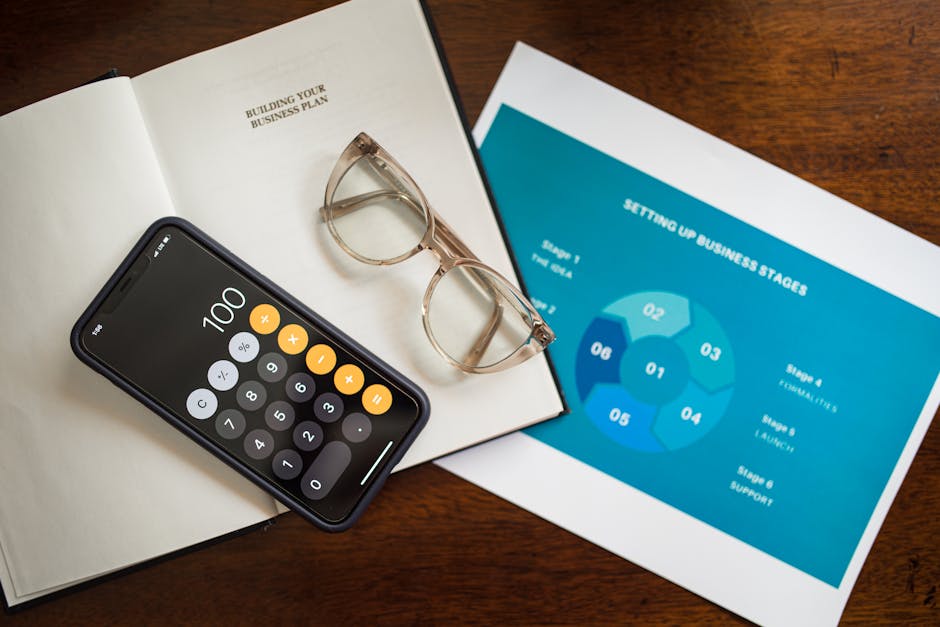
Photo by RDNE Stock project on Pexels
This is where all the planning happens before any cameras roll. It's the most critical phase for setting up success and avoiding costly mistakes later.
- Concept Development: What's the show about? Who's the audience? What's the format? This is fleshing out the core idea.
- Scriptwriting: Creating the blueprint for the show – dialogue, action, scene descriptions.
- Budgeting & Scheduling: Figuring out how much money you need and how long each part will take. This is where practicality meets creativity.
- Casting: Selecting actors, hosts, or presenters.
- Crewing: Hiring the essential team members like directors, producers, camera operators, sound engineers, etc.
- Location Scouting: Finding and securing the right places to shoot.
- Logistics & Permissions: Arranging equipment, permits, insurance, and travel.
Production: The Shooting Stage
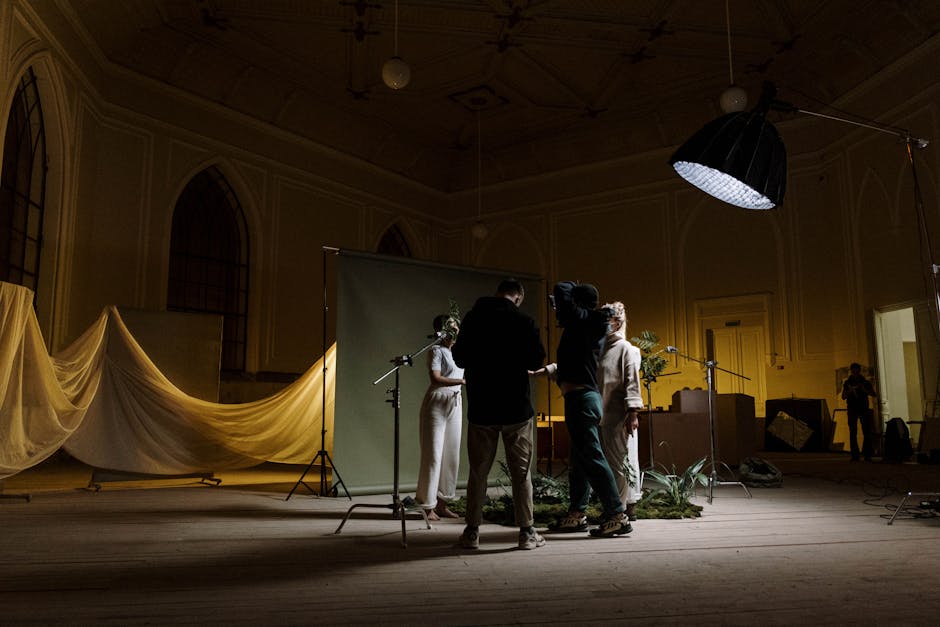
Photo by cottonbro studio on Pexels
This is when you actually record the footage. It's often the most visible and active phase.
- Directing: Guiding the cast and crew to capture the intended performance and visuals.
- Camera Operation: Physically capturing the video footage.
- Sound Recording: Ensuring clean, high-quality audio is captured on set.
- Lighting: Setting up illumination to create the desired mood and look.
- Set Design & Art Direction: Creating and managing the physical environment.
- Continuity: Making sure elements match from shot to shot to avoid jarring errors.
Post-Production: The Finishing Stage
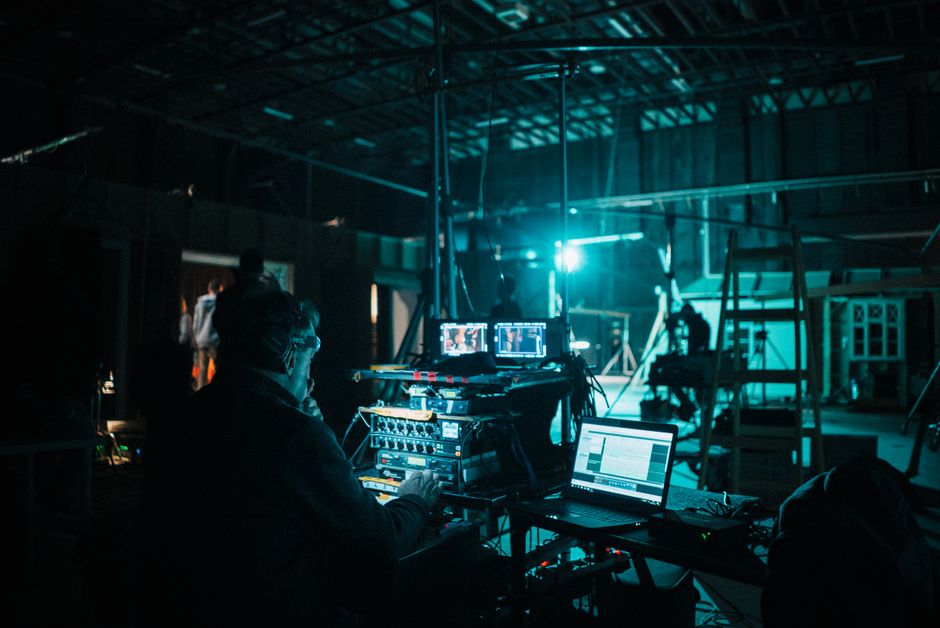
Photo by Bence Szemerey on Pexels
Once all the footage is shot, post-production brings it all together into the final program.
- Editing: Assembling the best takes, cutting scenes, and creating a cohesive story flow.
- Sound Design & Mixing: Adding sound effects, music, and balancing all audio elements.
- Visual Effects (VFX): Adding any digital elements or special effects.
- Color Correction/Grading: Adjusting the colors and contrast to achieve a consistent and polished look.
- Graphics & Titles: Creating opening credits, lower thirds, and other on-screen text.
- Delivery: Preparing the final program for broadcast or distribution.
Here's a diagram showing the typical flow:
graph TD
    A["Idea/Concept Development"] --> B["Scripting"];
    B --> C["Budgeting & Scheduling"];
    C --> D["Casting & Crewing"];
    D --> E["Location Scouting & Logistics"];
    E --> F{"Pre-Production Complete"};
    F --> G["Shooting/Recording Footage"];
    G --> H["Sound Recording"];
    H --> I["Lighting"];
    I --> J{"Production Complete"};
    J --> K["Editing"];
    K --> L["Sound Design & Mixing"];
    L --> M["Visual Effects & Graphics"];
    M --> N["Color Grading"];
    N --> O{"Post-Production Complete"};
    O --> P["Delivery/Distribution"];
3. Worked Example
Let's imagine you're producing a 30-minute cooking show episode.
Pre-Production:
You'd start with a concept (e.g., "Quick Weeknight Meals"). Then, you'd write a script outlining the recipes, dialogue for the host, and camera angles. You'd create a budget for ingredients, kitchen rental, and crew salaries. You'd cast a host, hire a director, camera operator, and sound mixer. Finally, you'd scout a kitchen studio and arrange for all necessary cooking equipment and ingredients to be delivered.
Production:
On the shoot day, the director guides the host through the steps. The camera operator captures wide shots, close-ups of ingredients, and overhead shots of cooking. The sound mixer ensures the host's dialogue is clear, and the sizzle of food sounds good. The food stylist makes sure everything looks perfect on camera.
Post-Production:
After filming, the editor cuts together the best takes, removing mistakes, and adding in reaction shots. They'd add graphics for recipe instructions and ingredient lists. A sound designer might add ambient kitchen noises or upbeat music. Finally, the colorist would make sure all shots have a consistent, appetizing look, before the episode is delivered to the broadcaster.
4. Key Takeaways
- Structure is key: TV production follows a clear, three-phase process: pre-production, production, and post-production.
- Planning prevents problems: Thorough pre-production saves time and money during later stages.
- Collaboration is essential: A successful production relies on many different specialists working together.
- Each phase has distinct goals: Know what needs to be achieved in each stage before moving on.
- Quality control matters: Attention to detail in sound, visuals, and storytelling makes a professional final product.
Common Mistakes to Avoid:
- Skipping pre-production: Don't rush into shooting without a solid plan; it almost always leads to chaos and cost overruns.
- Poor audio: Bad sound can ruin an otherwise great video – always prioritize clear audio.
- Ignoring legalities: Not getting proper permits, releases, or understanding copyright can lead to serious issues.
- Underestimating post-production: Editing, sound, and color takes significant time and skill; don't treat it as an afterthought.
5. Now Try It
Think of a short, simple TV segment (e.g., a 2-minute weather report, a product review, or a short interview). Write down three bullet points for what you'd do in each of the three phases (pre-production, production, post-production) to make it happen. What equipment would you need? What roles would be critical?
Success looks like: A clear, concise plan for each phase, demonstrating you understand the flow and key tasks involved.
Frequently asked about Foundations of Television Production
Get the full Tv production curriculum
Clone the complete plan to your dashboard for unlimited AI-generated notes, practice quizzes, and a personalised revision schedule.
Create Free Account