Non-Renewable Energy Resources
From the Science curriculum
Non-Renewable Energy Resources
TL;DR
Non-renewable energy resources are natural resources that form over millions of years and cannot be replenished quickly enough to keep up with our consumption. These include fossil fuels like coal, oil, and natural gas, and nuclear fuels like uranium, which provide much of our current energy but cause environmental concerns. Since they're finite, we're actively looking for alternatives and ways to use them more efficiently.
1. The Mental Model
Imagine a bank account that only gets deposits once every few million years, but you're making daily withdrawals. Eventually, that account will run dry. Non-renewable energy is like that—we're using it up much faster than nature can create it.
2. The Core Material
Non-renewable energy resources are those that exist in fixed amounts and are consumed much faster than they are naturally formed. Once they're gone, they're gone. Our modern world relies heavily on these resources, but their limited supply and environmental impact are big concerns.
What are they?

Photo by Ann H on Pexels
The main non-renewable energy resources are:
- Fossil Fuels: These are formed from the remains of ancient plants and animals over millions of years under immense heat and pressure.
- Coal: A solid fossil fuel, primarily used for electricity generation and industrial processes. It's abundant but produces a lot of pollution when burned.
- Oil (Petroleum): A liquid fossil fuel, refined into gasoline, diesel, and many other products like plastics. It's relatively easy to transport and has a high energy density.
- Natural Gas: A gaseous fossil fuel, mostly methane, used for heating, electricity, and as vehicle fuel. It's considered cleaner-burning than coal or oil but still contributes to greenhouse gas emissions.
- Nuclear Fuels: These are radioactive elements used to generate heat through nuclear fission.
- Uranium: The most common nuclear fuel. Nuclear power plants split uranium atoms, releasing a huge amount of energy without producing greenhouse gases, but they generate radioactive waste.
How do they work?

Photo by Ylanite Koppens on Pexels
Generally, for fossil fuels, we burn them. This releases stored chemical energy as heat, which can then be used to boil water, create steam, and turn turbines to generate electricity. For nuclear fuels, we split atoms in a controlled chain reaction to produce heat, which also boils water to generate steam and turn turbines.
Here's a simplified look at how fossil fuels are turned into electricity:
graph TD
    A["Extract Fossil Fuel (Coal, Oil, Gas)"] --> B["Transport to Power Plant"]
    B --> C["Burn Fuel"]
    C --> D["Heat Water to Create Steam"]
    D --> E["Steam Drives Turbine"]
    E --> F["Turbine Spins Generator"]
    F --> G["Generate Electricity"]
    G --> H["Deliver to Consumers"]
Environmental Impacts
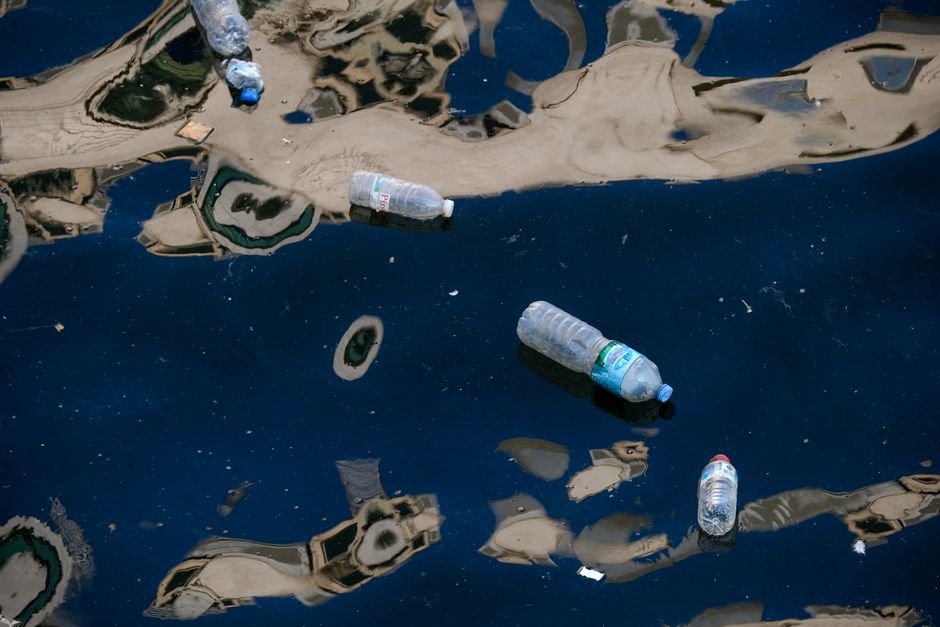
Photo by Çağrı KANMAZ on Pexels
Using non-renewable resources comes with significant environmental costs:
- Air Pollution: Burning fossil fuels releases greenhouse gases (like carbon dioxide, methane) that contribute to climate change, and pollutants (like sulfur dioxide, nitrogen oxides) that cause acid rain and respiratory problems.
- Habitat Destruction: Mining for coal and drilling for oil and gas can destroy ecosystems and pollute water sources.
- Oil Spills: Accidental spills during drilling or transport can devastate marine life and coastal environments.
- Radioactive Waste: Nuclear power produces highly radioactive waste that needs to be stored safely for thousands of years.
3. Worked Example
Let's consider a typical coal-fired power plant.
- Coal Extraction: Huge machines dig coal out of the ground (e.g., a surface mine extracts 10,000 tons of coal per day).
- Transport: The coal is loaded onto trains or conveyor belts and moved to the power plant.
- Combustion: At the plant, the coal is pulverized into a fine powder and blown into a furnace. Imagine burning 1,000 tons of coal every hour.
- Heat Exchange: The intense heat from burning coal boils water in massive boilers, creating high-pressure steam.
- Turbine Operation: This steam blasts against the blades of a giant turbine, making it spin rapidly (e.g., at 3,600 revolutions per minute).
- Electricity Generation: The spinning turbine is connected to a generator, which converts mechanical energy into electrical energy. A large plant might generate 1,000 megawatts (MW) of electricity, enough to power around 750,000 homes.
- Emissions: For every hour that 1,000 tons of coal are burned to produce 1,000 MW, roughly 2,500 tons of carbon dioxide are released into the atmosphere, along with other pollutants.
This example shows the massive energy output but also the substantial environmental footprint associated with a single non-renewable energy source.
4. Key Takeaways
- Non-renewable resources are finite and form over geological timescales, making them irreplaceable within human lifespans.
- Fossil fuels (coal, oil, natural gas) are derived from ancient organic matter and are the primary sources of energy globally.
- Nuclear fuels (like uranium) generate power through nuclear fission, producing significant energy without direct greenhouse gas emissions.
- The extraction and combustion of fossil fuels are major contributors to air pollution, greenhouse gas emissions, and climate change.
- Nuclear power generates long-lived radioactive waste that requires secure, long-term storage solutions.
- Our reliance on these resources means we face challenges regarding resource depletion, energy security, and environmental protection.
5. Now Try It
Think about your daily energy consumption for 15 minutes. List three specific things you used or did today that likely relied on non-renewable energy (e.g., charged your phone, drove somewhere, heated your home). For each item, identify which non-renewable resource was most likely involved and one environmental impact associated with that resource.
Success looks like: A list of three items, with a plausible non-renewable resource identified for each, and a relevant environmental consequence mentioned.
Frequently asked about Non-Renewable Energy Resources
More from Science
Get the full Science curriculum
Clone the complete plan to your dashboard for unlimited AI-generated notes, practice quizzes, and a personalised revision schedule.
Create Free Account