Introduction to Human Organ Systems and Levels of Organization
From the Circulatory system, Respiratory system, endocrine, excrotory, and digestive system curriculum
Introduction to Human Organ Systems and Levels of Organization
TL;DR
Your body is an incredibly organized machine, built from tiny parts that work together. We'll explore how these parts, from cells to organ systems, are arranged and function. Understanding this hierarchy helps us see how everything in your body is connected and coordinated.
1. The Mental Model
Think of your body like a city. Individual citizens (cells) form neighborhoods (tissues), which make up districts (organs) with specific jobs. These districts then work together to run the entire city (organism).
2. The Core Material
Your body is organized in a series of levels, starting from the smallest and becoming more complex. Each level builds upon the one before it, ensuring everything works smoothly.
2.1 Chemical Level
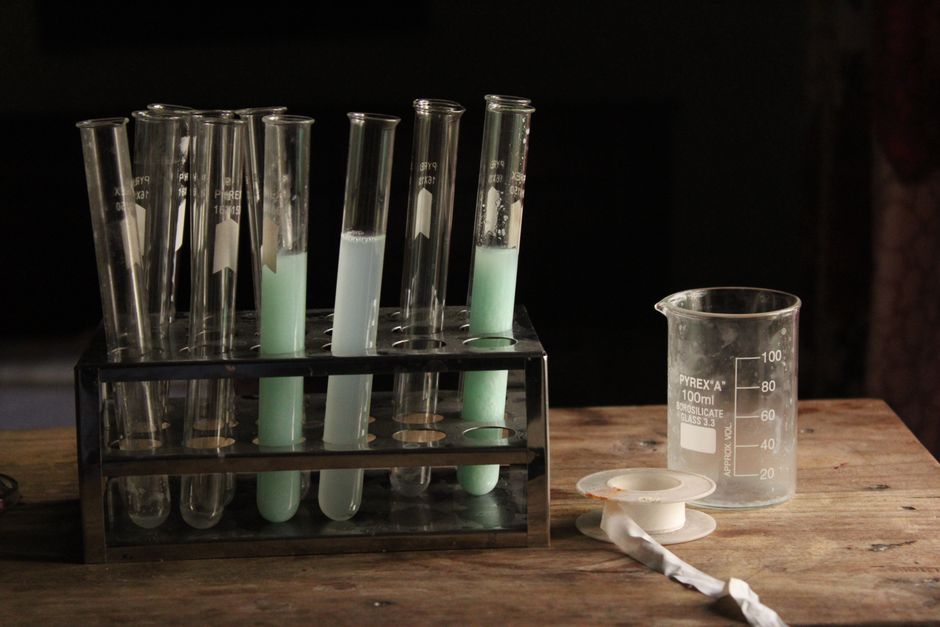
Photo by Jahra Tasfia Reza on Pexels
This is the most basic level. It includes atoms, like carbon, hydrogen, oxygen, and nitrogen, which are the building blocks of everything. These atoms combine to form molecules, such as water, proteins, carbohydrates, and fats, which are essential for life.
2.2 Cellular Level

Photo by Fayette Reynolds M.S. on Pexels
Molecules come together in specific ways to form cells. Cells are the fundamental units of life. You have many different types of cells, like muscle cells for movement, nerve cells for communication, and blood cells for transport, each with specialized functions.
2.3 Tissue Level
Photo by Fayette Reynolds M.S. on Pexels
Similar cells that work together to perform a specific function form a tissue. There are four main types of tissues in your body:
* Epithelial tissue: Covers body surfaces and lines cavities (like your skin or the lining of your stomach).
* Connective tissue: Supports, protects, and binds other tissues (like bone, blood, and fat).
* Muscle tissue: Responsible for movement.
* Nervous tissue: Carries electrical messages throughout the body.
2.4 Organ Level

Photo by Mohan Nannapaneni on Pexels
Different types of tissues combine to form an organ. An organ is a structure composed of at least two, but usually all four, tissue types that work together to carry out specific functions. For example, your stomach contains epithelial tissue for lining, muscle tissue for churning food, connective tissue for support, and nervous tissue for control.
2.5 Organ System Level
Several organs that cooperate to accomplish a common purpose form an organ system. For instance, your digestive system includes the mouth, esophagus, stomach, intestines, and other organs, all working together to process food.
2.6 Organismal Level
All the organ systems working together make up an entire organism – that's you! Your circulatory, respiratory, endocrine, excretory, and digestive systems, along with many others, all cooperate to keep you alive and functioning.
Here's how these levels stack up:
graph TD
    A["Chemical Level (Atoms & Molecules)"] --> B["Cellular Level (Cells)"]
    B --> C["Tissue Level (Groups of Cells)"]
    C --> D["Organ Level (Structures of Tissues)"]
    D --> E["Organ System Level (Groups of Organs)"]
    E --> F["Organismal Level (You!)"]
3. Worked Example
Let's trace the path of a simple oxygen molecule from the environment to its use within your body, demonstrating these levels of organization.
- Chemical Level: An oxygen atom (O) combines with another oxygen atom to form an oxygen molecule (O2).
- Cellular Level: This O2 molecule enters a red blood cell (a type of cell specialized for oxygen transport) in your lungs.
- Tissue Level: The red blood cell is part of blood, which is a connective tissue. This blood tissue circulates throughout your body.
- Organ Level: The blood, carrying oxygen, is pumped by your heart (an organ made of muscle, nervous, and connective tissues) through blood vessels. The O2 then diffuses out of the blood and into a muscle cell in your leg, for example.
- Organ System Level: Your circulatory system (heart, blood vessels, blood) and respiratory system (lungs, airways) work together to bring that O2 from the air to your leg muscle.
- Organismal Level: All these systems cooperate to keep your leg muscles working, allowing you to walk, which is an activity of the whole organism.
4. Key Takeaways
- Your body is organized hierarchically, from atoms to organ systems.
- Cells are the basic building blocks of life.
- Tissues are groups of similar cells with a common function.
- Organs are made of different tissues working together.
- Organ systems are groups of organs that cooperate for a major body function.
- All levels must function correctly for the entire organism to be healthy.
Common mistakes to avoid:
- Confusing an organ with an organ system (e.g., the heart is an organ, the cardiovascular system is an organ system).
- Thinking all cells are the same; they are highly specialized.
- Forgetting that all levels are interconnected and depend on each other.
- Not recognizing that a single organ (like the stomach) contains multiple tissue types.
5. Now Try It
Imagine you're eating a piece of apple. Describe how the apple travels through your digestive system, identifying at least one example for each level of organization (chemical, cellular, tissue, organ, organ system) involved in its digestion and absorption. What success looks like: You've clearly identified an example at each of the six levels of organization for the apple's journey.
Frequently asked about Introduction to Human Organ Systems and Levels of Organization
Get the full Circulatory system, Respiratory system, endocrine, excrotory, and digestive system curriculum
Clone the complete plan to your dashboard for unlimited AI-generated notes, practice quizzes, and a personalised revision schedule.
Create Free Account