Introduction to Aquaculture
From the aquaculture and types of aquaculture system curriculum
Introduction to Aquaculture
TL;DR
Aquaculture is farming aquatic organisms like fish, shellfish, and plants in controlled environments for food and other products. It's essentially "farming in water" and provides a significant portion of global seafood. You'll learn about its importance, history, and the basic reasons why we need it.
1. The Mental Model
Think of aquaculture as just like farming on land, but instead of growing crops or raising livestock in fields, you're growing fish, shrimp, or even seaweed in ponds, tanks, or ocean pens. It's about actively managing and harvesting aquatic life.
2. The Core Material
Aquaculture is the cultivation of aquatic animals and plants under controlled conditions. This means you're actively involved in raising the organisms, unlike simply catching them from the wild. It's a growing industry because wild fish stocks are declining due to overfishing, and global demand for seafood is increasing.
Why is Aquaculture Important?

Photo by Quang Nguyen Vinh on Pexels
- Food Security: Provides a reliable source of protein for a growing global population.
- Economic Impact: Creates jobs and supports local economies, especially in coastal areas.
- Environmental Benefits (Potentially): Can reduce pressure on wild fisheries and, if managed well, can be more sustainable than some land-based farming.
- Diverse Products: Beyond just food, aquaculture produces ornamental fish, pearls, seaweed for food and other products (like agar), and even aquatic plants for ecological restoration.
A Brief History

Photo by Sascha Klement on Pexels
Aquaculture isn't new; it dates back thousands of years. Early forms involved trapping fish in ponds or managing coastal areas for shellfish. Modern aquaculture, however, uses advanced technology, scientific understanding of aquatic biology, and engineering to maximize production and efficiency.
Key Components of an Aquaculture System
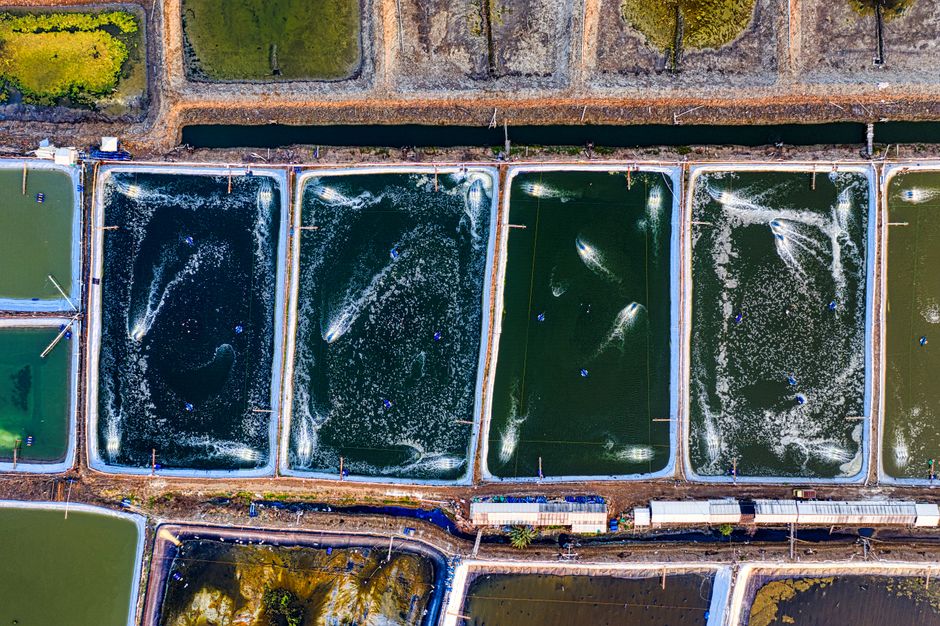
Photo by Tom Fisk on Pexels
Regardless of the specific type, most aquaculture systems involve these core elements:
graph TD
    A["Water Source (e.g., River, Ocean, Well)"] --> B["Culture Unit (e.g., Pond, Tank, Cage)"]
    B --> C["Stocking (Juveniles/Larvae)"]
    C --> D["Feeding & Management (Nutrition, Water Quality)"]
    D --> E["Harvesting"]
    E --> F["Processing & Market"]
    F --> A
    B --"Waste Management"--> G["Effluent Treatment (if applicable)"]
    G --> A
- Water Source: You need a reliable supply of good quality water. This could be from a river, lake, ocean, or even groundwater.
- Culture Unit: This is where the organisms live. It can be anything from a simple earthen pond to complex recirculating tank systems or sea cages.
- Stocking: You introduce young aquatic organisms (e.g., fingerlings for fish, post-larvae for shrimp) into the culture unit.
- Feeding & Management: You provide appropriate feed and constantly monitor water quality (temperature, oxygen, pH), disease, and growth. This is crucial for success.
- Harvesting: Once the organisms reach market size, you collect them.
- Processing & Market: The harvested product is prepared and sold.
3. Worked Example
Imagine you're setting up a small tilapia farm in a rural area. You decide on earthen ponds.
- Water Source: You identify a nearby river with good water quality for filling your ponds. You'll need to pump water in.
- Culture Unit: You dig and prepare three earthen ponds, each about 1/4 acre in size. You line them to prevent water loss and have a drain for emptying.
- Stocking: You purchase 5,000 tilapia fingerlings (small juvenile fish) from a reputable hatchery and carefully introduce 1,600-1,700 into each pond.
- Feeding & Management: You feed the fish a commercial pellet feed twice a day, based on their size and number. You regularly check the water temperature and use a simple aerator when oxygen levels drop, especially on hot days. You watch for signs of disease.
- Harvesting: After about 6-8 months, your tilapia reach market size (around 1 pound each). You drain the ponds partially and use nets to harvest the fish.
- Processing & Market: The harvested fish are immediately put on ice. You then sell them fresh to local restaurants and a community market.
4. Key Takeaways
- Aquaculture is the farming of aquatic organisms in controlled environments.
- It's crucial for global food security, addressing the gap left by declining wild fisheries.
- Aquaculture has a long history but has become much more advanced with modern technology.
- Key elements include a water source, culture unit, stocking, feeding/management, and harvesting.
- Proper water quality management and feeding are vital for successful aquaculture.
- Aquaculture encompasses a wide range of organisms, from fish and shellfish to plants.
- It provides significant economic benefits and diverse products beyond just food.
5. Now Try It
Think about your local area. What kind of aquaculture might be suitable there, considering available resources (water, land, climate) and market demand (what seafood do people eat)? Research one type of aquatic organism (e.g., oysters, salmon, shrimp, seaweed) and briefly outline the primary water source and culture unit type you'd likely use to farm it. What's one major challenge you anticipate for that specific organism?
What success looks like: You'll have identified an organism, a probable system type (e.g., "oysters in intertidal racks," "salmon in marine net pens," "shrimp in inland ponds"), and a realistic challenge (e.g., "water quality fluctuations," "disease outbreaks," "regulatory hurdles").
Frequently asked about Introduction to Aquaculture
Get the full aquaculture and types of aquaculture system curriculum
Clone the complete plan to your dashboard for unlimited AI-generated notes, practice quizzes, and a personalised revision schedule.
Create Free Account