Introduction to Edgar Allan Poe and the Gothic Tradition
From the The Raven by Edgar Allan Poe curriculum
Introduction to Edgar Allan Poe and the Gothic Tradition
TL;DR
You're about to explore Edgar Allan Poe, a key figure in American literature, known for his dark and haunting tales. We'll connect his unique style to the broader literary movement called Gothicism. Understanding both will help you appreciate "The Raven" deeply.
1. The Mental Model
Poe is like the master architect of a creepy, old mansion; he built stories designed to evoke intense fear and melancholy. Gothic tradition is the blueprint for this kind of emotional architecture.
2. The Core Material
Edgar Allan Poe: The Master of Macabre

Photo by Armin Forster on Pexels
Edgar Allan Poe (1809-1849) was an American writer, poet, editor, and literary critic. He's best known for his tales of mystery and the macabre, often exploring themes of death, decay, madness, and lost love. He didn't just write scary stories; he delved into the psychological impact of these themes, aiming to create a singular, intense emotional effect on the reader. He's considered a central figure of American Romanticism and a pioneer of the detective fiction genre. His personal life was marked by tragedy and financial struggles, which often fueled the dark nature of his work.
The Gothic Tradition: Atmosphere, Emotion, and the Supernatural
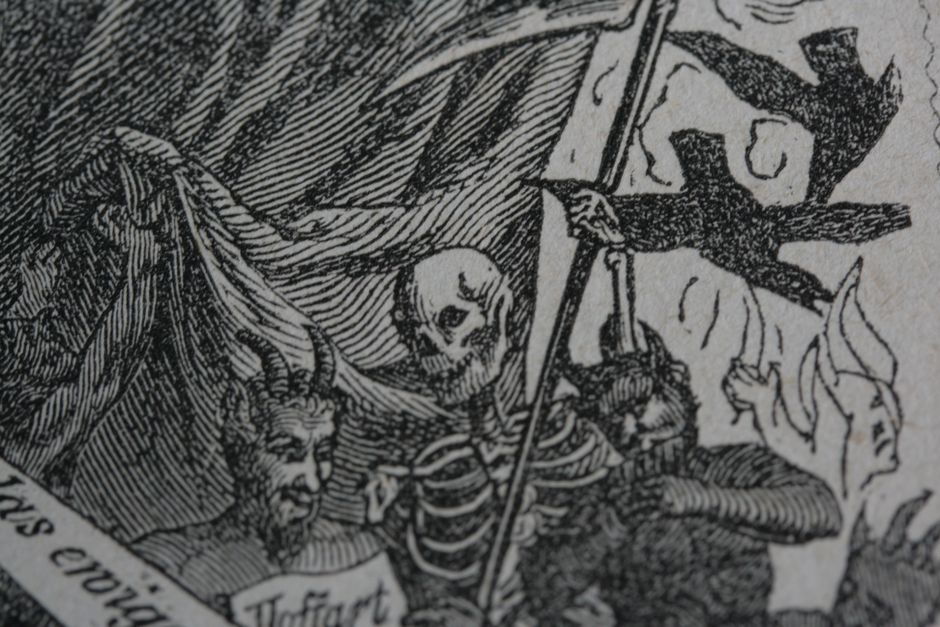
Photo by Joachim Schnürle on Pexels
Gothic literature emerged in the late 18th century, primarily in England, as a reaction against the Enlightenment's emphasis on reason. It embraced the dark, irrational side of human nature and the world. Think old castles, haunted houses, secret passages, and characters driven by intense emotions like terror, despair, and obsession.
Key elements of Gothic literature include:
- Setting: Often desolate, decaying, or isolated places (castles, mansions, graveyards). These settings create an oppressive, fearful atmosphere.
- Atmosphere: A prevailing mood of gloom, dread, and suspense. The environment itself feels alive and threatening.
- Emotion: Focus on intense, often exaggerated emotions, especially fear, melancholy, and passion. Characters are often tormented.
- Supernatural/Mysterious: Elements that defy rational explanation, like ghosts, curses, or unexplained phenomena. Or, events that seem supernatural but later have a rational (though still disturbing) explanation.
- The Sublime: A feeling of awe mixed with terror, often evoked by vast, wild landscapes or overwhelming power.
- Psychological Exploration: Delving into the disturbed minds of characters, their madness, and their descent into obsession. Poe excels here.
This diagram shows how Poe's work connects to the Gothic tradition, creating a specific emotional impact.
graph TD
    A["Edgar Allan Poe's Work"] --> B["Elements of Gothic Tradition"]
    B --> C["Setting: Decay & Isolation (e.g., Raven's chamber)"]
    B --> D["Atmosphere: Gloom & Dread (e.g., Midnight, bleak December)"]
    B --> E["Emotion: Terror & Melancholy (e.g., Narrator's grief)"]
    B --> F["Supernatural/Mysterious (e.g., Talking raven, Lenore's ghost)"]
    B --> G["Psychological Focus (e.g., Narrator's descent into madness)"]
    A --> H["Result: Singular Emotional Effect (Horror, Sadness)"]
    G --> H
    F --> H
    E --> H
    D --> H
    C --> H
3. Worked Example
Let's consider a quote from Poe's "The Fall of the House of Usher":
"I know not how it was—but, with the first glimpse of the building, a sense of insufferable gloom pervaded my spirit. I say insufferable; for the feeling was unrelieved by any of that half-pleasurable, because poetic, sentiment, with which the mind usually receives even the sternest natural images of the desolate or terrible."
Here, you see several Gothic elements immediately:
- Setting: "the building" (the House of Usher itself, described as decaying).
- Atmosphere: "insufferable gloom pervaded my spirit."
- Emotion: The narrator feels an overwhelming "gloom" and a sense of the "desolate or terrible" that goes beyond mere poetic appreciation—it's profoundly disturbing. This isn't just descriptive; it's designed to make you, the reader, feel that same pervasive dread.
4. Key Takeaways
- Edgar Allan Poe is known for exploring dark psychological themes like madness, death, and lost love.
- The Gothic tradition uses specific elements like decaying settings, intense emotions, and the mysterious to create dread and suspense.
- Poe perfected the "single effect" theory, where every element of a story works to produce one dominant emotional impact.
- His personal tragedies often influenced the melancholy and darkness found in his writing.
- "The Raven" embodies many Gothic characteristics, particularly its oppressive atmosphere and psychological focus.
Common Mistakes to Avoid:
- Don't confuse "Gothic" solely with architecture; it's a literary movement with distinct themes and stylistic choices.
- Don't think Poe's stories are just scary for scare's sake; he's often exploring deep psychological states.
- Avoid assuming all supernatural elements in Gothic literature are always real; sometimes they're psychological projections.
- Don't overlook the purpose of the gloom and dread; it's meant to evoke a specific emotional response in you.
5. Now Try It
Think about a favorite scary movie or book you've encountered. List three specific details (e.g., the setting, a character's emotion, a strange event) from that story. Then, for each detail, explain how it aligns with one of the core elements of the Gothic tradition we discussed (Setting, Atmosphere, Emotion, Supernatural/Mysterious, or Psychological Exploration). Success means you can clearly link your examples to these Gothic concepts.
Frequently asked about Introduction to Edgar Allan Poe and the Gothic Tradition
Get the full The Raven by Edgar Allan Poe curriculum
Clone the complete plan to your dashboard for unlimited AI-generated notes, practice quizzes, and a personalised revision schedule.
Create Free Account