Traditional Banking Systems
From the Fin 6778 curriculum
Traditional Banking Systems
TL;DR
Traditional banking systems are financial institutions that primarily accept deposits and make loans, playing a crucial role in economic stability by facilitating capital flow. They operate under a fractional reserve system, meaning they lend out most of the money deposited with them, not all of it. Regulations and interest rate management are key to their operations and profitability.
1. The Mental Model
Think of a traditional bank as a financial intermediary. It takes money from people who have extra (depositors) and lends it to people who need it (borrowers), earning a profit on the difference in interest rates. It's like a financial switchboard connecting savers to spenders.
2. The Core Material
Traditional banking systems are built on a few core functions: deposit taking, lending, and payment processing. Banks are highly regulated entities, designed to protect depositors and maintain financial stability.
Deposit Taking

Photo by Joslyn Pickens on Pexels
When you deposit money in a bank, you're essentially lending it to the bank. The bank pays you a small amount of interest for this privilege. These deposits are the primary source of funds banks use to make loans. There are different types of deposits:
- Demand Deposits: Checking accounts, where you can withdraw money on demand.
- Savings Deposits: Accounts designed for saving, often with slightly higher interest rates but sometimes with withdrawal restrictions.
- Time Deposits (CDs): Certificates of Deposit, where you commit your money for a fixed period at a fixed interest rate. Withdrawing early often incurs penalties.
Lending
This is how banks generate most of their revenue. They take the deposited funds and lend them out to individuals and businesses. The interest rate charged on loans is higher than the interest rate paid on deposits, and this difference is the bank's net interest margin (NIM). Types of loans include:
- Consumer Loans: Mortgages, car loans, personal loans, credit card debt.
- Commercial Loans: Loans to businesses for operations, expansion, or inventory.
- Government Loans: Sometimes banks will purchase government bonds.
Fractional Reserve Banking

Photo by Đào Thân on Pexels
A fundamental concept is fractional reserve banking. Banks don't keep all the deposited money on hand. They are required to keep only a fraction of deposits in reserve (either in their vaults or at the central bank) and can lend out the rest. This system allows banks to create money through lending, but also makes them susceptible to bank runs if too many depositors try to withdraw their money simultaneously.
Interest Rate Management

Photo by Nataliya Vaitkevich on Pexels
The spread between the interest rate banks earn on loans and the interest rate they pay on deposits is critical. Banks constantly manage this spread to maximize profitability while attracting both depositors and borrowers. Central banks influence these rates significantly through their monetary policy tools (like setting the federal funds rate).
Here's a simplified view of the flow of funds in a traditional bank:
graph TD
    A["Depositors (Savers)"] --> B["Bank (Financial Intermediary)"];
    B --> C["Borrowers (Spenders)"];
    C --> D["Repay Loan + Interest"];
    D --> B;
    B --> A["Pay Deposit Interest"];
    B -- "Keep Net Interest Margin" --> E["Bank Profit/Operations"];
Risk Management
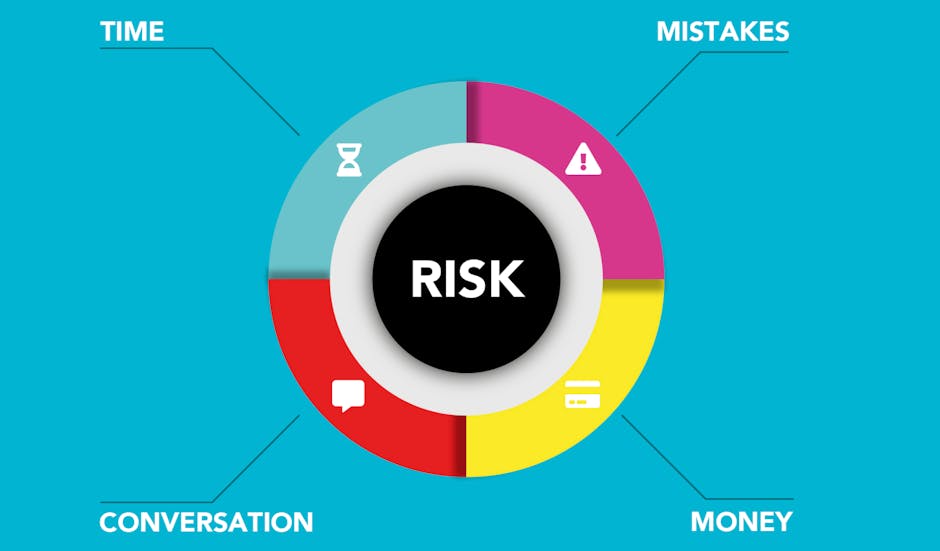
Photo by Monstera Production on Pexels
Banks face various risks:
- Credit Risk: The risk that borrowers won't repay their loans.
- Liquidity Risk: The risk that the bank won't have enough cash to meet withdrawals.
- Interest Rate Risk: The risk that changes in interest rates will negatively impact the bank's profitability.
- Operational Risk: The risk of loss from failed internal processes, people, and systems.
Regulatory bodies (like the FDIC in the US) impose capital requirements, stress tests, and other rules to mitigate these risks and ensure the stability of the banking system.
3. Worked Example
Let's say you deposit $1,000 into a savings account at "First National Bank," earning 0.5% interest annually. The reserve requirement set by the central bank is 10%.
- Your Deposit: First National Bank now has an additional $1,000 in deposits.
- Reserve Requirement: The bank must hold 10% of this, so $100, either in its vault or at the central bank.
- Lendable Funds: The remaining $900 is available for lending.
- Loan: First National Bank lends this $900 to a small business at an interest rate of 6% annually.
- Interest Paid to You: After a year, the bank owes you $1,000 * 0.005 = $5 in interest.
- Interest Earned from Business: The bank earns $900 * 0.06 = $54 in interest from the business.
- Net Interest Income: The bank's gross profit from this specific transaction is $54 (earned) - $5 (paid) = $49.
This simple example illustrates how banks use your deposits to make loans, generating income from the interest rate differential, while only holding a fraction of the initial deposit.
4. Key Takeaways
- Traditional banks are financial intermediaries, connecting savers with borrowers.
- They primarily earn revenue through the net interest margin, the difference between interest earned on loans and interest paid on deposits.
- Fractional reserve banking allows banks to lend out most of your deposits, creating money in the economy.
- Banks manage significant risks, including credit, liquidity, and interest rate risks, under heavy regulation.
- The stability of the banking system is crucial for a healthy economy, hence the strict oversight.
- Central banks play a vital role in influencing interest rates and regulating the banking sector.
- Deposit insurance (like FDIC) protects your deposits up to a certain limit, reducing the risk of bank runs.
5. Now Try It
Imagine you're starting a new community bank. List three types of deposit products you'd offer and three types of loans. For each, briefly explain why you'd offer it, considering both the bank's needs (funding, profit) and the community's needs (saving, borrowing). What would success look like for your bank in its first year, focusing on these products?
Frequently asked about Traditional Banking Systems
Study this next
Get the full Fin 6778 curriculum
Clone the complete plan to your dashboard for unlimited AI-generated notes, practice quizzes, and a personalised revision schedule.
Create Free Account