The Political System of Sweden
From the Inför So curriculum
The Political System of Sweden
TL;DR
Sweden operates as a parliamentary democracy and a constitutional monarchy, meaning its government is accountable to the parliament, and the King serves a ceremonial role. Power is distributed among the Riksdag (parliament), the government (led by the Prime Minister), and local municipalities, ensuring checks and balances. Citizens participate through elections, shaping policies from national to local levels.
1. The Mental Model
Think of Sweden's political system like a well-oiled machine with different parts working together: the people choose who runs the main "engine" (parliament), the parliament then appoints the "drivers" (government), and a "figurehead" (the King) oversees it all without actually driving.
2. The Core Material
Sweden is a parliamentary democracy and a constitutional monarchy. This means its government is formed by the party or coalition that commands the support of the parliament, and the head of state, King Carl XVI Gustaf, has a symbolic role without political power.
The system is built on four fundamental laws:
1. The Instrument of Government (Regeringsformen): This is the most important, outlining how Sweden is governed, citizens' rights, and how elections work. It establishes that all public power comes from the people.
2. The Act of Succession (Successionsordningen): Determines who can inherit the Swedish throne.
3. The Freedom of the Press Act (Tryckfrihetsförordningen): Guarantees freedom of the press and public access to official documents.
4. The Fundamental Law on Freedom of Expression (Yttrandefrihetsgrundlagen): Protects freedom of speech in media like TV, radio, and film.
The Riksdag (Parliament)

Photo by Pixabay on Pexels
The Riksdag is Sweden's national parliament, consisting of 349 members elected every four years. Its main jobs are:
* Legislation: Making and changing laws.
* Government formation: Appointing and overseeing the Prime Minister and government.
* Budgetary power: Deciding on state income and expenditures.
* Control: Scrutinizing the government and public administration.
The Government (Regeringen)
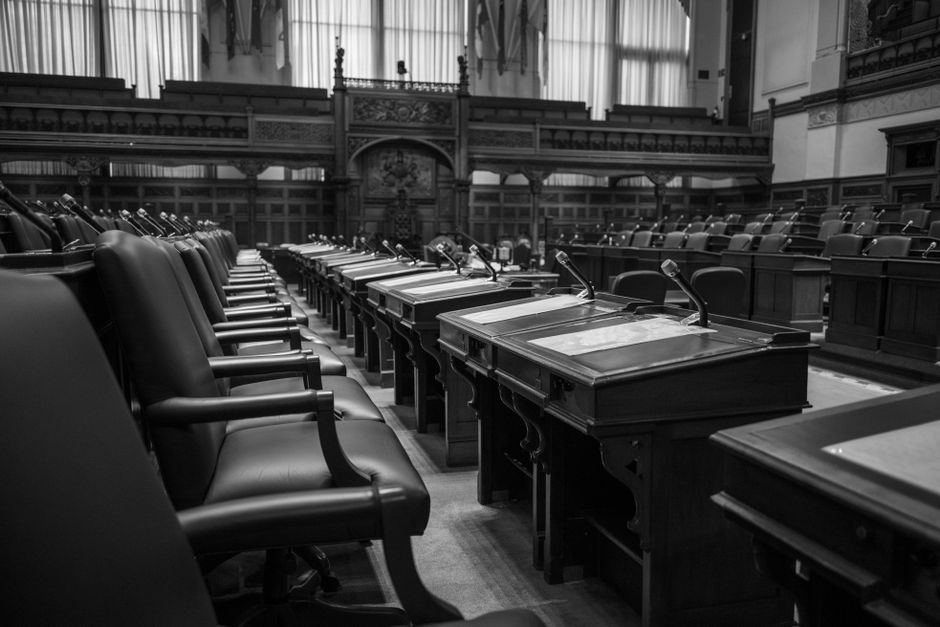
Photo by Héctor Berganza on Pexels
The Government is responsible for implementing the Riksdag's decisions and proposing new laws. It's led by the Prime Minister (Statsminister), who is nominated by the Speaker of the Riksdag and approved by the Riksdag. Ministers head various ministries (e.g., Finance, Education, Foreign Affairs).
Local and Regional Self-Government
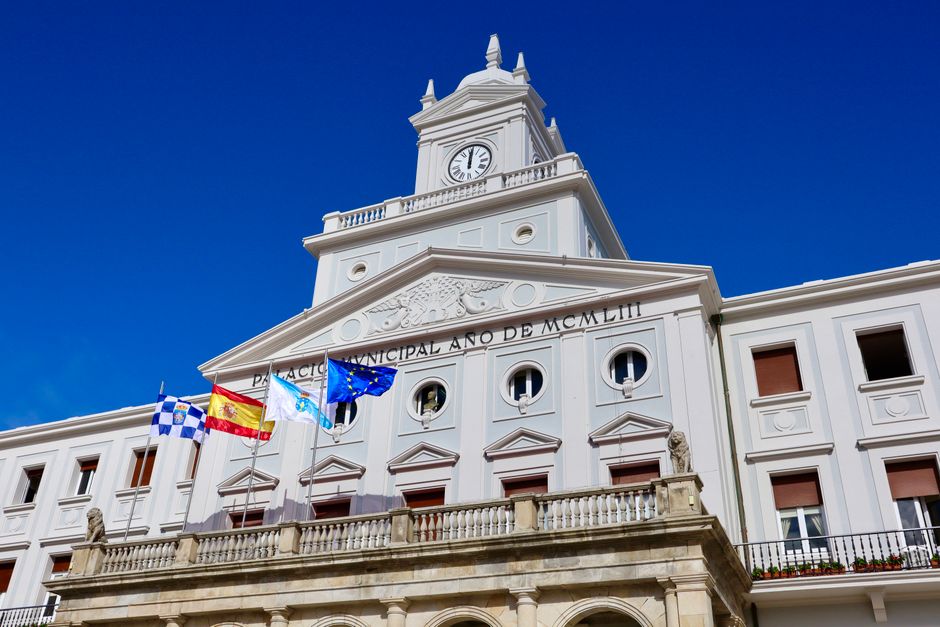
Photo by Ulku KOSDAS on Pexels
Sweden has a strong tradition of local self-government.
* 21 Regions (Regioner): Primarily responsible for healthcare, regional development, and public transport.
* 290 Municipalities (Kommuner): Handle schools, social services, childcare, elder care, and urban planning.
These regional and municipal bodies have their own elected assemblies (regional councils and municipal councils) and the power to levy taxes.
graph TD
    A["The People"] --> B["Elect Riksdag (Parliament)"]
    B --> C["Riksdag (349 members)"]
    C -- "Proposes & Approves PM" --> D["Prime Minister (Statsminister)"]
    D --> E["The Government (Regeringen)"]
    E -- "Implements Laws" --> C
    C -- "Controls & Oversees" --> E
    B --> F["Elect Municipalities (Kommuner)"]
    F --> G["Municipal Councils"]
    G --> H["Local Services (Schools, Social Care)"]
    B --> I["Elect Regions (Regioner)"]
    I --> J["Regional Councils"]
    J --> K["Healthcare, Regional Transport"]
    L["King Carl XVI Gustaf"] -- "Ceremonial Head of State" --> E
Elections
Elections in Sweden are held every four years, on the second Sunday in September. You vote for parties, not individual candidates, in proportional representation. This means parties get seats in the Riksdag, regions, and municipalities roughly in proportion to the votes they receive. To get into the Riksdag, a party generally needs at least 4% of the national vote (the "4-percent barrier").
3. Worked Example
Imagine an election year. You go to the polls and cast your vote for a political party in the Riksdag election, your regional election, and your municipal election. Let's say your preferred party gets 10% of the national vote for the Riksdag. Due to proportional representation, your party would likely receive about 35 seats (10% of 349 seats). If no single party gets a majority, different parties might form a coalition government to reach over 50% of the seats, or a minority government might rule with support agreements from other parties. The Prime Minister leading this new government is then put forward by the Speaker and approved by the Riksdag.
4. Key Takeaways
- Sweden is a parliamentary democracy where the Riksdag is the supreme decision-making body.
- The King is the head of state but has no political power, serving a symbolic role.
- Four fundamental laws form the backbone of Sweden's constitution.
- Power is decentralized, with significant autonomy for regions and municipalities.
- Elections use proportional representation, requiring a 4% threshold for Riksdag entry.
- The government is accountable to the Riksdag, which can remove it through a vote of no confidence.
- Citizens have strong rights, including freedom of the press and expression, protected by fundamental laws.
Common Mistakes to Avoid:
- Confusing the King's ceremonial role with actual political power.
- Underestimating the importance of regional and municipal self-government.
- Forgetting that the Prime Minister is chosen by the Riksdag, not directly by the people.
- Believing a party needs over 50% of the vote to form a government, rather than often forming coalitions.
5. Now Try It
Spend 15 minutes researching the current political parties represented in the Swedish Riksdag. For each of the largest three parties, identify one core policy area they prioritize (e.g., healthcare, environment, economy). Think about how their different priorities might lead to compromises or conflicts in a coalition government.
Frequently asked about The Political System of Sweden
More from Inför So
Get the full Inför So curriculum
Clone the complete plan to your dashboard for unlimited AI-generated notes, practice quizzes, and a personalised revision schedule.
Create Free Account