The State, Government, and Political Systems
From the Political Science curriculum
TL;DR
You'll learn the core definitions of a state, government, and political system, understanding how they're distinct but deeply interconnected. We'll explore different types of political systems and the ideologies that shape them. This knowledge helps you analyze how societies organize power and make decisions.
1. The Mental Model
Think of it like a house: the state is the entire property (boundaries, people, sovereignty). The government is the current occupants and their rules for living there. The political system is the architectural style and how those rules are decided (e.g., a democracy, an autocracy).
2. The Core Material
You often hear "state" and "government" used interchangeably, but they're not the same.
2.1 The State
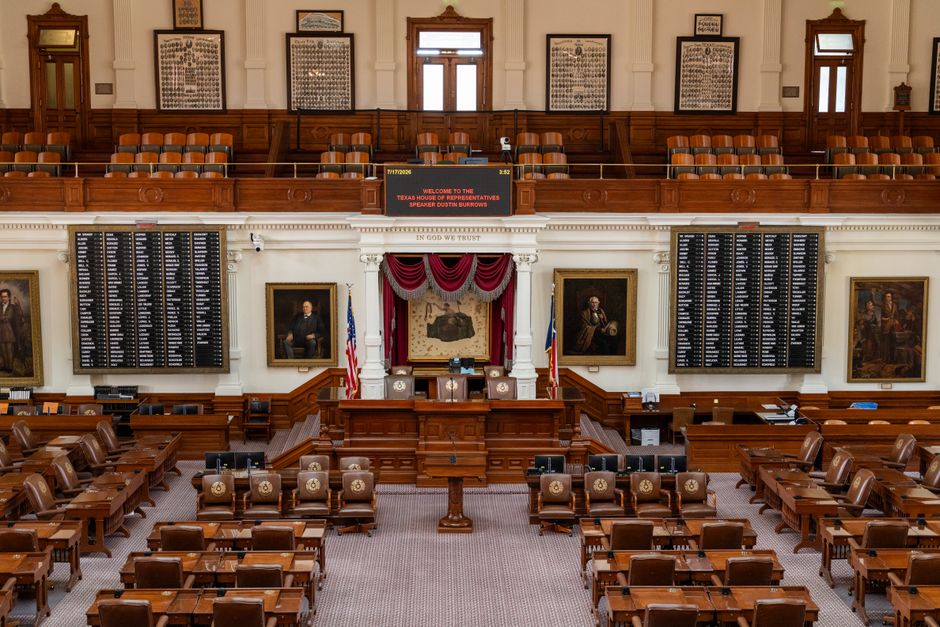
Photo by Brett A on Pexels
A state is a political entity with four key components:
1. Territory: A defined geographic area with recognized borders.
2. Population: A group of people living within that territory.
3. Government: The organization that makes and enforces laws.
4. Sovereignty: The supreme authority within its territory, independent of external control.
Think of it this way: a state is the abstract legal and political entity that persists even as governments change. The United States is a state; its government changes every few years.
2.2 Government
The government is the machinery or people who exercise authority on behalf of the state. It's the practical mechanism through which state power is implemented. Governments have different forms, like monarchies, democracies, or dictatorships. Their primary functions include maintaining order, providing public services, and defending the state.
2.3 Political System

Photo by Tara Winstead on Pexels
A political system describes the pattern of relationships through which power is distributed and exercised within a state. It includes the institutions (like legislatures, courts, executives), the political processes (elections, protests), and the norms and values (like freedom of speech, rule of law) that shape how decisions are made. It's the broader framework that defines how the government operates and who participates.
Here's a simplified breakdown of how these concepts relate:
graph TD
    A["State (The overall entity)"] --> B["Government (The active ruling body)"]
    B --> C["Political System (How power is structured & exercised)"]
    A -- "Provides framework for" --> C
    C -- "Determines form of" --> B
2.4 Types of Political Systems

Photo by Mikhail Nilov on Pexels
Political systems are typically categorized based on who holds power and how that power is exercised:
- Democracy: Rule by the people. Citizens either directly participate in decision-making (direct democracy) or elect representatives to do so (representative democracy/republic). Emphasizes individual rights, rule of law, and free elections.
- Examples: United States, Canada, India.
- Monarchy: Rule by a single individual, typically a king or queen, who inherits power. Can be absolute (ruler has total power) or constitutional (ruler's power is limited by a constitution).
- Examples: Saudi Arabia (absolute), United Kingdom (constitutional).
- Authoritarianism: Power is concentrated in a single leader or a small group, with limited political freedoms and suppression of opposition. Citizens have little to no say in governance.
- Examples: China, Russia (often described as such), North Korea.
- Totalitarianism: An extreme form of authoritarianism where the state exercises total control over all aspects of public and private life, often through a single ruling party, extensive surveillance, and ideological indoctrination.
- Examples: Nazi Germany, Soviet Union under Stalin.
- Oligarchy: Rule by a small group of elites, often based on wealth, military power, or family ties.
- Examples: Historically, ancient Sparta; some argue modern Russia has oligarchic elements.
2.5 Political Ideologies

Photo by Tara Winstead on Pexels
These are sets of beliefs and values that guide how political systems should be organized and what goals they should pursue. They often underpin the type of political system a state adopts.
- Liberalism: Emphasizes individual rights, freedoms, equality, and limited government intervention. Supports democracy.
- Conservatism: Values tradition, order, established institutions, and often less government intervention in the economy but more in social matters.
- Socialism: Advocates for collective or governmental ownership and control of the means of production and distribution of goods, aiming for greater social equality.
- Communism: A more extreme form of socialism, aiming for a classless society with no private property, often achieved through a revolutionary vanguard party.
- Fascism: A far-right, authoritarian ultranationalist political ideology characterized by dictatorial power, forcible suppression of opposition, and strong regimentation of society and the economy.
3. Worked Example
Imagine the country of "Aethelgard."
- The State of Aethelgard: It has clearly defined borders, a population of 50 million people, a governing body, and it's recognized as independent by other nations. This entity, Aethelgard, has existed for centuries.
- The Government of Aethelgard: Currently, it's run by the "Council of Elders" who were recently elected by the populace. They're responsible for collecting taxes, building roads, and maintaining a police force. Before them, there was a King. The government changed, but Aethelgard (the state) remained.
- The Political System of Aethelgard: Aethelgard operates as a constitutional republic. Its citizens vote for representatives, who then form the Council of Elders and a separate judicial branch interprets laws based on a written constitution that guarantees certain rights like free speech and property ownership. This system ensures that power is divided and there are checks and balances. If Aethelgard had a different political system—say, an absolute monarchy—the government might be a king and his appointed ministers, operating without a constitution.
4. Key Takeaways
- The state is a sovereign, territorial entity with a population and government.
- The government is the actual body of people and institutions that govern the state.
- A political system is the comprehensive framework defining how power is structured and exercised within a state.
- Democracies prioritize citizen participation and individual rights through elected representatives.
- Authoritarian and totalitarian systems concentrate power in a single leader or small group, limiting freedoms.
- Political ideologies like liberalism, conservatism, and socialism are belief systems that shape political systems.
- Understanding these terms helps differentiate what a country is, who is running it, and how it's being run.
5. Now Try It
Choose any two countries you're familiar with (e.g., your home country and another). For each, briefly describe its:
1. State: What is its recognized territory and sovereign status?
2. Current Government: Who is currently in power (e.g., President, Prime Minister, ruling party)?
3. Political System: What type of political system does it have (e.g., representative democracy, constitutional monarchy, authoritarian)?
Success looks like clearly distinguishing these three concepts for both countries, showing you understand how they differ even if they seem similar on the surface.
Frequently asked about The State, Government, and Political Systems
Study this next
Get the full Political Science curriculum
Clone the complete plan to your dashboard for unlimited AI-generated notes, practice quizzes, and a personalised revision schedule.
Save this course free