Introduction to World War 2 and its Origins
From the world war 2 curriculum
Introduction to World War 2 and its Origins
TL;DR
World War 2 was a global conflict from 1939-1945, primarily caused by unresolved issues from World War 1, aggressive expansionist policies by certain nations, and the failure of international diplomacy. It involved two major alliances, the Allies and the Axis, leading to widespread destruction and profound geopolitical changes. Understanding its origins helps us grasp the complexities of 20th-century history and the foundations of our modern world.
1. The Mental Model
Think of WW2 not as a sudden event, but as a pressure cooker building up over decades. The steam (tensions) came from past conflicts and economic turmoil, while the lid (international institutions) wasn't strong enough to contain it, eventually leading to an explosion.
2. The Core Material
World War 2 was the deadliest conflict in human history, involving over 30 countries and resulting in an estimated 70-85 million deaths. It reshaped the global political landscape and led to the creation of the United Nations. To understand why it happened, we need to look at several key factors that emerged after World War 1.
The Aftermath of World War 1 (WWI)
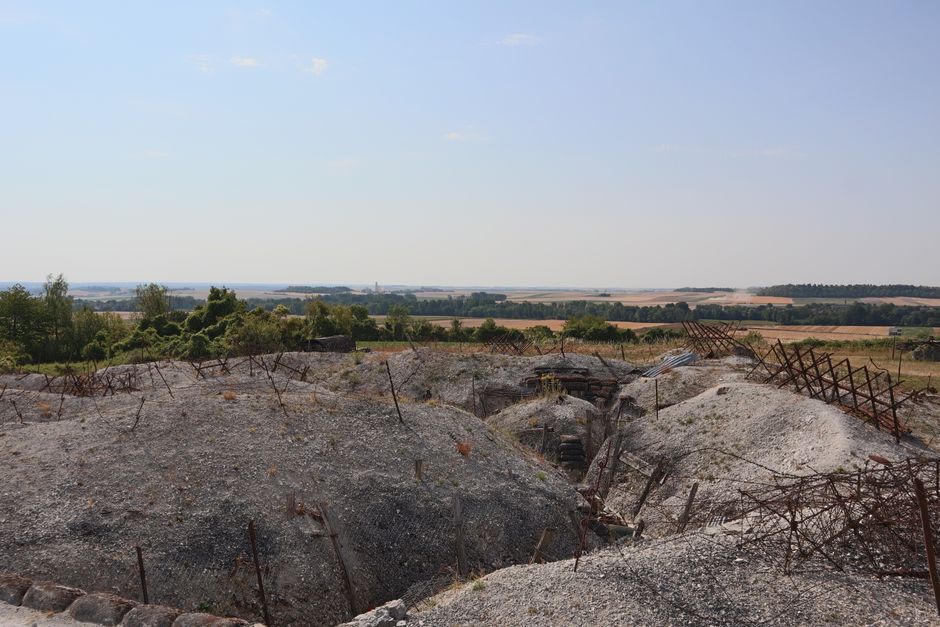
Photo by El Capra on Pexels
WWI (1914-1918) didn't truly end conflicts; it just paused them. The Treaty of Versailles, signed in 1919, officially ended WWI but left Germany feeling humiliated and economically crippled.
- War Guilt Clause (Article 231): Germany was forced to accept full responsibility for starting WWI. This was a source of deep resentment.
- Reparations: Germany had to pay massive sums to the Allied powers, which severely damaged its economy and led to hyperinflation in the 1920s.
- Territorial Losses: Germany lost significant territory and its overseas colonies.
- Military Restrictions: Its army was severely limited, and it wasn't allowed to have an air force or submarines.
The Rise of Totalitarian Regimes

Photo by David Wilson on Pexels
The economic hardships and political instability that followed WWI created fertile ground for extreme ideologies to take root.
- Fascism in Italy: Benito Mussolini rose to power in 1922, promoting a nationalist, authoritarian, and militaristic ideology. He dreamed of restoring the Roman Empire's glory.
- Nazism in Germany: Adolf Hitler and the Nazi Party exploited the widespread resentment over Versailles and the economic depression. Hitler promised to restore German pride, rebuild its economy, and expand its territory (Lebensraum - "living space"). He became Chancellor in 1933 and quickly consolidated power, establishing a brutal dictatorship.
- Militarism in Japan: While not strictly totalitarian in the European sense, Japan's government became increasingly dominated by military leaders who advocated aggressive expansion in Asia to secure resources and establish regional dominance.
Failure of International Diplomacy and Appeasement

Photo by Markus Winkler on Pexels
After WWI, the League of Nations was created to prevent future wars through collective security. However, it proved largely ineffective.
- Lack of Enforcement Power: The League had no standing army and relied on member states to enforce its resolutions, which rarely happened.
- Major Powers Absent: The United States never joined, and other powerful nations (like Germany and Japan) withdrew over time.
- Appeasement: Britain and France, still recovering from WWI and keen to avoid another conflict, adopted a policy of appeasement towards aggressive nations. They hoped that by giving in to some demands, they could prevent a larger war. This was most evident at the Munich Agreement (1938), where Britain and France allowed Germany to annex the Sudetenland region of Czechoslovakia.
Key Aggressive Actions Leading to War

Photo by Markus Winkler on Pexels
These actions slowly chipped away at peace and demonstrated the League's weakness:
- Japan's invasion of Manchuria (1931): Japan seized a resource-rich region of China, defying the League of Nations.
- Italy's invasion of Ethiopia (1935): Mussolini's forces conquered Ethiopia, a clear act of aggression that the League failed to stop.
- Germany's remilitarization of the Rhineland (1936): Hitler defied the Treaty of Versailles by sending troops into the demilitarized Rhineland.
- Spanish Civil War (1936-1939): Germany and Italy supported Francisco Franco's fascists, using the conflict as a testing ground for their new weapons and tactics.
- Anschluss (1938): Germany annexed Austria, again violating the Treaty of Versailles.
- Invasion of Czechoslovakia (1939): Despite the Munich Agreement, Hitler absorbed the rest of Czechoslovakia.
The final straw was Germany's invasion of Poland on September 1, 1939. This led Britain and France to declare war on Germany, officially starting World War 2.
Here's a simplified chain of events:
graph TD
    A["Treaty of Versailles (Harsh terms on Germany)"] --> B["German Resentment & Economic Hardship"]
    B --> C["Rise of Hitler & Nazi Party (Promises of glory & revenge)"]
    C --> D{"Nazi Expansionist Policy (Lebensraum)"}
    subgraph Aggressive Actions
        D --> E["Remilitarization of Rhineland (1936)"]
        D --> F["Anschluss with Austria (1938)"]
        D --> G["Invasion of Czechoslovakia (1939)"]
    end
    H["Failure of League of Nations"] --> I["Appeasement Policy (Britain & France)"]
    J["Japanese Imperialism (e.g., Manchuria 1931)"] --> K["Increased Global Instability"]
    L["Italian Fascism (e.g., Ethiopia 1935)"] --> K
    I --> G
    G --> M["Invasion of Poland (Sept 1, 1939)"]
    M --> N["Britain & France Declare War"]
    N --> O["Start of World War 2"]
3. Worked Example
Let's look at the impact of the Treaty of Versailles and its direct link to Hitler's rise. In 1923, Germany experienced hyperinflation so severe that money became virtually worthless. A loaf of bread could cost billions of marks. This economic collapse, directly fueled by the reparations demanded by the Treaty, devastated the middle class. Hitler skillfully exploited this widespread suffering and anger, campaigning on a platform of rejecting the Treaty, restoring German pride, and fixing the economy. His promises resonated deeply with a population feeling betrayed and impoverished, allowing the Nazi party to gain significant power by the early 1930s.
4. Key Takeaways
- World War 1's unresolved issues, especially the harsh Treaty of Versailles, created deep resentment and instability in Germany.
- The economic hardships of the post-WWI era and the Great Depression fueled the rise of aggressive, totalitarian regimes in Germany, Italy, and Japan.
- These regimes pursued expansionist policies, seeking territory and resources, often through military force.
- The League of Nations proved ineffective in preventing aggression due to a lack of enforcement power and the absence of key nations.
- The policy of appeasement by Britain and France, aiming to avoid war, only encouraged further aggression from Hitler and Mussolini.
- Germany's invasion of Poland in September 1939 was the immediate trigger for Britain and France to declare war, marking the beginning of WW2.
Common Mistakes to Avoid:
- Don't assume WW2 started out of nowhere; it was a culmination of many factors.
- Don't solely blame one country; while Germany was central, the failures of other nations and international bodies played a significant role.
- Avoid thinking appeasement was inherently evil; it was a strategy motivated by a genuine desire to prevent another devastating war, though it ultimately failed.
- Don't overlook the importance of economic conditions in fostering political extremism.
5. Now Try It
Spend 15 minutes researching one specific demand from the Treaty of Versailles (e.g., the War Guilt Clause, specific territorial losses, or the exact amount of reparations). Then, write a short paragraph explaining how that particular demand directly contributed to German resentment and paved the way for the rise of an extremist like Hitler. What success looks like: You can clearly articulate the specific treaty term and draw a plausible, direct line from it to a sentiment or condition that Hitler exploited.
Frequently asked about Introduction to World War 2 and its Origins
Get the full world war 2 curriculum
Clone the complete plan to your dashboard for unlimited AI-generated notes, practice quizzes, and a personalised revision schedule.
Create Free Account