Linguistic Features of World Englishes
From the World Englishes curriculum
TL;DR
World Englishes exhibit diverse linguistic features influenced by geographical, cultural, and social factors. Variations can include phonetics, vocabulary, and syntax. Understanding these features enhances your appreciation of English in different contexts.
1. The Mental Model
World Englishes refers to the various forms of English spoken globally, shaped by local languages and cultures. This means that English varies significantly from one place to another. The features of these varieties can impact communication and understanding among speakers.
2. The Core Material
2.1 Phonetic Features
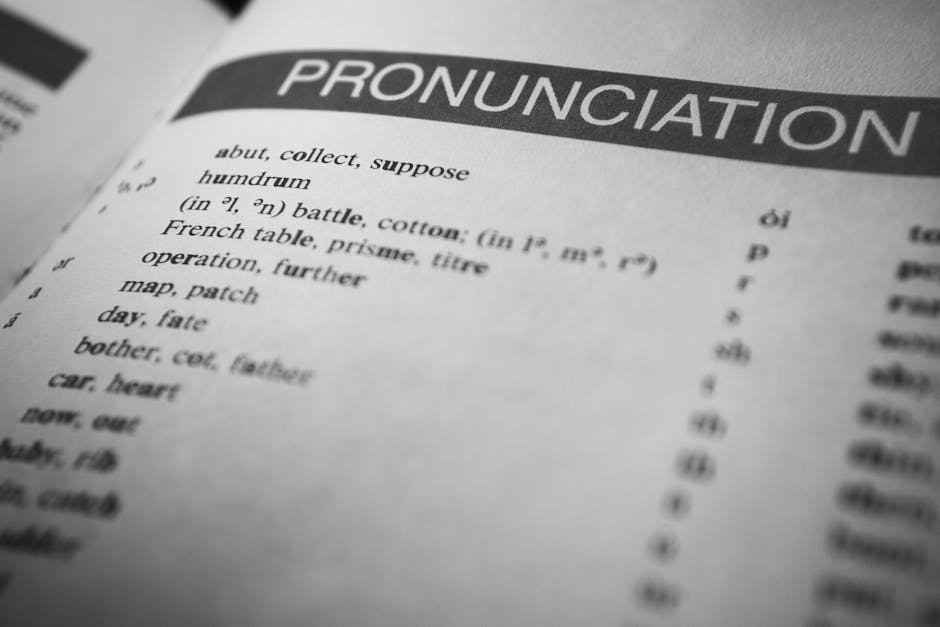
Photo by Nothing Ahead on Pexels
Phonetic variations include differences in pronunciation across regions. For instance, the pronunciation of vowels and consonants can differ greatly.
- In Indian English, the /v/ and /w/ sounds often merge.
- Nigerian English features a different intonation pattern, emphasizing the final syllables of words.
2.2 Vocabulary
Vocabulary differences can arise from local language influences, cultural contexts, and social needs.
- In Australian English, "biscuit" is commonly used instead of "cookie."
- Singlish (Singapore English) incorporates local terms and syntax, such as "lah" or "leh" for emphasis.
2.3 Syntax
Syntax can vary significantly, affecting sentence structure and grammar.
- In African American Vernacular English (AAVE), the use of double negatives is common, e.g., "I ain't got no money."
- In British English, collective nouns may use singular or plural verbs, e.g., "The team is winning" vs. "The team are winning."
2.4 Grammatical Features

Photo by Laura Paredis on Pexels
Different Englishes may use different grammatical constructions.
- Hawaiian Pidgin English uses "stay" for ongoing actions, e.g., "He stay go" means "He is going."
- In Caribbean English, the use of "done" can indicate completion, e.g., "I done finish my homework."
2.5 Discourse Features

Photo by Arturo A on Pexels
Discourse organization can also reflect cultural norms.
- In some cultures, indirect communication is preferred, impacting how ideas are expressed.
- Storytelling in African English often includes metaphors and proverbs, enriching the narrative.
2.6 A Unified Structure

Photo by Ann H on Pexels
Here’s a simple structure summarizing the different linguistic features:
graph TD;
    A["Linguistic Features of World Englishes"] --> B["Phonetic Features"]
    A --> C["Vocabulary"]
    A --> D["Syntax"]
    A --> E["Grammatical Features"]
    A --> F["Discourse Features"]
3. Worked Example
Let's consider the phrase “I ain't got no money” from AAVE:
- Phonetic Feature: The pronunciation of "ain't" is distinct, often sounding softer.
- Grammatical Feature: The use of double negatives reinforces the negation.
- Vocabulary: "Got" is used colloquially rather than standard forms like "have."
- In standard English, you would say: "I don’t have any money."
This showcases how different English varieties communicate the same concept through unique features.
4. Key Takeaways
- World Englishes show rich diversity influenced by culture and location.
- Phonetics, vocabulary, and grammar can vary significantly.
- It's important to be aware of these differences for effective communication.
- No variety is “better” or “worse” than another; they just reflect different identities.
- Understanding these features fosters appreciation and respect for linguistic diversity.
Common Mistakes to Avoid:
- Assuming one English form is standard and others are incorrect.
- Ignoring the cultural context behind linguistic features.
- Overgeneralizing features to all speakers of a variety.
- Using the wrong vocabulary in a local context.
5. Now Try It
Take 15 minutes to explore a piece of literature or media in a specific World English variety (like a poem, song, or story). Identify at least three unique phonetic, vocabulary, or grammatical features. Write down your observations. Success looks like creating a short list of linguistic features and reflecting on how they shape meaning in that variety.
============================================================
MERMAID SYNTAX (if you actually include diagrams)
============================================================
- Wrap any node text with parentheses, brackets or spaces in DOUBLE QUOTES:
A["Some text (with parens)"]
- Use mermaid fences. Use --> arrows, NEVER HTML entities like >.
Frequently asked about Linguistic Features of World Englishes
Study this next
Get the full World Englishes curriculum
Clone the complete plan to your dashboard for unlimited AI-generated notes, practice quizzes, and a personalised revision schedule.
Save this course free