Foundational Principles of Reinforcement
From the Reinforce curriculum
Foundational Principles of Reinforcement
TL;DR
Reinforcement uses consequences to strengthen desired behaviors, making them more likely to happen again. It's about adding something good or taking away something bad right after a behavior occurs. Understanding these principles helps you effectively shape actions in various situations.
1. The Mental Model
Think of reinforcement as a "behavior amplifier." When you want a behavior to occur more often, you follow it immediately with something that makes it feel good or relieves something bad.
2. The Core Material
Reinforcement is a core concept in behavior science, focusing on how consequences influence future behavior. It’s always about increasing the likelihood of a behavior.
What is a Reinforcer?

Photo by RDNE Stock project on Pexels
A reinforcer is anything that, when presented after a behavior, makes that behavior more likely to happen again. What's reinforcing for one person might not be for another; it's defined by its effect on behavior, not its nature.
Types of Reinforcement

Photo by wal_ 172619 on Pexels
There are two main types of reinforcement:
-
Positive Reinforcement: You add something desirable after a behavior, increasing its future likelihood.
- Example: You finish a report on time (behavior), and your boss praises you (add desirable consequence). You're more likely to finish reports on time in the future.
-
Negative Reinforcement: You remove or avoid something undesirable after a behavior, increasing its future likelihood.
- Example: You put on your seatbelt (behavior), and the annoying beeping stops (remove undesirable consequence). You're more likely to put on your seatbelt in the future.
- Example: You study hard for a test (behavior) and avoid failing (avoid undesirable consequence). You're more likely to study hard for future tests.
It's crucial to distinguish negative reinforcement from punishment. Negative reinforcement increases a behavior by removing something bad. Punishment decreases a behavior by adding something bad or removing something good.
graph TD
    A["Behavior Occurs"] --> B{"Consequence Applied"};
    B -- "Adds something good (e.g., praise)" --> C["Positive Reinforcement"];
    B -- "Removes something bad (e.g., stops noise)" --> D["Negative Reinforcement"];
    C --> E["Behavior Increases"];
    D --> E;
Key Principles for Effective Reinforcement
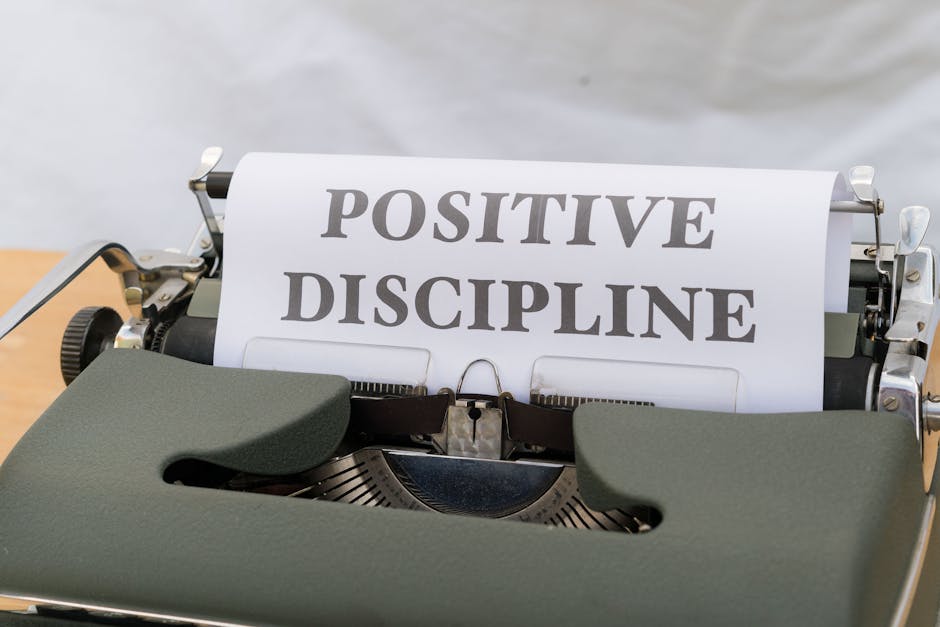
Photo by Markus Winkler on Pexels
- Immediacy: The reinforcer should follow the behavior as quickly as possible. The longer the delay, the less effective it becomes.
- Contingency: The reinforcer must be dependent on the behavior. The behavior must happen for the reinforcer to occur.
- Individualization: What's reinforcing is unique to the individual. You need to find what truly motivates the person.
- Schedules of Reinforcement: How often you deliver reinforcement also matters.
- Continuous Reinforcement: Reinforce every single time the behavior occurs. Great for teaching new behaviors.
- Intermittent Reinforcement: Reinforce sometimes when the behavior occurs. Leads to behaviors that are more resistant to extinction (they last longer even if reinforcement stops). This includes fixed/variable ratio and fixed/variable interval schedules.
3. Worked Example
Let's say you're trying to encourage your younger sibling to clean their room.
- Identify the target behavior: Your sibling puts away all dirty clothes in the hamper.
- Choose a reinforcer: You know your sibling really enjoys playing video games.
- Apply positive reinforcement: The instant your sibling puts their last dirty sock in the hamper (behavior), you immediately say, "Great job! Now you can have 30 minutes of video game time!" (add desirable consequence).
- Observe the result: If your sibling starts putting clothes in the hamper more often, then video game time acted as a positive reinforcer. If not, you'd need to try a different reinforcer or adjust the immediacy/contingency.
Let's consider negative reinforcement in the same scenario:
- Target behavior: Your sibling puts away all dirty clothes in the hamper.
- Undesirable situation: You've been nagging them constantly to clean their room, and they dislike the nagging.
- Apply negative reinforcement: Your sibling puts their last dirty sock in the hamper (behavior). You immediately stop nagging them for the rest of the day (remove undesirable consequence).
- Observe the result: If your sibling starts putting clothes in the hamper more often to avoid your nagging, then the cessation of nagging acted as a negative reinforcer.
4. Key Takeaways
- Reinforcement always aims to increase the future likelihood of a specific behavior.
- Positive reinforcement involves adding something desirable after a behavior.
- Negative reinforcement involves removing or avoiding something undesirable after a behavior.
- For reinforcement to be effective, it must be immediate and directly contingent on the behavior.
- What works as a reinforcer is unique to each individual and situation.
- Continuous reinforcement is best for teaching new behaviors, while intermittent reinforcement strengthens established ones.
Common Mistakes to Avoid:
- Confusing negative reinforcement with punishment; negative reinforcement increases behavior, punishment decreases it.
- Using a consequence that isn't actually reinforcing for the individual.
- Delaying the reinforcer too long after the behavior occurs.
- Reinforcing the wrong behavior by accident.
5. Now Try It
Think about a behavior you want to increase in yourself or someone you interact with regularly (e.g., exercising more, arriving on time, finishing a task). Identify a specific, measurable behavior and then come up with one positive reinforcer and one negative reinforcer that would genuinely motivate that behavior. Explain why you chose each reinforcer and how you'd apply it immediately and contingently.
Frequently asked about Foundational Principles of Reinforcement
Get the full Reinforce curriculum
Clone the complete plan to your dashboard for unlimited AI-generated notes, practice quizzes, and a personalised revision schedule.
Create Free Account