Cardiovascular Disorders: Hypertension
From the ms curriculum
TL;DR
Hypertension, or high blood pressure, means your heart works harder to pump blood, straining your arteries. If left untreated, it significantly increases your risk for serious health issues like heart attack and stroke. Managing it involves lifestyle changes and often medication to protect your long-term health.
1. The Mental Model
Think of your blood vessels like a garden hose. Hypertension is like constantly running water through that hose at very high pressure, which can damage the hose over time. Your heart is the pump, and if it's always pushing against too much resistance, it'll wear out too.
2. The Core Material
Hypertension is defined as consistently high blood pressure (BP). Your BP is measured as two numbers: systolic (the top number, pressure when your heart beats) and diastolic (the bottom number, pressure when your heart rests between beats). Normal BP is generally less than 120/80 mmHg.
There are two main types:
* Primary (Essential) Hypertension: This is the most common type, making up about 90-95% of cases. There's no identifiable cause; it develops gradually over many years, often linked to genetics, age, and lifestyle factors.
* Secondary Hypertension: This type has an identifiable underlying cause, such as kidney disease, thyroid problems, certain medications, or obstructive sleep apnea. Treating the underlying condition can often resolve the hypertension.
Risk Factors:
Many things can increase your risk, including:
* Age (risk increases as you get older)
* Family history
* Obesity or being overweight
* Physical inactivity
* High-sodium diet
* Too much alcohol
* Stress
* Smoking
* Certain chronic conditions (like diabetes or kidney disease)
Why It's Dangerous:
High blood pressure damages your arteries, making them less elastic and more prone to plaque buildup (atherosclerosis). This narrows the vessels, making it even harder for blood to flow, creating a vicious cycle. This damage can lead to:
* Heart attack or heart failure
* Stroke
* Kidney disease or failure
* Vision loss
* Peripheral artery disease
Diagnosis:
Hypertension is often called a "silent killer" because it usually has no symptoms until it's severe. Regular BP checks are crucial. A diagnosis is made after several readings show consistently high numbers (e.g., above 130/80 mmHg, depending on guidelines).
Treatment Goals:
The main goal is to lower your BP to a healthy range (often below 130/80 mmHg for most adults) to prevent complications.
Treatment Strategies
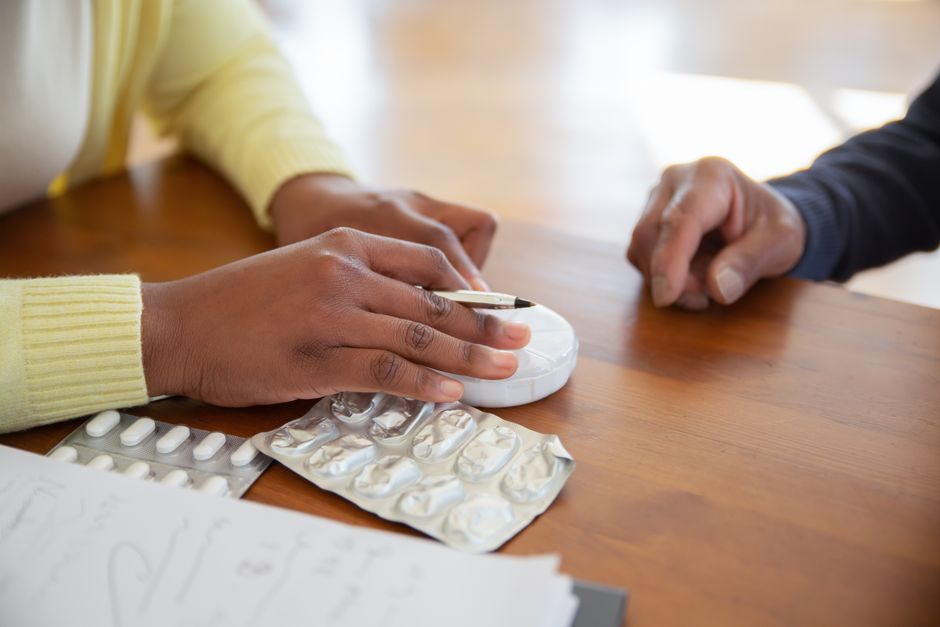
Photo by Kampus Production on Pexels
Treatment typically involves a combination of lifestyle changes and medications.
Lifestyle Modifications (often first-line or alongside meds)
- DASH Diet: Dietary Approaches to Stop Hypertension. Emphasizes fruits, vegetables, whole grains, lean protein, and low-fat dairy, while reducing saturated fat, cholesterol, and sodium.
- Reduce Sodium Intake: Aim for less than 2,300 mg per day, ideally less than 1,500 mg.
- Regular Physical Activity: At least 150 minutes of moderate-intensity aerobic exercise per week.
- Maintain a Healthy Weight: Losing even a small amount of weight can significantly impact BP.
- Limit Alcohol: No more than two drinks per day for men and one for women.
- Quit Smoking: Smoking dramatically raises BP and harms blood vessels.
- Manage Stress: Techniques like meditation or yoga can help.
Medications
When lifestyle changes aren't enough, or for more severe hypertension, doctors prescribe medication. These often target different mechanisms in your body to lower BP:
graph LR
    A["Hypertension (High BP)"] --> B["Increased Cardiac Workload"]
    A --> C["Arterial Damage (Atherosclerosis)"]

    B --> D["Heart Failure"]
    C --> E["Heart Attack"]
    C --> F["Stroke"]
    C --> G["Kidney Disease"]
    C --> H["Vision Loss"]

    F --> I["Disability or Death"]
    E --> I
    D --> I
    G --> I
3. Worked Example
Let's say you're a 55-year-old who goes for a routine check-up. Your blood pressure has been consistently reading 145/92 mmHg over several visits, and you're not on any medications. Your doctor notes you're slightly overweight and have a family history of heart disease.
The first step would likely be a discussion about lifestyle changes. You might be advised to:
1. Start the DASH diet: Focus on adding more vegetables, fruits, and whole grains, and cutting down on processed foods high in sodium.
2. Increase physical activity: Aim for 30 minutes of brisk walking most days of the week.
3. Monitor sodium intake: Start reading food labels and aiming for less than 2300mg of sodium daily.
4. Lose some weight: Even a 5-10% reduction in body weight can make a difference.
After 3-6 months, your BP is re-checked. If it's still consistently high (e.g., 138/88 mmHg), your doctor might then consider adding a single medication, like a thiazide diuretic, to help lower it further, while still encouraging you to continue with the lifestyle modifications. The goal is to get your BP below 130/80 mmHg.
4. Key Takeaways
- Hypertension is consistently high blood pressure, typically 130/80 mmHg or higher.
- It often has no symptoms ("silent killer") until complications arise, making regular checks vital.
- Primary hypertension has no identifiable cause, while secondary hypertension is due to an underlying condition.
- Untreated hypertension significantly increases your risk for heart attack, stroke, kidney failure, and other serious issues.
- Lifestyle changes (DASH diet, exercise, low sodium, weight management) are crucial for prevention and management.
- Medications are often needed in addition to lifestyle changes to control blood pressure effectively.
- Your treatment goal is usually to get your blood pressure below 130/80 mmHg.
Common mistakes to avoid:
- Ignoring high readings: Don't dismiss a single high reading; follow up with your doctor.
- Stopping medication: Never stop prescribed blood pressure medication without your doctor's guidance, even if you feel fine.
- Assuming no symptoms means no problem: Hypertension is often asymptomatic until severe damage occurs.
- Over-relying solely on medication: Lifestyle changes are a critical part of managing hypertension and often reduce the need for higher doses or multiple drugs.
5. Now Try It
For the next week, actively track your sodium intake from all food and drinks. Read food labels carefully and estimate sodium from restaurant meals. At the end of the week, calculate your average daily sodium intake. Based on this, identify three specific, realistic changes you could make to lower your intake closer to the recommended <2300 mg (or even <1500 mg) guideline. Success looks like having a clear plan for actionable dietary adjustments.
Frequently asked about Cardiovascular Disorders: Hypertension
Study this next
Get the full ms curriculum
Clone the complete plan to your dashboard for unlimited AI-generated notes, practice quizzes, and a personalised revision schedule.
Save this course free