Specific Torts Affecting Property
From the Tort curriculum
TL;DR
Property torts protect your rights to land and goods from interference by others. These include trespass to land, nuisance, trespass to goods, and conversion. Understanding these torts helps you identify when your property rights have been violated and what legal actions you can take.
1. The Mental Model
Think of property torts as legal fences protecting your stuff. If someone crosses that fence onto your land without permission, or messes with your belongings, you might have a claim. These rules define how you can enjoy your property without unreasonable interference and what happens when someone else messes that up.
2. The Core Material
When we talk about property torts, we're mainly looking at two types of property: land (real property) and goods (personal property). Each has specific torts designed to protect it.
Trespass to Land

Photo by Marek Piwnicki on Pexels
This occurs when someone directly and intentionally interferes with your exclusive possession of land. It's about being on, or causing something to be on, someone else's land without permission.
- Direct and Intentional Interference: The act causing the trespass must be direct and deliberate. You don't need to intend to trespass, only to perform the act that causes the presence on the land. For example, if you mistakenly believe land is yours but walk on it, that's still trespass.
- Exclusive Possession: You need to have exclusive possession of the land. This means occupiers, tenants, and owners can sue.
- No Actual Damage Needed: You don't need to prove you suffered harm. The mere act of trespass is actionable.
Nuisance (Private Nuisance)

Photo by Renee B on Pexels
Nuisance is about indirect and unreasonable interference with your enjoyment of land. Unlike trespass, it's not about being on the land, but about something happening off the land that negatively impacts your use and enjoyment of your land.
- Indirect Interference: The harm comes from an activity on someone else's land (e.g., noise, smells, vibrations, pollution).
- Unreasonable Interference: This is key. The interference must be substantial and unreasonable. Courts consider factors like the severity, duration, location, and sensitivity of the claimant. A reasonable person's perspective is used.
- Actual Damage or Interference with Enjoyment: You usually need to show actual damage to your property or a significant impact on your ability to use and enjoy it.
Trespass to Goods (Trespass to Chattels)
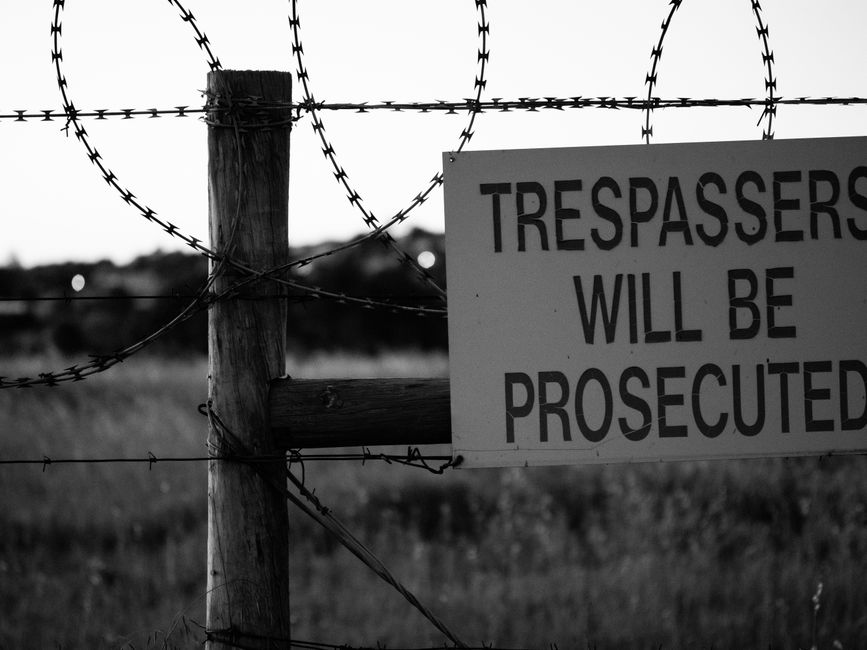
Photo by Ryan Lansdown on Pexels
This tort protects your immediate right to possession of goods from direct and intentional interference. Think of it as directly touching, moving, or damaging someone else's property without permission.
- Direct and Intentional Act: Similar to trespass to land, the interference must be direct and intentional. Accidentally knocking over a vase isn't trespass if it wasn't intentional.
- Interference with Possession: You need to be in possession or have an immediate right to possession. This means if your friend lends you their laptop, you can sue someone who messes with it.
- No Actual Damage Needed: Like trespass to land, it's actionable even if no harm is done. The mere interference is enough.
Conversion
Conversion is a more serious tort against goods. It occurs when someone deals with your goods in a way that is inconsistent with your ownership or right to possession, effectively treating them as their own. It's like a forced sale of your goods to the wrongdoer.
- Inconsistent with True Owner's Rights: The defendant's act denies your right to the goods. Examples include selling them, destroying them, or substantially altering them.
- Requires Intention: The defendant must intend to perform the act that constitutes the conversion, even if they don't know the goods belong to someone else.
- Damage is Assumed/Required: Often, the remedy is the full market value of the goods, implying a total loss.
graph TD
    A["Property Torts (Interference with Rights)"] --> B["Land (Real Property)"]
    A --> C["Goods (Personal Property)"]

    B --> D["Trespass to Land"]
    B --> E["Nuisance (Private)"]

    C --> F["Trespass to Goods"]
    C --> G["Conversion"]

    D --"Direct, Intentional, no damage needed"--> H["Example: Walking onto someone's yard without permission"]
    E --"Indirect, Unreasonable, affects enjoyment"--> I["Example: Loud music from neighbour's property constantly"]

    F --"Direct, Intentional, no damage needed"--> J["Example: Kicking someone's ball without permission"]
    G --"Inconsistent with owner's rights, assumes full value"--> K["Example: Selling someone else's car"]
3. Worked Example
Imagine you own a small plot of land next to a construction site.
-
Scenario A (Trespass to Land): During construction, a worker accidentally drives a bulldozer a few feet onto your undeveloped land. No damage is done, just tire tracks.
- Analysis: This is a direct and intentional act (driving the bulldozer) that results in interference with your exclusive possession of your land. Even though it was accidental (they didn't mean to trespass, but they meant to drive the bulldozer there) and no damage occurred, it's still trespass to land. You could sue for nominal damages or an injunction to prevent further trespass.
-
Scenario B (Nuisance): The construction site operates 24/7, causing extremely loud noise and vibrations that shake your house, making it impossible to sleep and causing cracks in your plaster.
- Analysis: This is an indirect interference (noise/vibrations from their property affecting yours) that is substantial and unreasonable (24/7 noise, structural damage). This would likely be private nuisance. You could seek damages for the impact on your enjoyment and for repairs, plus an injunction to limit their operating hours or require noise mitigation.
4. Key Takeaways
- Trespass to land involves direct, intentional interference with exclusive possession of land, even if no damage occurs.
- Private nuisance is about indirect, unreasonable interference with your use and enjoyment of land, usually requiring actual impact.
- Trespass to goods protects your immediate right to possession from direct, intentional interference, without needing proof of damage.
- Conversion is a more severe tort where someone deals with your goods in a way that denies your ownership, often leading to full market value compensation.
-
The intention required for these torts is usually the intention to perform the act, not necessarily the intention to cause harm or trespass.
-
Avoid: Confusing trespass (direct interference) with nuisance (indirect interference).
- Avoid: Assuming you need to prove financial damage for trespass to land or goods; the interference itself is often enough.
- Avoid: Thinking "accident" always absolves liability; the act causing the interference just needs to be intentional.
- Avoid: Underestimating the difference between taking something (trespass to goods) and permanently treating it as your own (conversion).
5. Now Try It
You own a valuable antique watch. Your friend borrows it for a party. While at the party, a stranger snatches the watch from your friend's wrist and runs off. Your friend chases them, retrieves the watch, but it's scratched.
Identify which torts might apply to the stranger's actions and why, focusing on the elements discussed. What would be the most appropriate tort to sue for the scratch? What if the stranger had simply run off with the watch and it was never recovered?
Frequently asked about Specific Torts Affecting Property
More from Tort
Get the full Tort curriculum
Clone the complete plan to your dashboard for unlimited AI-generated notes, practice quizzes, and a personalised revision schedule.
Save this course free