Negligence
From the Tort curriculum
TL;DR
Negligence occurs when someone owes you a duty of care, breaches that duty, and you suffer harm as a direct result. You need to prove all three parts to successfully claim negligence. The law focuses on whether a reasonable person would have acted differently in the same situation.
1. The Mental Model
Think of negligence as a chain with three essential links. If any link is missing or broken, the claim falls apart. It's about accountability for carelessness that causes harm.
2. The Core Material
Negligence is a tort (a civil wrong) that involves causing harm to another person due to a failure to exercise reasonable care. To prove negligence, you must establish three main elements:
2.1. Duty of Care

Photo by Mikhail Nilov on Pexels
This is the legal obligation to avoid causing harm to others. The classic test for whether a duty of care exists comes from the case of Donoghue v Stevenson. It introduced the "neighbour principle": you must take reasonable care to avoid acts or omissions which you can reasonably foresee would be likely to injure your neighbour. Your "neighbour" in law means persons who are so closely and directly affected by your act that you ought reasonably to have them in contemplation as being so affected when you are directing your mind to the acts or omissions which are called in question.
Today, courts often use a three-part test (from Caparo Industries plc v Dickman):
1. Foreseeability: Was harm to the claimant reasonably foreseeable?
2. Proximity: Was there a sufficiently close relationship between the claimant and the defendant?
3. Fair, Just, and Reasonable: Is it fair, just, and reasonable to impose a duty of care in this situation?
2.2. Breach of Duty

Photo by Ron Lach on Pexels
Once a duty of care is established, you must show that the defendant breached it. This means they fell below the standard of care expected of a "reasonable person." The "reasonable person" isn't perfect; they're an ordinary person of normal intelligence acting prudently.
The court considers several factors when determining if there was a breach:
* Probability of harm: How likely was injury? (e.g., throwing a ball in a park vs. a crowded street).
* Gravity of the apprehended harm: How serious would the injury be? (e.g., a minor cut vs. brain damage).
* Cost of taking precautions: How difficult or expensive would it have been to prevent the harm?
* Social utility of the defendant's conduct: Was there a public benefit to the defendant's actions? (e.g., an ambulance rushing to an emergency might take risks).
2.3. Causation and Damages
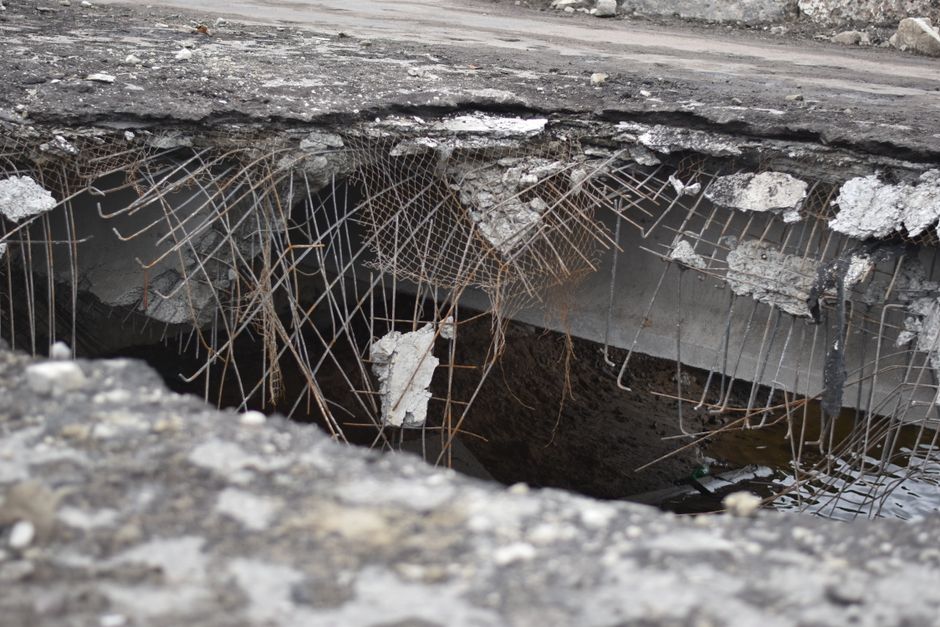
Photo by Serhii Bondarchuk on Pexels
Finally, you must prove that the defendant's breach caused your damages, and that those damages aren't too remote.
- Factual Causation ("But For" Test): Would the harm have occurred "but for" the defendant's breach? If the answer is no (meaning the harm wouldn't have happened without the breach), then factual causation is established.
- Legal Causation (Remoteness): Even if the breach factually caused the harm, the harm must not be too remote. The general rule (from The Wagon Mound) is that the type of harm suffered must be a reasonably foreseeable consequence of the defendant's breach. You don't need to foresee the exact way the harm occurs or its full extent, just the type of harm.
- Damages: You must have suffered actual harm or loss (e.g., physical injury, property damage, financial loss). "No damage, no negligence."
graph TD
    A["Plaintiff suffered harm/damage?"] -->|Yes| B["Duty of Care owed?"];
    B -->|No| F["No Negligence"];
    B -->|Yes| C["Breach of Duty?"];
    C -->|No| F;
    C -->|Yes| D["Factual Causation ('But For' test)?"];
    D -->|No| F;
    D -->|Yes| E["Legal Causation (Remoteness - foreseeable type of harm)?"];
    E -->|No| F;
    E -->|Yes| G["Defendant is liable for Negligence"];
3. Worked Example
Let's say you're walking in a supermarket, and there's a spill of olive oil on the floor. The store manager knows about it but is busy and decides to clean it up "in a minute." You then slip on the oil, fall, and break your arm.
- Duty of Care: The supermarket (through its manager) owes a duty of care to its customers to keep the premises reasonably safe. It's foreseeable that a spill could cause a customer to slip and get injured.
- Breach of Duty: The manager, knowing about the spill, failed to promptly clean it or put up warning signs. A "reasonable supermarket manager" would have immediately addressed the hazard, especially given the high probability and potential gravity of harm. This constitutes a breach of their duty.
- Causation and Damages:
- Factual Causation: "But for" the manager's failure to clean the spill, you wouldn't have slipped and broken your arm.
- Legal Causation: Breaking your arm from slipping on a liquid spill in a supermarket is a reasonably foreseeable type of harm.
- Damages: You suffered physical injury (broken arm), medical expenses, and potential loss of earnings.
Therefore, the supermarket would likely be found negligent and liable for your damages.
4. Key Takeaways
- Negligence requires proving a duty of care, a breach of that duty, and resulting damages that aren't too remote.
- The "reasonable person" standard is central to determining if a duty has been breached.
- The "neighbour principle" helps define to whom a duty of care is owed.
- Both factual ("but for") and legal (remoteness/foreseeability) causation must be established.
- You must suffer actual, recognised harm for a negligence claim to succeed.
Common Mistakes to Avoid:

Photo by KATRIN BOLOVTSOVA on Pexels
- Assuming a duty of care always exists; you need to establish it.
- Confusing the standard of care with perfect care; it's about reasonable care.
- Forgetting to prove both factual and legal causation.
- Claiming negligence without actual, demonstrable harm or loss.
5. Now Try It
Imagine you're driving a car and you briefly look at your phone to check a notification. While distracted, you swerve slightly and hit a parked car, causing significant damage. Identify the three elements of negligence (duty, breach, causation/damages) in this scenario, explaining why each is met.
Success looks like clearly articulating how your actions satisfy each of the three core elements required to establish negligence.
Frequently asked about Negligence
More from Tort
Get the full Tort curriculum
Clone the complete plan to your dashboard for unlimited AI-generated notes, practice quizzes, and a personalised revision schedule.
Save this course free