Control of Hormone Secretion
From the Endocrine System curriculum
TL;DR
Your body carefully controls hormone levels to maintain balance through feedback loops, especially negative feedback. Glands release hormones in response to other hormones, nerve signals, or changes in blood chemistry. This intricate system ensures your body functions smoothly.
1. The Mental Model
Think of hormone control like a thermostat for your body. When levels get too high or too low, a signal is sent to adjust production, bringing everything back to the ideal range. It's all about keeping things steady.
2. The Core Material
Your endocrine system relies on precise control mechanisms to keep hormone levels within a healthy range. Without this control, you'd have too much or too little of essential substances, leading to serious health issues. There are three main ways hormone secretion is regulated: humoral, neural, and hormonal stimuli.
2.1 Humoral Stimuli

Photo by Nataliya Vaitkevich on Pexels
"Humoral" refers to bodily fluids, like blood. This type of control involves changes in the levels of ions or nutrients in your blood or other bodily fluids directly stimulating a gland to secrete or stop secreting a hormone. It's a direct response to the chemical environment.
For instance, when your blood glucose (sugar) levels rise after a meal, your pancreas detects this and releases insulin to lower it. Conversely, when blood glucose drops, the pancreas releases glucagon to raise it.
2.2 Neural Stimuli
Photo by Nataliya Vaitkevich on Pexels
Sometimes, your nervous system directly stimulates endocrine glands to release hormones. This is typically for quick, "fight-or-flight" responses.
A classic example is when you're stressed or scared. Your sympathetic nervous system sends nerve impulses directly to your adrenal medulla, which then releases epinephrine (adrenaline) and norepinephrine. This prepares your body for immediate action.
2.3 Hormonal Stimuli
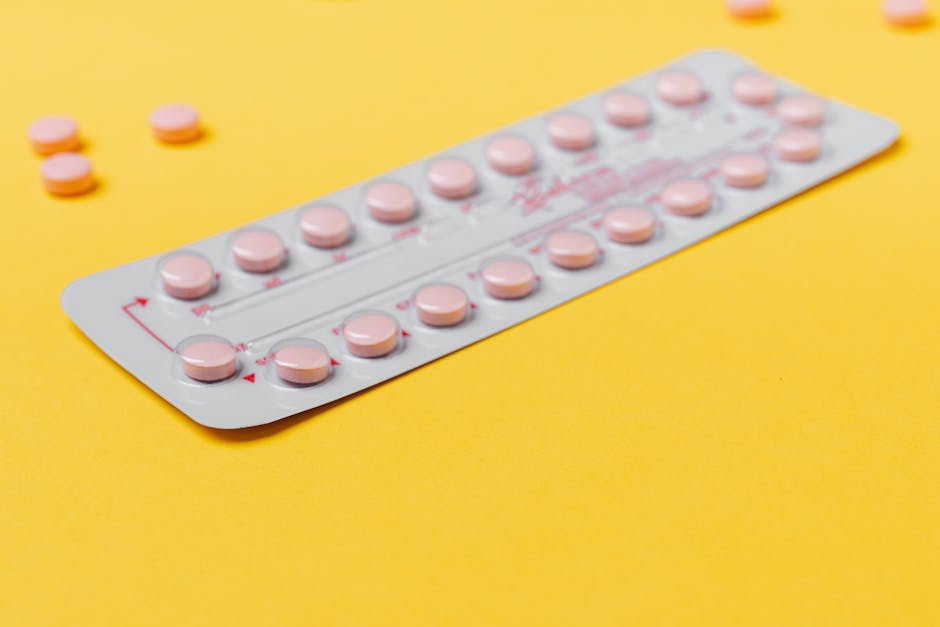
Photo by https://kaboompics.com/ on Pexels
The most common method of hormone control involves one hormone stimulating another endocrine gland to secrete its hormones. This creates a cascade effect, often starting with the hypothalamus and pituitary gland.
The hypothalamus in your brain produces "releasing" and "inhibiting" hormones. These hormones travel to the anterior pituitary gland, which then releases or stops releasing its own "tropic" hormones. These tropic hormones then travel through your bloodstream to stimulate other specific endocrine glands (like the thyroid, adrenal cortex, or gonads) to produce their hormones.
This often forms a negative feedback loop, which is the primary way hormone levels are kept in check.
graph TD
    A["Stimulus (e.g., low thyroid hormones)"] --> B["Hypothalamus"]
    B --> C["Thyrotropin-Releasing Hormone (TRH)"]
    C --> D["Anterior Pituitary"]
    D --> E["Thyroid-Stimulating Hormone (TSH)"]
    E --> F["Thyroid Gland"]
    F --> G["Thyroid Hormones (e.g., T3, T4)"]
    G --> H["Target Cells (increased metabolism)"]

    G --"High levels inhibit"--> B
    G --"High levels inhibit"--> D
In this diagram:
1. A stimulus (like low thyroid hormone levels) signals the hypothalamus.
2. The hypothalamus releases TRH.
3. TRH stimulates the anterior pituitary.
4. The anterior pituitary releases TSH.
5. TSH stimulates the thyroid gland.
6. The thyroid gland releases thyroid hormones.
7. Thyroid hormones act on target cells.
8. Crucially, high levels of thyroid hormones then "feed back" to inhibit both the hypothalamus and the anterior pituitary, reducing the release of TRH and TSH. This prevents overproduction, bringing levels back down.
Positive feedback loops are much rarer in the endocrine system. They amplify the original stimulus, leading to an accelerated response. A good example is during childbirth, where oxytocin release causes uterine contractions, which in turn cause more oxytocin release, intensifying contractions until the baby is born.
3. Worked Example
Let's look at blood calcium regulation as an example of humoral control.
Imagine you haven't consumed enough calcium for a while, and your blood calcium levels start to drop below the healthy set point (around 9-11 mg/100ml).
- Stimulus: Low blood calcium levels are detected by the parathyroid glands in your neck.
- Endocrine Gland: The parathyroid glands directly respond to this change.
- Hormone Release: They release Parathyroid Hormone (PTH) into your bloodstream.
- Target Organs: PTH acts on several places:
- Bones: It stimulates osteoclasts (bone-resorbing cells) to break down bone matrix, releasing calcium into the blood.
- Kidneys: It tells your kidneys to reabsorb more calcium from the urine back into the blood, and to excrete less. It also activates Vitamin D, which is needed for calcium absorption.
- Intestines: Activated Vitamin D helps your intestines absorb more calcium from the food you eat.
- Effect: All these actions work to increase your blood calcium levels.
- Negative Feedback: As blood calcium levels rise back to normal, the parathyroid glands sense this change and reduce their release of PTH. This prevents calcium levels from getting too high.
4. Key Takeaways
- Hormone secretion is controlled by three main mechanisms: humoral (blood chemistry), neural (nerve signals), and hormonal (other hormones).
- Negative feedback is the most common and crucial way hormone levels are kept stable, preventing over- or under-production.
- The hypothalamus and pituitary gland often act as the "master controllers" in many hormonal feedback loops.
- Humoral control involves endocrine glands directly sensing and responding to changes in blood ion or nutrient concentrations.
- Neural control provides rapid hormone release, especially during stress or emergencies.
- Positive feedback loops are rare but amplify a response, like during childbirth.
-
Disruptions in these control mechanisms can lead to endocrine disorders.
-
Common Mistakes to Avoid:
- Confusing negative feedback with simply "stopping" hormone release; it's about reducing release when levels are sufficient.
- Thinking all hormones are controlled in the exact same way; the specific stimuli vary.
- Forgetting the role of the hypothalamus and pituitary in hormonal cascade pathways.
- Underestimating the importance of feedback loops for overall body homeostasis.
5. Now Try It
Imagine you've just run a marathon. Your body is under significant stress. Think about how your adrenal glands might be stimulated to release hormones in this situation. Which type of stimulus (humoral, neural, or hormonal) would primarily be at play here, and what hormones would likely be released to help you cope? What would be the short-term effects of these hormones? Spend about 15 minutes outlining the pathway.
What success looks like: You've identified the primary stimulus type, named at least one hormone and its gland, and described one immediate effect of that hormone in the context of marathon-induced stress.
Frequently asked about Control of Hormone Secretion
More from Endocrine System
Get the full Endocrine System curriculum
Clone the complete plan to your dashboard for unlimited AI-generated notes, practice quizzes, and a personalised revision schedule.
Save this course free