Functions of the Endocrine System
From the Endocrine System curriculum
TL;DR
The endocrine system uses chemical messengers called hormones to regulate nearly every bodily process. It's your body's slow-acting communication system, controlling things like growth, metabolism, and reproduction. Hormones travel through your bloodstream, affecting specific target cells with appropriate receptors.
1. The Mental Model
Think of your endocrine system as a broadcast radio station for your body. Glands are the broadcasters, sending out specific "radio waves" (hormones) into the bloodstream. Only the radios tuned to that specific frequency (target cells with receptors) can pick up the message and respond.
2. The Core Material
Your endocrine system is a collection of glands that produce and secrete hormones directly into your bloodstream. These hormones then travel to target cells throughout your body, telling them what to do. Unlike your nervous system, which uses electrical signals for quick responses, the endocrine system's hormonal messages are slower but have longer-lasting effects.
Here's a breakdown of its main roles:
a. Regulating Metabolism

Photo by doTERRA International, LLC on Pexels
This is a big one. Hormones like insulin and glucagon (from the pancreas) manage your blood sugar levels, ensuring your cells have enough energy. Thyroid hormones control your metabolic rate, influencing how quickly your body uses energy. Without proper metabolic regulation, you'd have trouble maintaining energy, body temperature, and even cell function.
b. Growth and Development
Photo by Bluehouseskis on Pexels
From childhood to adulthood, hormones are critical for growth. Growth hormone (from the pituitary gland) stimulates bone and tissue growth. Sex hormones (estrogen, testosterone) are responsible for the development of secondary sexual characteristics during puberty and play roles in overall body composition.
c. Reproduction
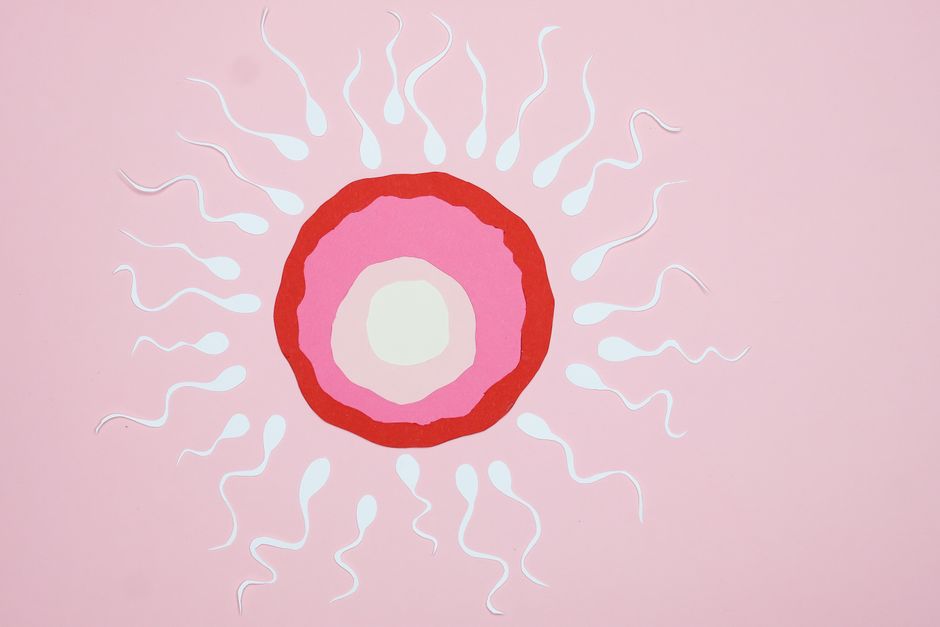
Photo by Nadezhda Moryak on Pexels
The endocrine system is absolutely central to reproduction. Hormones control the menstrual cycle in females, sperm production in males, and are essential for pregnancy and childbirth. For example, luteinizing hormone (LH) and follicle-stimulating hormone (FSH) from the pituitary gland are key players in reproductive processes.
d. Maintaining Homeostasis

Photo by RF._.studio _ on Pexels
Homeostasis is your body's ability to maintain a stable internal environment. The endocrine system plays a huge part in this. For instance, antidiuretic hormone (ADH) regulates water balance, parathyroid hormone controls calcium levels, and cortisol helps you respond to stress. It's all about keeping things just right.
e. Response to Stress and Injury
When you face stress (physical or emotional), your adrenal glands kick in, releasing hormones like adrenaline (epinephrine) and cortisol. Adrenaline gives you that "fight or flight" response, increasing heart rate and energy. Cortisol helps manage inflammation and blood sugar during stressful times.
graph TD
    A["Endocrine Gland (e.g., Pancreas)"] --> B{"Secretes Hormone (e.g., Insulin)"}
    B --> C["Hormone travels via Bloodstream"]
    C --> D{"Reaches Target Cell"}
    D --> E{("Target Cell has Specific Receptor")}
    E -- "If Receptor Present" --> F["Hormone Binds to Receptor"]
    F --> G["Initiates Cellular Response (e.g., Glucose Uptake)"]
    E -- "If No Receptor" --> H["No Cellular Response"]
3. Worked Example
Let's trace how your body handles high blood sugar after you eat a sugary snack.
- Stimulus: You eat a donut. Your blood glucose levels rise.
- Sensor/Integrator: Your pancreas (specifically, the beta cells in the islets of Langerhans) detects this rise in blood sugar.
- Hormone Release: The pancreas releases the hormone insulin into your bloodstream.
- Transport: Insulin travels through your blood to various target cells, especially muscle, fat, and liver cells.
- Target Cell Response: These target cells have insulin receptors. When insulin binds to these receptors, it signals the cells to take up glucose from the blood. For example, muscle cells absorb glucose for energy or storage, and liver cells convert glucose into glycogen for storage.
- Effect: Blood glucose levels decrease, returning to a normal range. This negative feedback loop ensures your blood sugar doesn't stay too high.
4. Key Takeaways
- The endocrine system uses hormones, chemical messengers, to control long-term bodily functions.
- Hormones are secreted by glands directly into the bloodstream and travel to distant target cells.
- Each hormone has specific target cells that possess unique receptors to bind it.
- This system is crucial for regulating metabolism, growth, reproduction, and maintaining internal balance (homeostasis).
- The endocrine system helps your body respond to stress by releasing hormones like adrenaline and cortisol.
Common mistakes you should avoid:
- Confusing the endocrine system's slow, widespread actions with the nervous system's fast, localized signals.
- Thinking hormones just "go everywhere" and affect everything; they only affect cells with the right receptors.
- Forgetting that the amount of hormone matters – too much or too little can cause problems.
- Believing hormones only affect one specific process; many hormones have multiple effects.
5. Now Try It
Imagine you've just run a mile. Your body needs to quickly mobilize energy stores. Think about what hormones might be involved and what glands would release them.
What to do:
1. Identify at least two hormones that would be released during vigorous exercise.
2. Name the glands that would release each of these hormones.
3. Briefly describe one key action each hormone would perform to help your body cope with the exercise.
What success looks like: You can correctly identify hormones like adrenaline and glucagon, link them to the adrenal glands and pancreas respectively, and describe their roles in providing energy or preparing the body for action.
Frequently asked about Functions of the Endocrine System
More from Endocrine System
Get the full Endocrine System curriculum
Clone the complete plan to your dashboard for unlimited AI-generated notes, practice quizzes, and a personalised revision schedule.
Save this course free