Introduction to WHMIS and Pictograms
From the Science curriculum
Introduction to WHMIS and Pictograms
TL;DR
WHMIS is a system that uses labels and safety data sheets to give you important information about hazardous products. Pictograms are simple pictures on these labels that quickly show you the main type of danger a product presents. Understanding WHMIS helps you work safely with chemicals by knowing what precautions to take.
1. The Mental Model
Imagine WHMIS as a universal language for chemical safety. It tells you, without needing to read a long explanation, what dangers a product has and how to protect yourself. Pictograms are the quick visual cues in this language, like traffic signs for chemical hazards.
2. The Core Material
WHMIS stands for Workplace Hazardous Materials Information System. It's Canada's national standard for communicating information about hazardous products in the workplace. The goal is to prevent injuries, illnesses, and deaths caused by exposure to hazardous materials.
There are three main parts to WHMIS:
1. Labels: Found directly on the product container, giving immediate, key information.
2. Safety Data Sheets (SDS): More detailed documents that provide comprehensive health and safety information about the product.
3. Worker Education and Training: Ensures you understand the information provided on labels and SDSs.
The most recognizable part of WHMIS are the pictograms. These are standardized symbols inside a red diamond border. Each pictogram represents a specific hazard class or category. When you see a pictogram, you immediately know the general type of danger without even reading the words.
Here's a breakdown of the common WHMIS pictograms and what they mean:
graph TD
    A["WHMIS Pictograms"] --> B["(Flame)"]
    B --> B1["Fire hazard; self-heating; emits flammable gas; self-reactive; pyrophoric"]
    A --> C["(Flame over Circle)"]
    C --> C1["Oxidizer (can cause or intensify fire)"]
    A --> D["(Exploding Bomb)"]
    D --> D1["Explosive; self-reactive; organic peroxides"]
    A --> E["(Gas Cylinder)"]
    E --> E1["Gases under pressure (e.g., compressed, liquefied, refrigerated liquefied)"]
    A --> F["(Corrosion)"]
    F --> F1["Corrosive to skin/eyes; corrosive to metals"]
    A --> G["(Skull and Crossbones)"]
    G --> G1["Acute toxicity (fatal or toxic)"]
    A --> H["(Health Hazard)"]
    H --> H1["Carcinogen; respiratory sensitizer; reproductive toxicity; target organ toxicity; mutagenicity; aspiration toxicity"]
    A --> I["(Exclamation Mark)"]
    I --> I1["Irritant (skin/eye); skin sensitizer; acute toxicity (harmful); narcotic effects; respiratory tract irritation"]
    A --> J["(Biohazard)"]
    J --> J1["Biohazardous infectious materials (e.g., bacteria, viruses)"]
When you see one of these pictograms on a product, it’s a quick visual alert. For example, a Flame pictogram tells you the product is flammable and could easily catch fire, so you'd keep it away from heat sources. A Corrosion pictogram means it can burn your skin or eyes, so you'd wear gloves and eye protection.
It's important to remember that pictograms are just one part of the safety information. They give you a heads-up, but you should always read the full label and, if needed, the Safety Data Sheet for complete details on how to handle the product safely.
Understanding WHMIS Labels
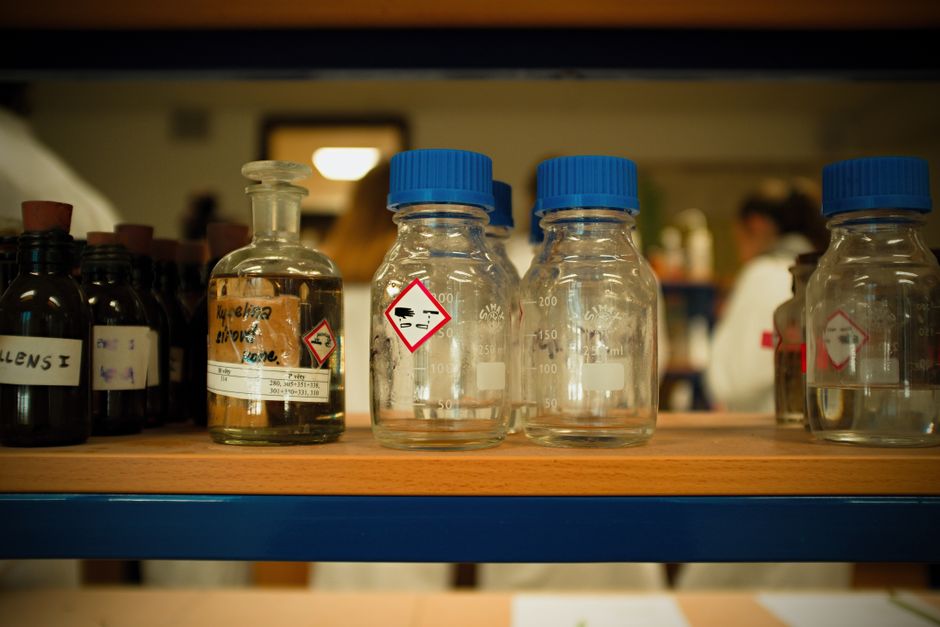
Photo by Jiri Ikonomidis on Pexels
A WHMIS label usually includes:
* Product Identifier: The product name.
* Supplier Identifier: Name of the company that supplied it.
* Pictograms: The red-bordered symbols we just discussed.
* Signal Word: Either "Danger" (more severe hazard) or "Warning" (less severe hazard).
* Hazard Statements: Phrases describing the nature of the hazard (e.g., "Highly flammable liquid and vapour").
* Precautionary Statements: Advice on how to minimize or prevent adverse effects (e.g., "Wear protective gloves/eye protection/face protection").
* First Aid Measures: What to do in case of exposure.
Safety Data Sheets (SDSs)

Photo by Kampus Production on Pexels
SDSs are much more detailed than labels. They have 16 standard sections covering everything from identification and hazards to first aid, firefighting measures, safe handling, and disposal. You'll always find an SDS available for any hazardous product in your workplace.
3. Worked Example
Let's say you're working with a new cleaning solution. You pick up the bottle and see a label with two pictograms: a Flame and a Corrosion symbol.
- The Flame immediately tells you this solution is flammable. You know you can't use it near an open flame or anything that sparks. You'd likely ensure good ventilation and avoid smoking while using it.
- The Corrosion symbol tells you it can burn your skin or eyes. This means you absolutely need to wear safety gloves and eye protection (like safety glasses or goggles) before you even open the bottle.
You also see the signal word "Danger" and hazard statements like "Highly flammable liquid and vapour" and "Causes severe skin burns and eye damage." The precautionary statements tell you to "Wear protective gloves/protective clothing/eye protection/face protection" and "Keep away from heat, hot surfaces, sparks, open flames and other ignition sources. No smoking."
This combination of pictograms and text gives you a clear and quick understanding of the product's hazards and the immediate steps you need to take to protect yourself.
4. Key Takeaways
- WHMIS is a system for communicating information about hazardous products to ensure safety.
- Labels, Safety Data Sheets (SDSs), and worker training are the three main components of WHMIS.
- Pictograms are quick visual symbols that indicate specific types of hazards.
- The "Flame" pictogram means a fire hazard, while "Corrosion" indicates potential skin/eye damage.
- "Danger" means a more severe hazard, while "Warning" indicates a less severe one.
- Always read the full product label and refer to the SDS for complete safety information.
Common mistakes to avoid:
- Ignoring pictograms: Don't just glance at them; understand what each one means.
- Skipping the label: Relying only on the pictogram isn't enough; read the hazard and precautionary statements.
- Not knowing where SDSs are: You should know how to access SDSs for products you use.
- Removing or defacing labels: This makes it impossible for others to identify hazards.
5. Now Try It
Find two different cleaning products or chemicals in your home (e.g., bleach, oven cleaner, paint thinner – be careful and don't open them). Look for any symbols or warning labels. Identify if any of the symbols resemble the WHMIS pictograms you've learned. Note down which pictograms you see (or similar symbols if it's not a WHMIS-regulated product) and what that tells you about the product's main danger.
What success looks like: You can identify at least one pictogram (or similar hazard symbol) on each product and correctly state the general type of hazard it represents (e.g., "This product has a flame symbol, so it's flammable").
Frequently asked about Introduction to WHMIS and Pictograms
Get the full Science curriculum
Clone the complete plan to your dashboard for unlimited AI-generated notes, practice quizzes, and a personalised revision schedule.
Create Free Account