Foundations of Human Rights and Vulnerable Populations
From the legal studies curriculum
Foundations of Human Rights and Vulnerable Populations
TL;DR
Human rights are fundamental entitlements inherent to all people, protecting dignity and freedom. These rights aren't always universally enjoyed, particularly by vulnerable populations who face systemic disadvantages. Understanding the legal frameworks and challenges is crucial to ensuring these populations' protection.
1. The Mental Model
Think of human rights as a universal "rulebook" for how everyone should be treated, no matter who they are. Vulnerable populations are like specific groups of players in the game who, due to their circumstances, often get unfair calls or aren't protected by the rules as they should be.
2. The Core Material
Human rights are generally understood as universal, inalienable, indivisible, interdependent, and interrelated. This means they apply to everyone, can't be taken away, are all equally important, and rely on each other.
A. Core Concepts of Human Rights
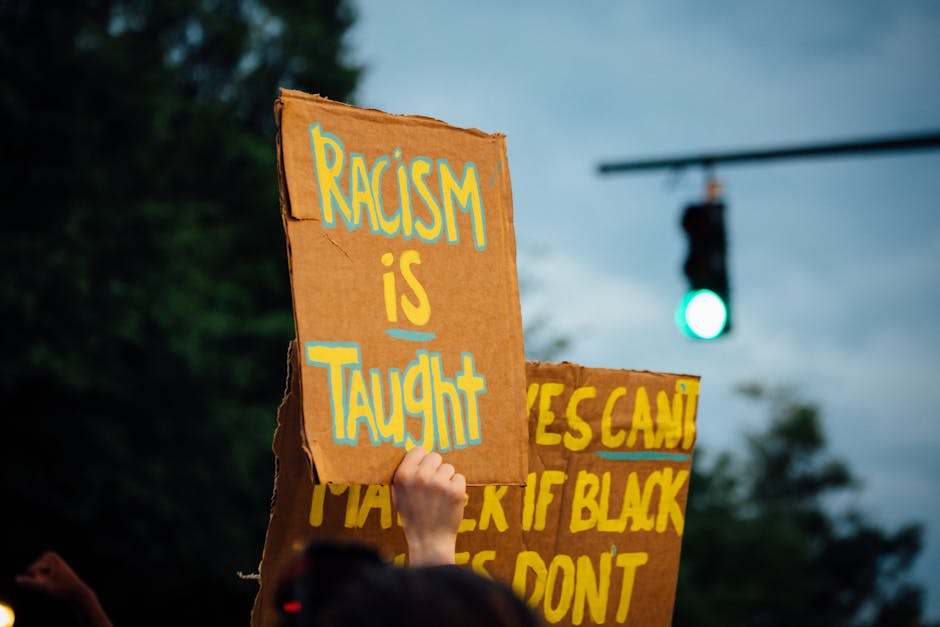
Photo by K on Pexels
- Universality: Human rights apply to everyone, everywhere, simply because they're human. This is a foundational principle.
- Inalienability: You can't give up your human rights, and they can't be taken from you, except in very specific, legally defined situations (e.g., a fair trial resulting in imprisonment).
- Indivisibility & Interdependence: All human rights are equally important and connected. You can't fully enjoy one right if others are being violated. For example, the right to education (social) impacts your right to political participation (civil).
B. International Human Rights Instruments
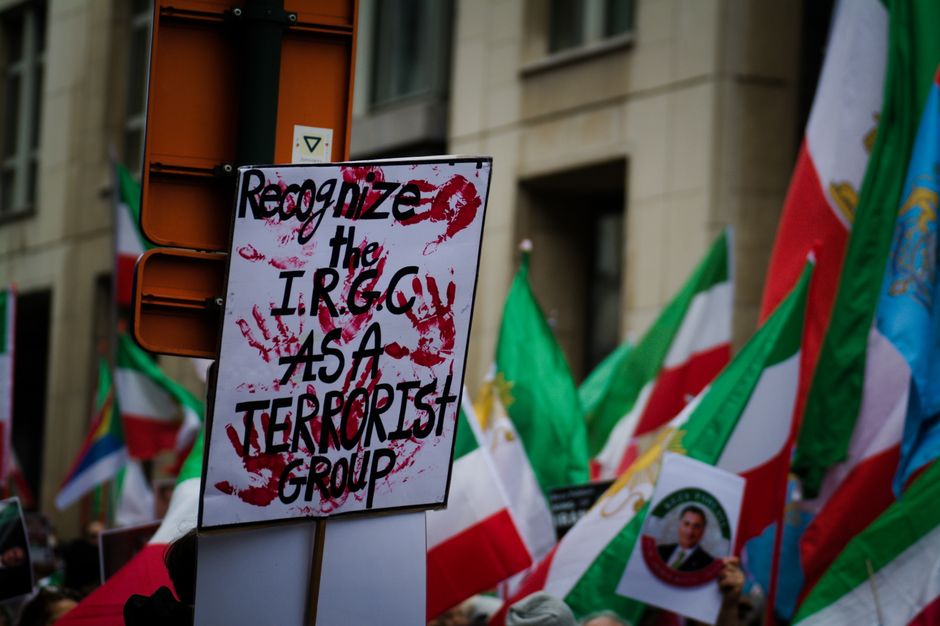
Photo by Kaveh Keshtiara on Pexels
These are the primary legal documents that define and protect human rights on a global scale.
- Universal Declaration of Human Rights (UDHR): Adopted in 1948, it's the foundational document, though not a treaty itself. It sets out the civil, political, economic, social, and cultural rights of all people.
- International Covenant on Civil and Political Rights (ICCPR): A treaty that details rights like life, liberty, freedom from torture, fair trial, and freedom of expression.
- International Covenant on Economic, Social and Cultural Rights (ICESCR): A treaty outlining rights such as the right to work, social security, health, education, and an adequate standard of living.
- Other Key Treaties: There are many others focused on specific groups or issues, such as the Convention on the Rights of the Child (CRC), the Convention on the Elimination of All Forms of Discrimination Against Women (CEDAW), and the Convention on the Rights of Persons with Disabilities (CRPD).
C. Vulnerable Populations

Photo by Minoo Jafari on Pexels
These are groups of people who, due to their social, economic, cultural, or physical characteristics, are at a higher risk of human rights violations, discrimination, or disadvantage. They often face systemic barriers to exercising their rights.
graph TD
    A["Human Rights Principles"] --> B["Universality"]
    A --> C["Inalienability"]
    A --> D["Indivisibility & Interdependence"]

    B --> E["International Human Rights Law"]
    C --> E
    D --> E

    E --> F["UDHR (Declaration)"]
    E --> G["ICCPR (Treaty)"]
    E --> H["ICESCR (Treaty)"]
    E --> I["Specific Conventions (e.g., CRC, CEDAW, CRPD)"]

    F --> J["Protection of Individuals"]
    G --> J
    H --> J
    I --> J

    J --> K["Challenges Faced by Vulnerable Populations"]
    K --> L["Discrimination"]
    K --> M["Lack of Access to Justice"]
    K --> N["Social Exclusion"]
    K --> O["Poverty"]
    K --> P["Violence/Abuse"]

    P --> Q["Increased Risk of Human Rights Violations"]
    O --> Q
    N --> Q
    M --> Q
    L --> Q
Common characteristics of vulnerable populations include:
- Discrimination: Being treated unfairly based on characteristics like race, gender, religion, disability, or sexual orientation.
- Power Imbalances: Lacking the power or resources to advocate for their rights effectively.
- Social Exclusion: Being marginalized from mainstream society, education, healthcare, or employment.
- Increased Risk of Violence or Abuse: Often targeted due to their perceived vulnerability.
Examples include:
- Children: Dependent on adults, lack full legal capacity, susceptible to exploitation.
- Persons with Disabilities: Face physical, social, and attitudinal barriers.
- Indigenous Peoples: Often face historical injustice, land dispossession, and cultural erosion.
- Refugees and Asylum Seekers: Displaced from their homes, often lack citizenship rights, vulnerable to exploitation.
- Women and Girls: Can face gender-based discrimination, violence, and inequality.
- LGBTIQ+ Individuals: Often face discrimination, violence, and legal disadvantages.
D. The Role of the State

Photo by Thuan Vo on Pexels
States have a primary responsibility to respect, protect, and fulfill human rights:
- Respect: States must refrain from interfering with or curtailing the enjoyment of human rights.
- Protect: States must protect individuals and groups against human rights abuses by non-state actors (e.g., corporations, individuals).
- Fulfill: States must take positive measures to enable the enjoyment of basic human rights, like providing education or healthcare.
3. Worked Example
Imagine a group of Indigenous people living in a remote area whose traditional lands are being encroached upon by a logging company.
- Initial Situation: The logging company, with government permits, starts clearing forests essential for their livelihood and cultural practices without proper consultation or consent. This violates several human rights.
- Rights Violated:
- Right to culture (ICESCR): Destruction of their ancestral lands undermines their cultural identity and practices.
- Right to self-determination (ICCPR & ICESCR): They weren't consulted or given a say in decisions affecting their territory.
- Right to an adequate standard of living (ICESCR): Their food sources and traditional hunting/gathering grounds are destroyed, impacting their ability to sustain themselves.
- Potentially the right to life and health: If water sources are polluted or access to traditional medicines is lost.
- State's Responsibility: The state has failed to "protect" these rights by allowing the company to proceed without adequate safeguards and consultation, and has failed to "fulfill" by not actively ensuring their right to culture and livelihood. It may also have failed to "respect" if it actively participated in displacing them.
- Advocacy & Action: The Indigenous community, with support from human rights organizations, might invoke international instruments like the UN Declaration on the Rights of Indigenous Peoples (UNDRIP) to argue for their rights, demand consultation, and seek remedies such as land restitution or compensation. They would highlight their status as a vulnerable population requiring special protections due to historical marginalization.
4. Key Takeaways
- Human rights are universal, inalienable, indivisible, and interdependent entitlements for all people.
- The UDHR, ICCPR, and ICESCR form the bedrock of international human rights law.
- Vulnerable populations are groups at higher risk of rights violations due to systemic disadvantages.
- States have obligations to respect, protect, and fulfill human rights for everyone.
- Specific international treaties exist to protect the rights of particular vulnerable groups.
Common Mistakes to Avoid:
- Don't confuse human rights (universal entitlements) with civil liberties (rights protected by national law, though often overlapping).
- Don't assume all countries interpret or implement human rights laws in the same way.
- Avoid thinking that international human rights law automatically means immediate, enforceable justice in national courts without domestic implementation.
- Don't forget that "vulnerable" isn't a weakness; it signifies a group needing specific protections due to external factors.
5. Now Try It
Choose one specific vulnerable population (e.g., persons with disabilities, refugees, or children) and research one international human rights treaty designed to protect them. Identify at least three specific rights outlined in that treaty that are particularly relevant to that population's vulnerabilities.
What success looks like: You'll be able to name the population and the treaty, list three specific articles or clauses from the treaty, and briefly explain how each helps address a unique vulnerability of that group.
Frequently asked about Foundations of Human Rights and Vulnerable Populations
Get the full legal studies curriculum
Clone the complete plan to your dashboard for unlimited AI-generated notes, practice quizzes, and a personalised revision schedule.
Create Free Account