Introduction to Philippine Folk Dance and Key Personalities
From the Physical Fitness/BSOA curriculum
TL;DR
Philippine folk dances are traditional dances reflecting Filipino culture and history, often categorized by region or influence. Understanding these dances helps you appreciate their cultural significance and the stories they tell. Several key individuals dedicated their lives to preserving and promoting these beautiful art forms.
1. The Mental Model
Think of Philippine folk dances as living history books, each movement and costume telling a story about a specific region, event, or way of life. They're not just steps; they're cultural expressions passed down through generations.
2. The Core Material
Philippine folk dances are a rich tapestry woven from diverse cultural influences, including indigenous traditions, Spanish colonization, and other Asian cultures. They vary widely in music, costume, and movement, often reflecting the daily lives, beliefs, and rituals of different Philippine communities.
Types of Philippine Folk Dances
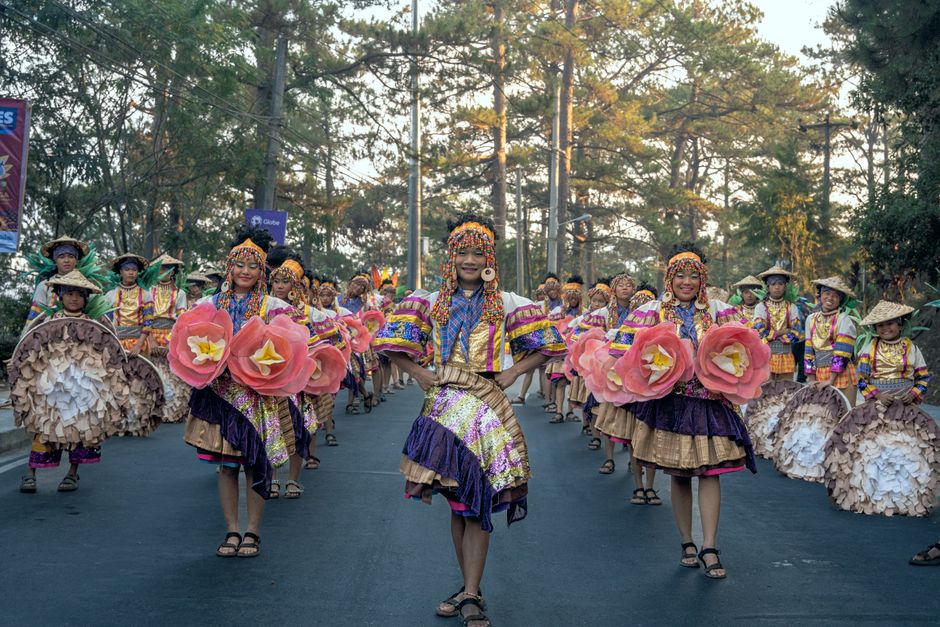
Photo by Kim Villanueva on Pexels
Folk dances are typically grouped based on their origin, influence, or theme:
- Cordillera Dances: These are from the mountainous regions of Northern Luzon, primarily the Igorot people. They often depict rituals, tribal wars, and thanksgiving, characterized by strong footwork and hand movements.
- Example: Banga (Kalinga women balancing pots on their heads), Bendayan (Baguio or Benguet, a festival dance).
- Spanish-Influenced Dances (Maria Clara Dances): These dances show the influence of Spanish culture during the colonial period. They are often courtly, elegant, and performed in formal attire like the baro't saya and barong tagalog.
- Example: Cariñosa (a courtship dance with a fan and handkerchief), Jota (Filipino version of Spanish jota).
- Muslim Dances: From Mindanao, these dances showcase the rich and vibrant cultures of the Muslim Filipinos. They are often characterized by intricate hand gestures, elaborate costumes, and sometimes involve props like fans or swords.
- Example: Singkil (Maranao royalty dance with clashing bamboo poles), Pangalay (Tausug, "finger dance").
- Rural/Barrio Dances: These reflect the simpler, everyday life of people in the countryside. They often depict work, celebrations, and community interactions.
- Example: Tinikling (Visayan, mimicking the tikling bird avoiding bamboo traps), Maglalatik (Tagalog, a mock war dance using coconut shells).
- Tribal Dances (Ethnic/Indigenous): Dances from various non-Muslim indigenous groups throughout the Philippines, often deeply spiritual and ritualistic.
- Example: Lumagen (Kalinga, a thanksgiving dance).
Key Personalities in Philippine Folk Dance
Photo by Kim Villanueva on Pexels
The preservation and promotion of Philippine folk dances owe much to dedicated individuals. Here are some of the most prominent:
- Francisca Reyes-Aquino (National Artist for Dance): Often called the "Mother of Philippine Folk Dance." She extensively researched, documented, and compiled numerous Philippine folk dances, providing the foundation for their study and performance today. Her work saved many dances from oblivion.
- Leonor Orosa-Goquingco (National Artist for Dance): Known as the "Trailblazer," "Mother of Philippine Theater Dance," and "Dean of Filipino Performing Arts Critics." She blended folk dance with ballet and modern dance, creating theatrical productions that brought Philippine dance to a wider audience.
- Lucrecia Reyes-Urtula (National Artist for Dance): Former artistic director of the Bayanihan Philippine National Folk Dance Company. She tirelessly promoted Filipino folk dances and rituals through performances worldwide, showcasing the richness of Philippine culture.
- Ramon Obusan (National Artist for Dance): A dancer, choreographer, and scholar who founded the Ramon Obusan Folkloric Group. He dedicated his life to preserving and presenting the Philippines' diverse cultural heritage through meticulous research and authentic stage presentations.
Here's a diagram illustrating the categorization of Philippine Folk Dances:
graph TD
    A["Philippine Folk Dances"] --> B["Cordillera Dances (Mountain Regions)"]
    A --> C["Spanish-Influenced (Maria Clara)"]
    A --> D["Muslim Dances (Mindanao)"]
    A --> E["Rural/Barrio Dances (Countryside Life)"]
    A --> F["Tribal Dances (Indigenous Groups)"]

    B --> B1["Banga"]
    B --> B2["Bendayan"]

    C --> C1["Cariñosa"]
    C --> C2["Jota Moncadeña"]

    D --> D1["Singkil"]
    D --> D2["Pangalay"]

    E --> E1["Tinikling"]
    E --> E2["Maglalatik"]

    F --> F1["Lumagen"]
    F --> F2["Kadaliwas"]
3. Worked Example
Let's consider the Tinikling dance. It's classified as a Rural/Barrio Dance from the Visayan region.
- Origin/Theme: It mimics the swift movements of the tikling bird as it hops between grass stems, trying to avoid traps set by farmers. It reflects the everyday life of people in rice paddies.
- Movements: Two bamboo poles are clapped together and against the ground in a rhythmic pattern. Dancers step in and out between the poles, skillfully avoiding getting their ankles caught. The tempo often increases, requiring agility and coordination.
- Music: Usually uses upbeat, lively folk music, often played on stringed instruments like the guitar and bandurria.
- Costume: Dancers typically wear traditional rural attire: balintawak or patadyong for women, and barong tagalog and farm pants for men.
- Significance: It's a celebratory dance showcasing grace, speed, and endurance, often performed at festivals and community gatherings.
This example shows how a single dance fits into a category and tells a story through its elements.
4. Key Takeaways
- Philippine folk dances are diverse, reflecting the country's varied geography, history, and ethnic groups.
- Dances are broadly categorized by region, cultural influence (like Spanish or Muslim), or theme (rural life, rituals).
- Each dance tells a unique story about Filipino culture, history, or daily life through its movements, music, and costumes.
- Francisca Reyes-Aquino is crucial for documenting and preserving many traditional Philippine folk dances.
- Other National Artists like Leonor Orosa-Goquingco, Lucrecia Reyes-Urtula, and Ramon Obusan significantly promoted and innovated Philippine dance.
- Understanding these dances provides insight into Filipino values, beliefs, and artistic expression.
- The use of props (like bamboo poles, pots, or coconut shells) is common and adds to the narrative of many dances.
Common Mistakes to Avoid:
- Don't assume all Filipino folk dances are the same; they are incredibly diverse.
- Don't overlook the historical and cultural context; it's essential for understanding the dance's meaning.
- Don't confuse authentic folk dances with modern interpretations unless specifically studying theatrical adaptations.
- Don't forget the significant contributions of individuals like Francisca Reyes-Aquino; their work is foundational.
5. Now Try It
Choose one Philippine folk dance (besides Tinikling or the ones mentioned as examples) that interests you. Research its origin, region, typical costumes, specific movements, and the story or cultural significance it represents. Write a short paragraph (5-7 sentences) describing it. Success looks like accurately identifying its category and clearly explaining its key characteristics and what it signifies.
Frequently asked about Introduction to Philippine Folk Dance and Key Personalities
Study this next
Get the full Physical Fitness/BSOA curriculum
Clone the complete plan to your dashboard for unlimited AI-generated notes, practice quizzes, and a personalised revision schedule.
Save this course free