Understanding Indian Culture and Heritage
From the Indian culture and heritage 10th Nios curriculum
Understanding Indian Culture and Heritage
TL;DR
Indian culture and heritage is a rich tapestry woven from diverse traditions, philosophies, languages, and arts spanning thousands of years. It's not a single, unchanging entity but a dynamic blend shaped by geography, history, and interactions. Understanding this deep history helps you appreciate the unique identity and contributions of India to the world.
1. The Mental Model
Think of Indian culture as a giant, ancient tree. Its roots are deep in history, its trunk is strong with core values, and its branches spread out, representing diverse regions, religions, and art forms, all connected but unique. It's constantly growing and adapting, yet its essence remains.
2. The Core Material
Indian culture is one of the oldest and most continuous civilizations in the world. It’s characterized by its incredible diversity in almost every aspect: language, religion, food, dress, and lifestyle. Yet, despite this diversity, there are underlying unities that bind it together, often rooted in philosophical concepts and shared historical experiences.
What is Culture?

Photo by Ann H on Pexels
Culture is essentially the way of life of a group of people. It includes their customs, beliefs, values, art, social institutions, and language. It's passed down through generations, shaping how people think, act, and interact with the world.
What is Heritage?
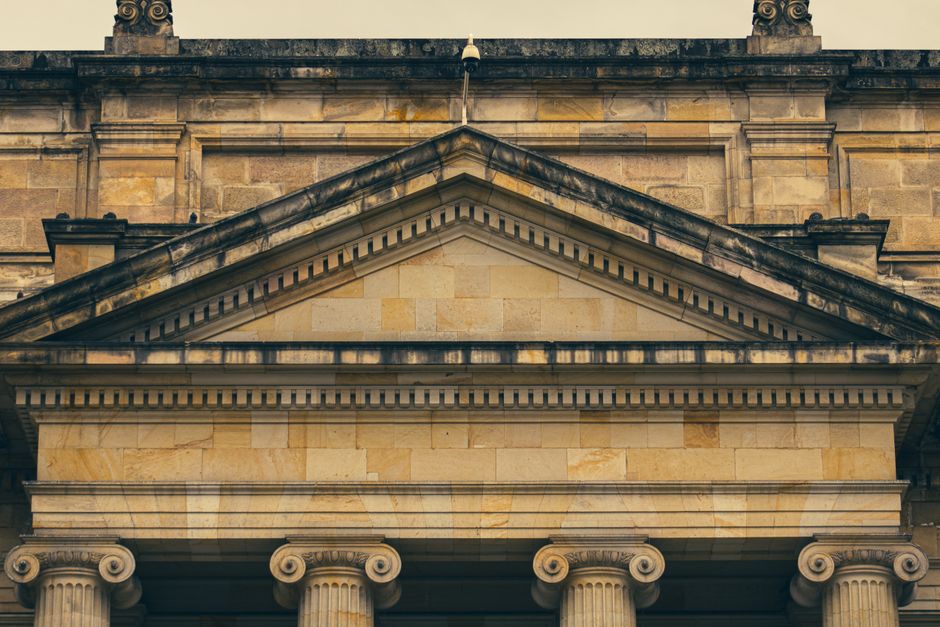
Photo by Christian Gutiérrez Martínez on Pexels
Heritage refers to what has been inherited from the past. For India, this includes tangible things like ancient monuments, art, and scriptures, as well as intangible things like traditions, knowledge systems, music, dance forms, and oral histories. It’s the legacy that informs the present and influences the future.
Key Aspects of Indian Culture and Heritage
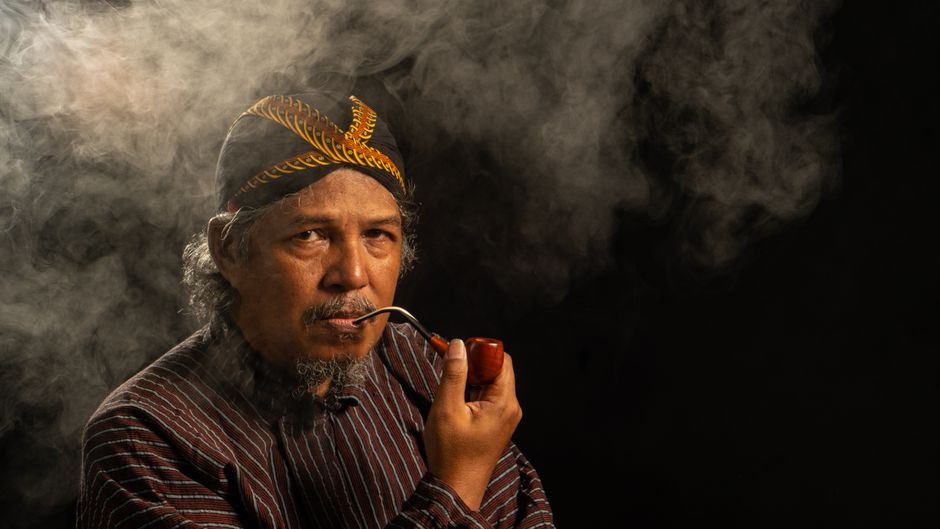
Photo by ridwan adee on Pexels
- Diversity and Unity: India is home to numerous religions (Hinduism, Islam, Christianity, Sikhism, Buddhism, Jainism), thousands of languages and dialects, and varied geographical landscapes. This leads to immense cultural diversity, yet there's a strong sense of national identity and shared cultural values like hospitality and respect for elders.
- Religion and Philosophy: Religion plays a central role. Hinduism, with its ancient texts (Vedas, Upanishads, Puranas) and philosophies (Dharma, Karma, Moksha), forms a significant bedrock. Buddhism and Jainism originated here, and later Islam and Christianity became integral parts of the cultural fabric.
- Arts and Architecture: India boasts a rich tradition in visual arts (sculpture, painting), performing arts (classical dance like Bharatanatyam, Kathak; classical music like Carnatic, Hindustani), literature (Sanskrit epics like Ramayana, Mahabharata), and architecture (temples, mosques, forts, palaces). Each region has its unique artistic expressions.
- Social Structures: Historically, the Varna system (later evolved into the caste system) and the joint family system were prominent. While the caste system is officially abolished and joint families are becoming less common in urban areas, their historical impact is undeniable.
- Science and Knowledge: Ancient India made significant contributions in mathematics (concept of zero, decimal system), astronomy, medicine (Ayurveda), metallurgy, and philosophy.
- Values: Core values often emphasized include Dharma (righteous conduct), Ahimsa (non-violence), Karma (action and its consequences), respect for nature, family values, and hospitality.
Here’s a diagram to help visualize the interconnected components:
graph TD
    A["Indian Culture & Heritage"] --> B["Diversity (Languages, Religions, Cuisines, Arts)"]
    A --> C["Unity (Shared Values, Historical Narratives)"]
    B --> D["Religion & Philosophy (Hinduism, Islam, Buddhism, Jainism, Christianity, Sikhism)"]
    B --> E["Arts & Architecture (Music, Dance, Literature, Temples, Forts)"]
    B --> F["Social Structures (Family Systems, Historical Varna)"]
    C --> G["Knowledge Systems (Ayurveda, Yoga, Mathematics)"]
    C --> H["Core Values (Dharma, Ahimsa, Hospitality)"]
    D --> E
    E --> F
    F --> G
    G --> H
3. Worked Example
Imagine you're visiting Rajasthan, a state in western India. You observe women wearing vibrant, mirrored ghagra-cholis, men in colourful turbans, and hear folk music played on unique instruments like the Ravanahatha. You see majestic forts and palaces like Amer Fort, intricate miniature paintings, and taste spicy dal-bati-churma. This experience showcases:
- Diversity: The specific dress, music, food, and architecture are unique to Rajasthan, distinct from, say, Kerala in the south.
- Heritage: The forts and palaces are historical legacies. The traditional music and dance forms have been passed down for centuries. The art forms are a continuation of ancient styles.
- Cultural Elements: It combines visual arts (dress, architecture), performing arts (music, dance), cuisine, and social customs (hospitality).
- Unity in Diversity: While distinct, it’s still recognized as an integral part of the broader Indian cultural mosaic, connected by overarching national narratives and shared historical threads.
4. Key Takeaways
- Indian culture is incredibly diverse, encompassing many languages, religions, and traditions.
- Heritage refers to the valuable legacies inherited from India's past, both tangible (monuments) and intangible (traditions).
- Religion and philosophy, especially Hinduism, Buddhism, and Jainism, have deeply shaped Indian thought and life.
- India has a rich tradition in arts, including classical music, dance, literature, and architectural marvels.
- Core Indian values often include Dharma, Ahimsa, respect for elders, and hospitality.
- Ancient India made significant contributions to science, mathematics, and medicine.
- The country's unity comes from shared historical experiences and underlying philosophical principles despite its vast diversity.
Common Mistakes to Avoid:
- Don't assume Indian culture is monolithic; it's extremely varied by region, religion, and community.
- Avoid thinking that ancient traditions are static; they evolve and adapt over time.
- Don't confuse the historical Varna system with modern social equality; the caste system is a complex and often discriminatory historical development.
- Don't overlook the contributions of non-Hindu traditions; Islam, Christianity, Sikhism, etc., are vital parts of Indian heritage.
5. Now Try It
Choose any one Indian festival (e.g., Diwali, Eid, Christmas, Baisakhi, Onam). Research its origins, the customs associated with it, the food typically prepared, and how it reflects broader Indian cultural values. Write a short paragraph (5-7 sentences) explaining your findings.
Success looks like: You'll be able to identify specific elements of culture (customs, food, values) and heritage (historical origins) within your chosen festival and explain how it fits into the larger tapestry of Indian culture.
Frequently asked about Understanding Indian Culture and Heritage
Get the full Indian culture and heritage 10th Nios curriculum
Clone the complete plan to your dashboard for unlimited AI-generated notes, practice quizzes, and a personalised revision schedule.
Create Free Account