Early Days of Japanese Rule: Establishing Control
From the Sec 2 history chapter 6 curriculum
Early Days of Japanese Rule: Establishing Control
TL;DR
When Japan occupied Singapore, their immediate goal was to establish complete control and remove British influence. They did this through military force, propaganda to win over the local population, and by reorganising the government and economy. Life under Japanese rule was harsh and marked by significant suffering for many.
1. The Mental Model
Think of the Japanese as taking over a house: first, they kick out the old owners (British). Then, they put their own locks on the doors, change the rules for everyone living there, and try to convince everyone that these new rules are good, all while keeping a very strict watch.
2. The Core Material
After the fall of Singapore in February 1942, the Japanese military, specifically the 25th Army led by General Tomoyuki Yamashita, began the process of establishing their control. Their aims were clear: eliminate British influence, secure resources for their war effort, and integrate Singapore (renamed Syonan-To, meaning "Light of the South") into their Greater East Asia Co-Prosperity Sphere.
Military and Administrative Control

Photo by bima on Pexels
The first step was consolidating military power. The Kempeitai, Japan's military police, were crucial in this. They were notorious for their brutality and were used to suppress any opposition or suspected anti-Japanese sentiments. Their methods included torture and public executions, creating an atmosphere of fear.
Administratively, the Japanese dismantled the existing British colonial structure. They introduced their own system, placing Japanese officials in key positions. While some local administrators were retained for practical reasons, ultimate authority always rested with the Japanese.
graph LR
    A["Japanese Occupation of Singapore"] --> B{"Establish Control"};
    B --> C["Military Suppression (Kempeitai)"];
    B --> D["Propaganda & Indoctrination"];
    B --> E["Administrative Reorganisation"];
    C --> C1["Eliminate Resistance"];
    D --> D1["Promote Japanese Ideology"];
    D --> D2["Undermine British Influence"];
    E --> E1["Replace British Officials"];
    E --> E2["Control Economy & Resources"];
    E --> E3["Introduce Japanese Language/Culture"];
Dealing with the Population: Sook Ching and Propaganda
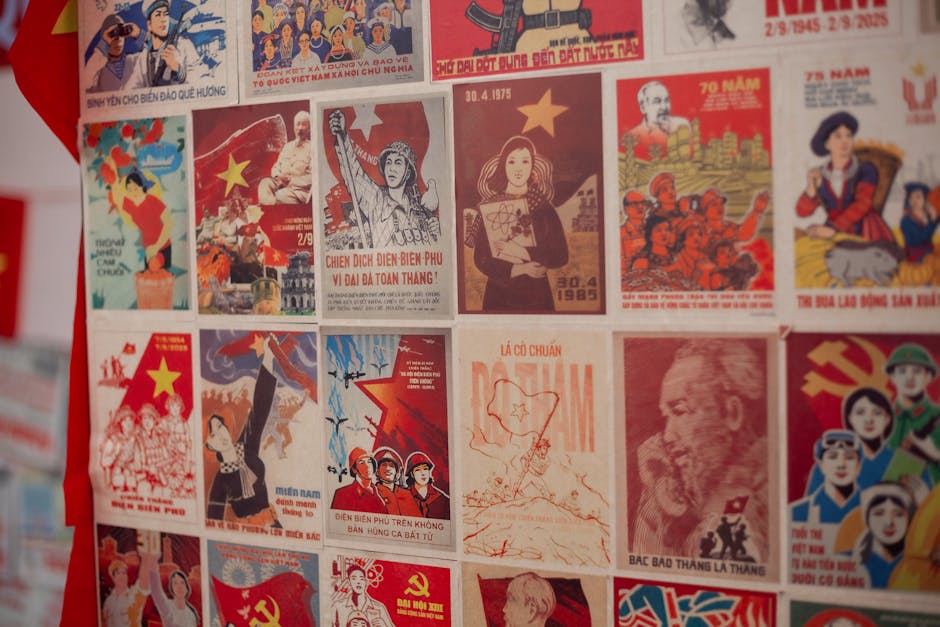
Photo by Hồng Thắng Lê on Pexels
The Japanese viewed certain segments of the population as threats. The Chinese community, in particular, was targeted due to China's ongoing war with Japan. This led to the infamous Sook Ching operation. Between February and March 1942, Chinese men (and some women) suspected of being anti-Japanese were rounded up and massacred. This act aimed to terrorise the Chinese population into submission and eliminate potential resistance.
At the same time, the Japanese launched extensive propaganda efforts. They used radio broadcasts, newspapers, and public posters to promote the idea of the "Greater East Asia Co-Prosperity Sphere," where Asian nations would unite under Japan's leadership, free from Western colonial rule. They tried to portray themselves as liberators, even as their actions contradicted this image. Education was also used as a tool, with Japanese language instruction becoming compulsory in schools.
Economic Control and Exploitation

Photo by Jakub Zerdzicki on Pexels
The Japanese immediately took control of Singapore's economy. Their primary goal was to extract resources (like rubber, tin, and oil) and raw materials to support their war machine. Factories and businesses were seized and repurposed. Food and essential goods became scarce, leading to rationing, black markets, and widespread inflation. The Japanese also introduced their own currency, "Banana Money," which quickly lost value, causing further economic hardship for the local population.
Social Impact

Photo by RDNE Stock project on Pexels
Daily life under Japanese rule was extremely difficult. Food shortages were common, and disease spread due to poor sanitation and lack of medical supplies. The population faced constant fear of the Kempeitai and suffered from forced labour, arbitrary arrests, and violence. The Japanese also imposed strict curfews and restrictions on movement.
3. Worked Example
Imagine you're living in Singapore in March 1942. The British have surrendered. One morning, Kempeitai soldiers arrive in your neighbourhood. They're looking for Chinese men between certain ages. Your neighbour, Mr. Tan, a teacher who openly supported the British before the war, is taken away. You don't see him again. Later that day, you hear a radio broadcast in Japanese (with a quick translation) explaining that all of Asia must unite under Japan's benevolent leadership to drive out the Western imperialists. Meanwhile, the rice rations are getting smaller, and the "banana notes" you have are buying less and less at the market. This scenario combines the fear of military control (Kempeitai), the propaganda machine, and the economic hardship of the time.
4. Key Takeaways
- The Japanese quickly established control through a combination of military force and administrative changes.
- The Kempeitai used brutal methods like torture and massacres (e.g., Sook Ching) to suppress opposition.
- Propaganda was used to win over the population and promote Japanese ideology, despite the harsh reality.
- The Japanese exploited Singapore's economy for their war effort, leading to severe shortages and inflation.
- Life for ordinary people under Japanese rule was marked by fear, hardship, and suffering.
- Singapore was renamed Syonan-To, signifying Japan's claim over it.
- The Greater East Asia Co-Prosperity Sphere was a Japanese concept used to justify their expansion.
Common Mistakes to Avoid:
- Don't confuse the Japanese aims (establishing control, securing resources) with their propaganda (liberating Asia).
- Don't underestimate the role of fear (Kempeitai) as a key tool of control.
- Don't forget that economic hardship was a direct consequence of Japanese policies.
- Don't assume all locals immediately embraced Japanese rule; there was resistance and widespread suffering.
5. Now Try It
Imagine you are a resident of Syonan-To in 1943. Write a short diary entry (about 100-150 words) describing your daily life. Include at least two ways the Japanese occupation has affected you personally (e.g., food, fear, propaganda, work). What would success look like? Your diary entry should clearly reflect the themes of control, hardship, and the daily realities discussed in these notes.
Frequently asked about Early Days of Japanese Rule: Establishing Control
More from Sec 2 history chapter 6
Get the full Sec 2 history chapter 6 curriculum
Clone the complete plan to your dashboard for unlimited AI-generated notes, practice quizzes, and a personalised revision schedule.
Create Free Account