Manufacturing Industries and Planning (India)
From the geography curriculum
Manufacturing Industries and Planning (India)
TL;DR
You'll learn about India's manufacturing sector, its importance, and the factors affecting its location. We'll cover industrial classifications and key challenges, crucial for your upcoming exam. Expect questions on industrial contribution to GDP and various industry types.
1. The Mental Model
Manufacturing transforms raw materials into finished goods, adding value and providing jobs. Its location depends on resource availability, market access, and government policies. Planning aims to balance economic growth with environmental protection.
2. The Core Material
Manufacturing industries are a big deal for India's economy. They create jobs, reduce reliance on agriculture, and earn foreign exchange.
Importance of Manufacturing

Photo by Markus Winkler on Pexels
- Economic Backbone: Contributes to GDP (Gross Domestic Product). You should know India's target for manufacturing's contribution (it's often talked about as 25% for growth).
- Employment Generation: Provides jobs for both skilled and unskilled labor.
- Poverty Reduction: Creates opportunities, lifting people out of poverty.
- Export Promotion: Finished goods can be exported, bringing in foreign currency.
- Infrastructure Development: Requires and stimulates development of roads, power, etc.
Factors Affecting Industrial Location
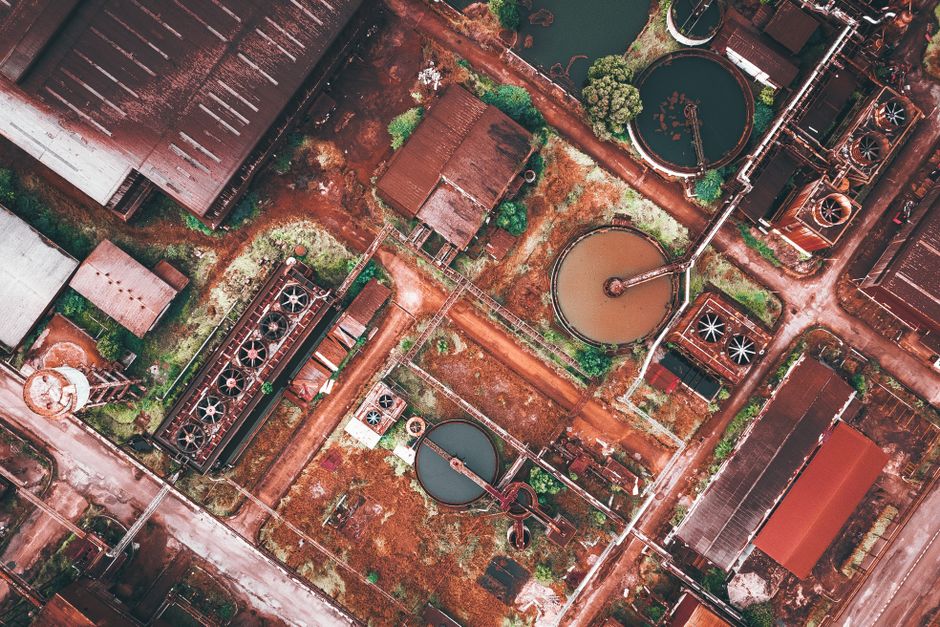
Photo by Pok Rie on Pexels
Industries don't just pop up anywhere. Their location is a strategic decision based on several factors:
* Availability of Raw Materials: Industries are often located near their main raw material source (e.g., steel near iron ore, sugar mills near sugarcane).
* Labor: Access to skilled or unskilled labor at reasonable wages.
* Capital: Availability of funds for investment.
* Power: Reliable and affordable electricity supply is crucial.
* Market: Proximity to consumers to reduce transportation costs for finished goods.
* Transport: Efficient networks (road, rail, water) for moving raw materials and finished products.
* Government Policies: Incentives (tax breaks, subsidies) or regulations can influence location.
* Land: Availability of suitable land at affordable prices.
graph TD
    A["Raw Material Proximity"] --> B["Reduced Input Costs"]
    C["Labor Availability"] --> D["Efficient Production"]
    E["Market Access"] --> F["Reduced Distribution Costs"]
    G["Power & Infrastructure"] --> H["Operational Efficiency"]
    I["Government Policies"] --> J["Incentives/Regulations"]
    K["Land Availability"] --> L["Site Selection"]

    Sub["Industrial Location Decision"]
    B --> Sub
    D --> Sub
    F --> Sub
    H --> Sub
    J --> Sub
    L --> Sub
Classification of Industries
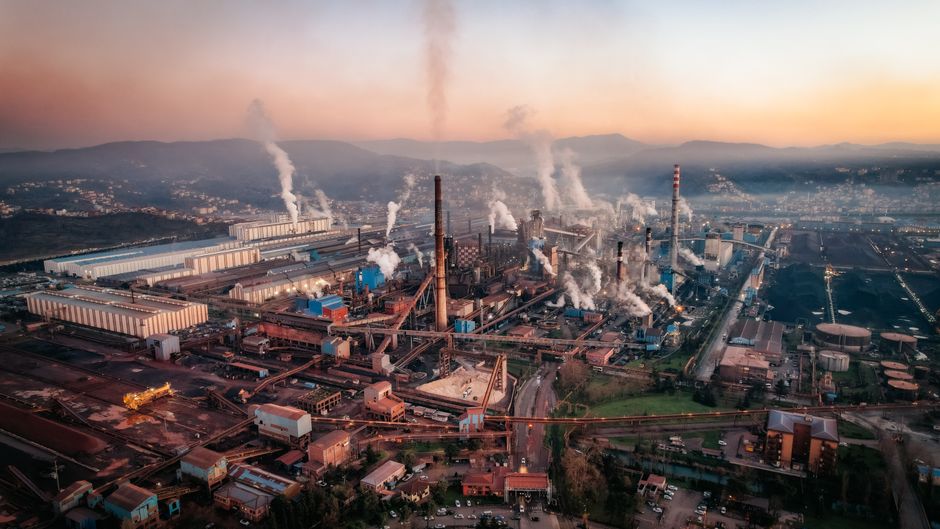
Photo by Batuhan Kocabaş on Pexels
Industries can be classified in many ways. You should be familiar with these:
-
On the basis of Source of Raw Materials:
- Agro-based: Use agricultural products as raw materials (e.g., cotton textiles, sugar, jute).
- Mineral-based: Use minerals as raw materials (e.g., iron and steel, cement, aluminum).
-
According to their Main Role:
- Basic/Key Industries: Produce goods that are used to make other goods (e.g., iron and steel, copper smelting, aluminum smelting).
- Consumer Industries: Produce goods directly for consumers (e.g., sugar, paper, fans, automobiles).
-
On the Basis of Capital Investment:
- Small Scale Industries (SSIs): Defined by the maximum investment allowed on the assets of a unit. This limit changes, so focus on understanding the concept.
- Large Scale Industries: Investment is much higher.
-
On the Basis of Ownership:
- Public Sector: Owned and operated by government agencies (e.g., SAIL, BHEL).
- Private Sector: Owned and operated by individuals or groups (e.g., TISCO, Reliance).
- Joint Sector: Jointly run by the state and individuals/groups (e.g., Oil India Ltd.).
- Cooperative Sector: Owned and operated by the producers or suppliers of raw materials, workers, or both (e.g., sugar mills in Maharashtra, coir industry in Kerala).
Challenges Faced by Indian Industries

Photo by Sharath G. on Pexels
- Obsolete Machinery: Many industries use old, inefficient technology.
- Irregular Power Supply: Frequent power cuts hamper production.
- Lack of Infrastructure: Poor roads, ports, and other facilities.
- Competition: From cheaper foreign goods.
- Environmental Degradation: Pollution from industries.
- Lack of Skilled Labor: Not enough trained workers for modern industries.
Industrial Policy and Planning
India's government has various policies to promote industrial growth, attract investment, and ensure balanced regional development. Policies often focus on Make in India, ease of doing business, and special economic zones (SEZs).
3. Worked Example
Let's consider the location of an Iron and Steel plant in India.
Question: Why are most major iron and steel plants in India located in the Chota Nagpur Plateau region?
Answer Breakdown:
1. Raw Materials: This region is rich in high-grade iron ore, coking coal, and limestone – all essential for steel production. Proximity to these heavy and bulky raw materials significantly reduces transport costs.
2. Labor: The surrounding states (Jharkhand, Odisha, West Bengal, Chhattisgarh) provide a large pool of both skilled and unskilled labor.
3. Power: The Damodar Valley Corporation (DVC) provides hydroelectric power to the region, and there are also numerous thermal power plants.
4. Water: The region has access to rivers like the Damodar, which provide essential water for cooling and processing.
5. Market: Kolkata, a major port and industrial hub, is relatively close, providing market access and export facilities.
6. Government Incentives: Historically, the government encouraged industrialization in this mineral-rich belt.
This example clearly shows how multiple factors combine to influence industrial location, not just one.
4. Key Takeaways
- Manufacturing is vital for India's economic growth, job creation, and poverty alleviation.
- Industrial location is determined by a complex interplay of factors like raw materials, labor, market, and infrastructure.
- Industries are classified based on raw materials (agro-based, mineral-based), role (basic, consumer), ownership (public, private, joint, cooperative), and capital investment (small, large).
- India's manufacturing sector faces challenges like outdated technology, power shortages, and environmental concerns.
- Government policies aim to boost manufacturing through initiatives like 'Make in India' and infrastructure development.
- Understanding the reasons behind industrial location helps explain regional development patterns.
Common Mistakes to Avoid
- Confusing Basic and Consumer Industries: Remember, basic industries make for other industries, consumer industries make for you.
- Ignoring Multiple Factors: Don't just pick one reason for industrial location; always consider several factors.
- Misidentifying Sector Ownership: Know the difference between public (govt.), private (individuals), joint (both), and cooperative (producers/workers).
- Not Linking Challenges to Solutions: When asked about challenges, try to briefly mention how they are being addressed or what the ideal solution would be.
5. Now Try It
Spend 15 minutes researching a specific industrial region in India (e.g., Mumbai-Pune Industrial Region or Bengaluru-Chennai Industrial Region). For that region, identify: 1) its dominant industries, and 2) at least three key factors that contributed to its industrial growth and concentration. What you're looking for is how the physical and human geography of that area led to its industrial development.
Frequently asked about Manufacturing Industries and Planning (India)
More from geography
Get the full geography curriculum
Clone the complete plan to your dashboard for unlimited AI-generated notes, practice quizzes, and a personalised revision schedule.
Create Free Account