Introduction to Price and its Nature
From the PRICING STRATEGY curriculum
TL;DR
Price is what a buyer gives up for a product or service, representing its value. It's not just a number; it heavily influences demand, revenue, and customer perception. Understanding how price works is crucial for any successful business strategy.
1. The Mental Model
Think of price as the exchange rate for value. You're trading something (usually money) for the benefits you get from a product or service. This exchange rate tells everyone how much something is "worth" to both the buyer and the seller.
2. The Core Material
Price is a critical element in the marketing mix, often called "the only revenue-generating element." All other elements (product, place, promotion) are costs. But price isn't just about covering costs; it's a powerful strategic tool.
What is Price?

Photo by Ann H on Pexels
At its simplest, price is the amount of money charged for a product or service, or the sum of the values that consumers exchange for the benefits of having or using the product or service. It can take many forms: tuition, rent, fees, fare, toll, salary, commission, wage, bribe – all are types of price.
The Nature of Price: More Than Just a Number
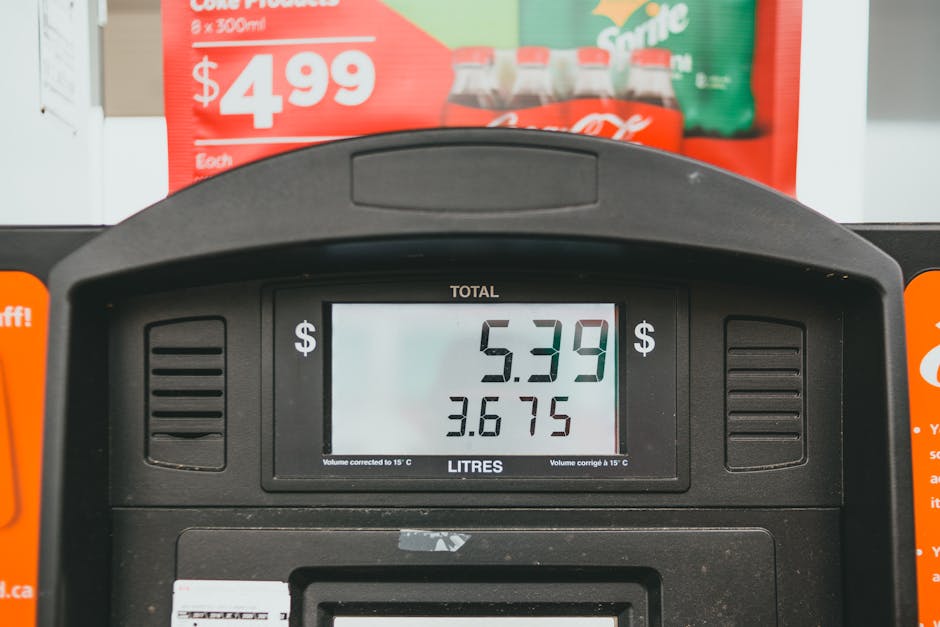
Photo by Erik Mclean on Pexels
Price has several key characteristics that make it unique and important:
- Dynamic: Prices aren't fixed forever. They change based on supply, demand, competition, costs, and strategic goals. Think about flight prices or seasonal produce.
- Perceptual: Price heavily influences how customers perceive your product's quality and value. A higher price can suggest higher quality (prestige pricing), while a lower price might imply a bargain or lower quality.
- Flexible: You can adjust prices relatively quickly compared to changing a product or distribution channel. This flexibility makes it a powerful short-term tactical tool.
- Influencer of Demand: Generally, higher prices lead to lower demand, and lower prices lead to higher demand (though not always linearly). This relationship is called price elasticity.
- Key to Profitability: Price directly impacts your sales volume and your profit margins. Even a small change in price can significantly affect your bottom line.
- Signal to the Market: Your pricing sends signals to competitors, customers, and even suppliers about your brand positioning and strategy.
Here's a simple diagram showing the key factors that influence price:
graph TD
    A["Customer Perception of Value"] --> B("Price")
    C["Competitors' Prices"] --> B
    D["Company Costs (Fixed & Variable)"] --> B
    E["Marketing Objectives (e.g., Maximize Profit, Increase Market Share)"] --> B
    F["External Factors (Economy, Regulations, Demand)"] --> B
Different Views of Price
Photo by Ann H on Pexels
- From the Buyer's Perspective: Price is the cost of acquiring the benefits of a product or service. It's a sacrifice they make.
- From the Seller's Perspective: Price is the revenue generated and a tool to achieve strategic objectives like market share or profit maximization.
- From Society's Perspective: Price influences resource allocation, inflation, and living standards.
The Trade-off

Photo by Alesia Kozik on Pexels
Ultimately, price is about a trade-off. Buyers weigh the perceived benefits against the monetary and non-monetary costs (like effort or time). Sellers weigh the potential revenue and profit against the risk of losing sales due to a high price or leaving money on the table due to a low one.
3. Worked Example
Imagine you're selling custom-designed t-shirts.
Your costs are $10 per shirt (materials, printing, labor).
Your marketing objective is to maximize profit but also gain some market share.
If you price the shirt at $15:
* Buyer's perspective: "That's a fair price for a unique design." (Perceived value > $15)
* Seller's perspective: You make $5 profit per shirt. If you sell 100 shirts, that's $500 profit. Your price is relatively low, possibly attracting more buyers and increasing market share.
* Competitor's perspective: A competitor selling similar shirts for $20 might see your price as aggressive and respond.
If you price the shirt at $35:
* Buyer's perspective: "This better be really high quality and unique for that price." (Perceived value must be significantly higher)
* Seller's perspective: You make $25 profit per shirt. If you sell only 20 shirts, that's still $500 profit. This strategy aims for higher margin, perhaps signaling premium quality, but might limit your market share.
* Competitor's perspective: Competitors selling at $20 might not view you as a direct threat for the same customer base; you're playing in a different league.
This example shows how the same product can have different optimal prices depending on your strategy and how buyers perceive its value relative to competitors.
4. Key Takeaways
- Price is the monetary (or non-monetary) value exchanged for a product or service.
- It's the only revenue-generating element in the marketing mix.
- Price is highly dynamic, flexible, and influences both demand and perception.
- Your pricing strategy signals your product's quality and market position.
- Effective pricing balances company costs, customer value, and competitor actions.
- Price is fundamentally a trade-off between perceived benefits and sacrifices.
Common Mistakes to Avoid:
- Cost-plus pricing only: Just adding a margin to your costs without considering value or competition can be disastrous.
- Ignoring competitor pricing: Setting prices in a vacuum means you'll miss market realities.
- Underestimating value perception: Selling a high-value product too cheaply leaves money on the table.
- Over-pricing: Setting prices so high that no one buys, even if the value is there, means no revenue.
- Infrequent price review: Markets change; your prices should too.
5. Now Try It
Spend 15 minutes thinking about a product or service you regularly buy (e.g., your smartphone, coffee, streaming service). List three things that influence its price from your perspective as a buyer (e.g., quality, brand, convenience). Then, list three things you think influence its price from the seller's perspective (e.g., production cost, competitor prices, profit goals). How do these perspectives align or differ?
Frequently asked about Introduction to Price and its Nature
More from PRICING STRATEGY
Get the full PRICING STRATEGY curriculum
Clone the complete plan to your dashboard for unlimited AI-generated notes, practice quizzes, and a personalised revision schedule.
Save this course free