Introduction to Injection Safety
From the Foundation of nursing curriculum
TL;DR
Injection safety is crucial in nursing to prevent harm to both you and your patient. It involves following strict protocols to avoid infections, needle stick injuries, and medication errors. Your goal is to deliver medication safely and effectively every single time.
1. The Mental Model
Think of injection safety as a commitment to precision and cleanliness. Every step, from preparing the medication to administering it and disposing of the sharps, is critical for protecting everyone involved. It's about being meticulous to prevent avoidable harm.
2. The Core Material
Injection safety focuses on preventing three main types of harm: infections, needle stick injuries, and medication errors. You'll learn and practice specific techniques to minimize these risks.
Preventing Infections

Photo by Monstera Production on Pexels
This is all about maintaining aseptic technique. Aseptic technique means using practices and procedures to prevent contamination from microorganisms. For injections, this includes:
* Hand hygiene: Always wash your hands thoroughly or use an alcohol-based hand rub before preparing or administering an injection.
* Skin preparation: Clean the injection site thoroughly with an antiseptic solution (like alcohol wipes) and let it dry completely. This creates a sterile field on the skin.
* Sterile equipment: Use only sterile, single-use needles, syringes, and medication vials/ampules. Never reuse these items.
* No-touch technique: Avoid touching the needle, the tip of the syringe, or the inside of the medication cap with your ungloved hand after cleaning or opening.
Preventing Needle Stick Injuries (NSIs)
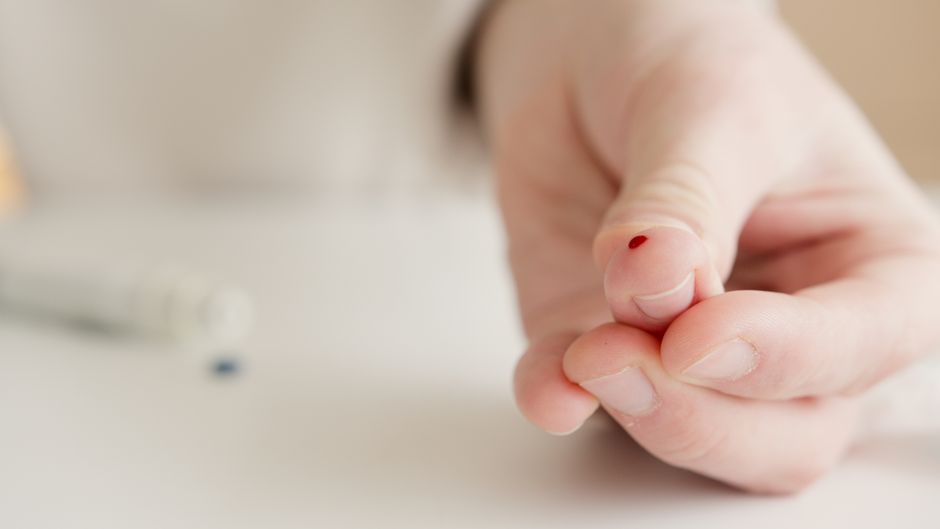
Photo by Artem Podrez on Pexels
Needle stick injuries are dangerous because they can transmit bloodborne pathogens like Hepatitis B, Hepatitis C, and HIV.
* Never recap a used needle: This is the most common cause of NSIs. If you must recap an unused needle (e.g., for transport), use the "scoop method" or a safety device.
* Use safety-engineered devices: Many needles and syringes now come with built-in safety features like retractable needles or needle shields. Activate these immediately after use.
* Immediate disposal: Place used needles and other sharps into a puncture-resistant sharps container immediately after use. Don't overfill sharps containers.
Preventing Medication Errors

Photo by Maksim Goncharenok on Pexels
Even a small error can have serious consequences.
* "5 Rights" of medication administration: Always check the right patient, right drug, right dose, right route, and right time. Add a sixth right: right documentation.
* Labeling: Label syringes immediately after drawing up medication if it's not being administered immediately. Never prepare medications without a label.
* Verification: Double-check medication orders and calculations. If unsure, ask for clarification from a supervisor or prescriber.
Here's a flowchart showing the essential steps for safe injection practice:
graph TD
    A["Perform Hand Hygiene"] --> B["Gather & Check Supplies (5 Rights)"]
    B --> C{"Is Medication Ready?"}
    C -- "No, Prepare It" --> D["Prepare Medication (Aseptic Technique)"]
    C -- "Yes, It Is" --> E["Clean Injection Site"]
    D --> E
    E --> F["Administer Injection (No-touch)"]
    F --> G["Activate Safety Device (If Applicable)"]
    G --> H["Immediately Dispose of Sharps"]
    H --> I["Document Administration"]
3. Worked Example
Imagine you need to administer 2 mL of a flu vaccine intramuscularly to an adult patient.
- Hand Hygiene: You wash your hands thoroughly for 20 seconds.
- Gather & Check: You retrieve the flu vaccine, a 3 mL syringe, and a 23-gauge, 1-inch needle. You verify the right patient (by checking their ID band), right drug (flu vaccine), right dose (2 mL), right route (intramuscular), and right time (scheduled now). You check the vaccine's expiry date.
- Prepare Medication: You clean the rubber stopper of the vaccine vial with an alcohol wipe. You attach the needle to the syringe, draw 2 mL of air into the syringe, inject the air into the vial, and then withdraw exactly 2 mL of vaccine, being careful not to touch the needle or plunger tip. You check for air bubbles.
- Injection Site: You clean the patient's deltoid muscle area with an alcohol wipe, moving in a circular motion outwards, and allow it to air dry completely.
- Administer: You position the patient, gently insert the needle at a 90-degree angle, aspirate (if required by policy for this injection, though not common for vaccines), and slowly inject the medication.
- Safety & Disposal: Immediately after withdrawing the needle, you activate the safety shield on the needle. You then walk directly to the sharps container and drop the entire syringe and needle unit into it.
- Documentation: You document the administration in the patient's chart, including the vaccine lot number, site, time, and your initials.
4. Key Takeaways
- Always perform thorough hand hygiene before and after preparing or administering an injection.
- Use sterile, single-use equipment for every injection to prevent contamination.
- Strictly follow aseptic technique to protect both the patient and yourself from infection.
- Never recap a used needle; immediately activate safety features and dispose of sharps in a designated container.
- Double-check the "5 Rights" of medication administration to prevent errors.
- Ensure the injection site is clean and completely dry before administering the shot.
- Immediate and correct disposal of sharps is non-negotiable for preventing injuries.
5. Now Try It
Review your facility's policy on intramuscular injection administration. Pay close attention to the specific steps for medication preparation, site selection, and sharps disposal. Then, using a practice syringe and needle (without medication, and a practice pad if available), simulate the steps of administering an intramuscular injection to a "patient," verbalizing each action and the rationale behind it. Your success will be demonstrating all the core safety principles (hand hygiene, sterile technique, no-recap, immediate sharps disposal) correctly and in the proper sequence.
Frequently asked about Introduction to Injection Safety
Study this next
Get the full Foundation of nursing curriculum
Clone the complete plan to your dashboard for unlimited AI-generated notes, practice quizzes, and a personalised revision schedule.
Save this course free