Introduction to Community Health Nursing and Global Health Context
From the can curriculum
TL;DR
Community health nursing focuses on preventing illness and promoting health for entire populations, not just individuals. It uses a public health approach to address health challenges within communities and considers how global factors influence local health. Understanding these connections helps you deliver effective, culturally sensitive care.
1. The Mental Model
Think of community health nursing as zooming out from individual patient care to see the bigger picture of a neighborhood, city, or even the world. You're not just treating symptoms; you're looking at why people get sick in the first place and how to keep whole groups healthy, all while considering how global events affect local well-being.
2. The Core Material
Community health nursing (CHN) is a specialized field that blends nursing science with public health science. Instead of focusing on individual patient care in a hospital, CHN aims to promote health, prevent disease, and address health disparities for entire populations and communities. You'll work with groups of people – families, schools, workplaces, entire neighborhoods – to identify their health needs and develop solutions.
The global health context acknowledges that health isn't isolated within borders. What happens in one part of the world can directly or indirectly affect health everywhere else. Think about pandemics, climate change, economic shifts, or migration – these are global issues with local health impacts you'll need to understand.
Principles of Community Health Nursing

Photo by Lagos Food Bank Initiative on Pexels
- Population-Focused: You're looking at the health of an entire group, not just one person.
- Health Promotion & Disease Prevention: Your main goal is to keep people healthy and stop them from getting sick, rather than just treating illness.
- Holistic Approach: You consider all factors affecting health: physical, mental, social, environmental, economic, and cultural.
- Partnership: You work with the community, not just for them. Their input is crucial.
- Evidence-Based Practice: You use the best available research to guide your interventions.
- Social Justice: You advocate for equitable distribution of health resources and opportunities.
Determinants of Health

Photo by Mikhail Nilov on Pexels
These are the wide range of personal, social, economic, and environmental factors that influence individual and population health. They're not just about healthcare access.
graph TD
    A["Socioeconomic Status (Income, Education, Occupation)"] --> D["Health Outcomes (Disease, Life Expectancy)"]
    B["Physical Environment (Housing, Water, Air Quality)"] --> D
    C["Health Behaviors (Diet, Exercise, Smoking)"] --> D
    E["Healthcare Access & Quality"] --> D
    F["Social Support Networks (Family, Community)"] --> D
    G["Genetics & Biology"] --> D
    H["Culture & Gender"] --> D
    I["Global Factors (Pandemics, Climate, Economics)"] --> D
    D --> J["Community Health Nurse Interventions (Education, Policy Advocacy)"]
Global Health Issues Impacting Local Communities
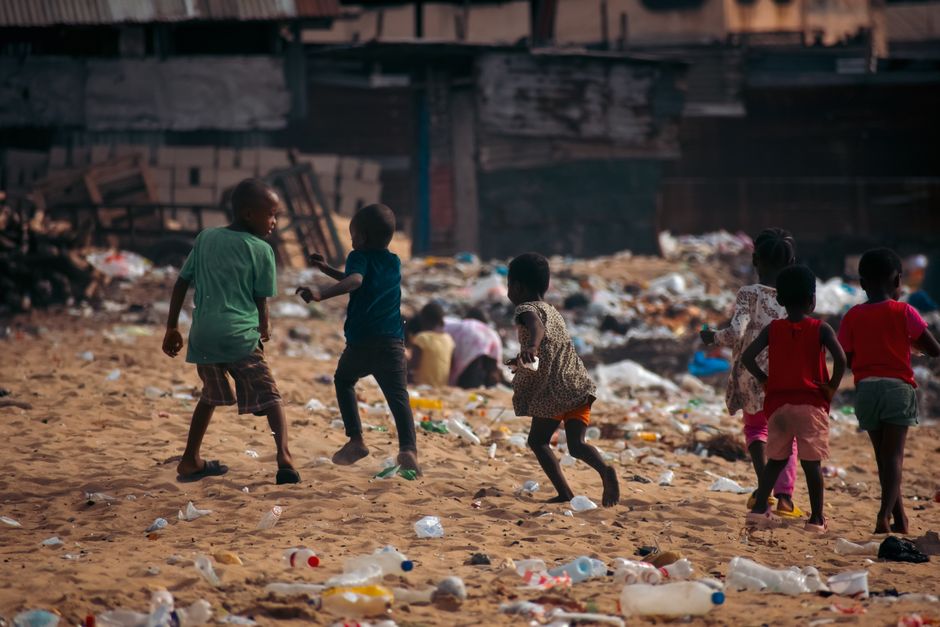
Photo by B. Aristotlè Guweh Jr on Pexels
- Communicable Diseases: Pandemics (like COVID-19) show how quickly diseases can travel globally. You'll see their local effects on health systems and public behavior.
- Non-Communicable Diseases: Lifestyle diseases (heart disease, diabetes) are rising globally, influenced by globalized diets and sedentary lifestyles.
- Environmental Health: Climate change (extreme weather, air pollution) affects local health directly (respiratory issues, heatstroke) and indirectly (food security, displacement).
- Migration and Displacement: People moving across borders bring diverse health needs, cultural considerations, and sometimes diseases from their home regions.
- Economic Factors: Global recessions or economic shifts can impact local employment, poverty rates, and thus health access and outcomes.
Your role in CHN often involves assessing these global connections and tailoring interventions to fit the local community's unique context.
3. Worked Example
Imagine you're a community health nurse working in a small, agricultural town. You notice a recent uptick in respiratory illnesses among farm workers, particularly after certain weather events.
Instead of just treating individual cases, you think broadly. You discover that a global shift in agricultural practices (e.g., use of certain pesticides, larger-scale operations leading to more airborne dust) and local weather patterns (stronger winds due to climate change) are contributing factors. Many workers are also recent migrants, potentially with language barriers and limited access to health education or protective gear.
Your intervention strategy would involve:
1. Assessing the community: Collaborating with local clinics, community leaders, and the workers themselves to gather more data on exposures, symptoms, and barriers to care.
2. Education: Developing culturally appropriate health education materials on respiratory protection, signs of illness, and where to seek care, possibly in multiple languages.
3. Advocacy: Working with local government and farm owners to improve working conditions, ensure proper safety equipment, and consider policies regarding pesticide use or dust mitigation.
4. Partnerships: Connecting workers with affordable healthcare services, translation services, and legal aid if needed.
5. Monitoring: Tracking respiratory illness rates to see if interventions are effective.
This example shows how global trends (climate change, migration patterns, agricultural economics) manifest locally and require a multi-faceted community health nursing response.
4. Key Takeaways
- Community health nursing focuses on the health of entire populations, using prevention and promotion as key strategies.
- Global health context recognizes that local health is influenced by worldwide factors like pandemics, climate change, and economic trends.
- You'll address a broad range of determinants of health, not just individual medical conditions.
- Partnering with the community and advocating for social justice are fundamental to effective CHN.
- Your role often involves translating global health knowledge into practical, local interventions.
Common Mistakes to Avoid:
- Tunnel vision: Don't just treat symptoms; always look for the underlying community and global factors.
- "One size fits all" approach: Communities are diverse; interventions must be culturally sensitive and tailored.
- Working in isolation: You can't solve complex health issues alone; collaboration with community members and other professionals is essential.
- Ignoring upstream factors: Focusing solely on individual behaviors without addressing broader social, economic, or environmental causes of poor health.
5. Now Try It
Spend 15 minutes researching a current global health issue (e.g., antimicrobial resistance, food insecurity, or a specific disease outbreak). Then, imagine you're a community health nurse in your local area. Describe three specific ways this global issue could impact the health of your community and suggest one concrete, population-focused nursing intervention for each impact. What would success look like for each intervention?
Frequently asked about Introduction to Community Health Nursing and Global Health Context
Study this next
Get the full can curriculum
Clone the complete plan to your dashboard for unlimited AI-generated notes, practice quizzes, and a personalised revision schedule.
Save this course free