Introduction to Lab Safety: The 'Why' and 'What'
From the The flint scientific high school lab safety contract curriculum
Introduction to Lab Safety: The 'Why' and 'What'
TL;DR
Lab safety isn't just a set of rules; it's about keeping you, your classmates, and our environment safe while doing cool science. We'll cover why safety matters so much and what core responsibilities you have. Understanding this foundation makes all other safety rules make sense.
1. The Mental Model
Think of lab safety like wearing a seatbelt in a car: you hope you'll never need it, but it's always there to protect you from unexpected dangers. It's about being prepared and responsible, not just following instructions blindly.
2. The Core Material
Lab work involves unique hazards, so it's critical we establish a safe working environment. The "why" behind lab safety is simple: to prevent injuries, protect equipment, avoid environmental harm, and ensure everyone can learn effectively. Without clear safety guidelines and your commitment, even simple experiments can go wrong.
Your "what" responsibilities include understanding and following all instructions, knowing where safety equipment is, and reporting any issues immediately. It's not just about what you do but also what you don't do, like horseplay or unauthorized experiments. Being proactive and aware is key.
graph TD
    A["Lab Activity Starts"] --> B{"Potential Hazards Present?"}
    B -- Yes --> C["Apply Safety Procedures (PPE, ventilation, etc.)"]
    B -- No --> D["Proceed with Caution & Awareness"]
    C --> D
    D --> E{"Incident Occurs?"}
    E -- Yes --> F["Immediate Response (First Aid, spill cleanup)"]
    F --> G["Report Incident to Teacher"]
    E -- No --> H["Continue Lab Safely"]
    G --> H
    H --> I["Lab Activity Ends"]
2.1 Why Safety Matters

Photo by Ann H on Pexels
Labs often use chemicals that can be corrosive, flammable, or toxic. We also use glassware that can break and heat sources that can burn. Understanding these potential risks is the first step to preventing accidents. When you know why you can't mix certain chemicals or why you need safety goggles, you're more likely to follow the rules and internalize their importance.
2.2 Your Core Safety Responsibilities
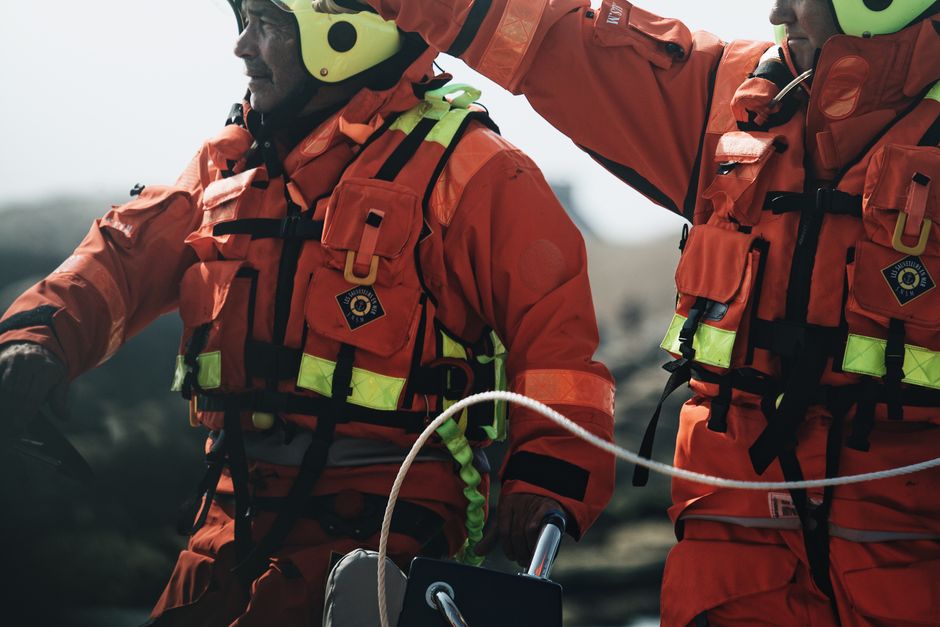
Photo by Maël BALLAND on Pexels
You're responsible for your own safety and the safety of those around you. This includes:
* Always following verbal and written instructions.
* Knowing the location and proper use of safety equipment (eyewash, fire extinguisher, first aid kit).
* Wearing appropriate personal protective equipment (PPE) like goggles and aprons.
* Keeping your workspace tidy and organized.
* Never eating, drinking, or applying cosmetics in the lab.
* Reporting any accident, spill, or broken equipment to your teacher immediately, no matter how small.
3. Worked Example
Imagine you're heating a liquid in a test tube. Your teacher has instructed you to always point the test tube away from yourself and others. This isn't just an arbitrary rule. If the liquid boils over unexpectedly, or if it's superheated and bumps, pointing it away prevents hot liquid from splashing onto faces or into eyes. Knowing the why (potential for boiling and splashing) reinforces the what (always point it away) and helps you remember to do it every time.
4. Key Takeaways
- Lab safety protects you, your peers, and the environment from harm.
- Understanding the "why" behind safety rules helps you apply them consistently.
- Your active participation and awareness are crucial for a safe lab environment.
- Always follow instructions and know where safety equipment is located.
- Report any incident, no matter how minor, to your teacher right away.
Common Mistakes to Avoid:
- Ignoring safety instructions because "it won't happen to me."
- Not knowing the location of emergency equipment.
- Trying to clean up spills or handle broken glass without teacher supervision.
- Engaging in horseplay or unauthorized experiments in the lab.
5. Now Try It
Spend 15 minutes reviewing the lab space. Identify the location of at least three different pieces of safety equipment (e.g., eyewash station, fire extinguisher, first aid kit, fire blanket). Then, mentally list two specific hazards you might encounter in this lab and one rule that helps mitigate each of those hazards. Be ready to share your findings with your teacher.
Frequently asked about Introduction to Lab Safety: The 'Why' and 'What'
Get the full The flint scientific high school lab safety contract curriculum
Clone the complete plan to your dashboard for unlimited AI-generated notes, practice quizzes, and a personalised revision schedule.
Create Free Account