Socialization, Enculturation, and Identity Formation
From the understanding culture, society, and political science curriculum
TL;DR
You learn how to be a member of society through socialization, adopting its norms and values. Enculturation is a specific type of socialization focused on learning your own culture's ways. Together, these processes profoundly shape your identity, determining who you see yourself to be.
1. The Mental Model
Think of yourself as a blank slate at birth. Socialization and enculturation are the continuous processes that "write" on that slate, filling it with the rules, beliefs, and behaviors needed to function in your society and culture. This "writing" ultimately forms your unique sense of self, your identity.
2. The Core Material
You're constantly learning how to be a person within a specific context, whether you realize it or not. This learning shapes your beliefs, values, and behaviors, and ultimately, who you understand yourself to be. Let's break down how this happens.
What is Socialization?

Photo by Norma Mortenson on Pexels
Socialization is the lifelong process through which you learn the norms, values, behaviors, and social skills necessary to function within your society. It's how you become a competent member of a group. This isn't just about what's "right" or "wrong," but also how to interact, what to expect, and how to perform your roles (e.g., student, friend, child).
- Primary Socialization: This happens during childhood, primarily within your family. It's where you learn fundamental skills, language, basic manners, and initial values. It's incredibly influential.
- Secondary Socialization: This occurs throughout your life as you encounter new groups and institutions (school, work, peer groups, media). You learn the specific rules and expectations of these new environments.
- Anticipatory Socialization: This is when you learn and prepare for future roles (e.g., a high school student learning about college life).
- Resocialization: This involves unlearning old behaviors and adopting new ones, often in intense settings like military boot camp or prison, or even just moving to a completely different country.
What is Enculturation?
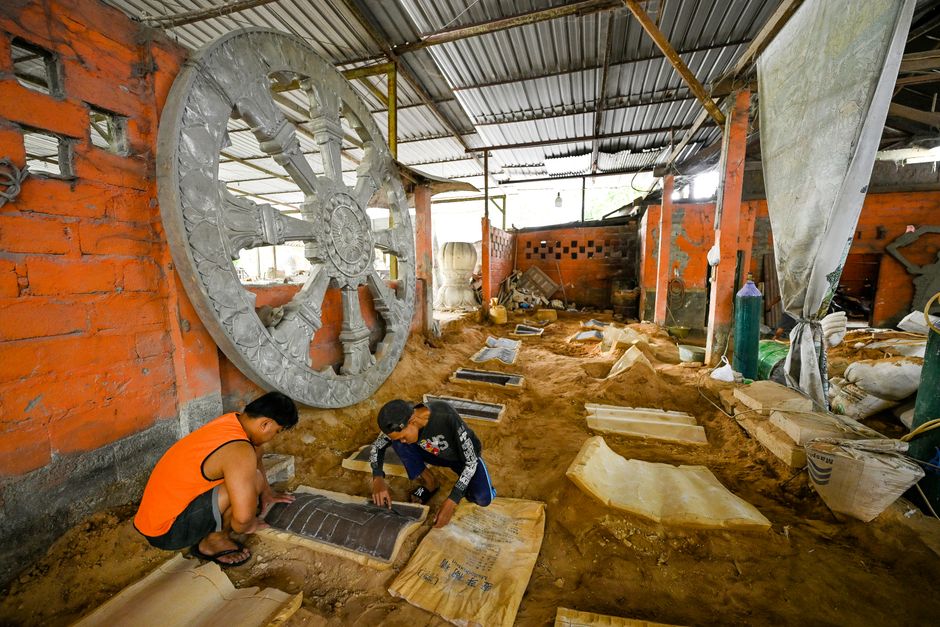
Photo by kevin yung on Pexels
Enculturation is a specific type of socialization that focuses on learning your own culture's specific ways. While socialization is broader (learning to be a member of society), enculturation is about learning to be a member of your specific cultural group. It involves absorbing traditions, language, rituals, symbols, and ways of thinking that are unique to your heritage. For example, learning your family's specific holiday traditions or the specific dialect spoken in your region are acts of enculturation.
- Key difference: All enculturation is socialization, but not all socialization is enculturation. You can be socialized into a new workplace culture (secondary socialization) without it being your original cultural heritage.
How Identity is Formed

Photo by Ann H on Pexels
Your identity is your sense of self – who you are, what you value, and where you fit in the world. It's not fixed; it's dynamic and develops through your interactions with others and your interpretation of those interactions. Socialization and enculturation are central to this.
- Social Identity: This comes from the groups you belong to (e.g., gender, nationality, religion, profession). These groups provide you with a sense of belonging and influence your self-perception.
- Personal Identity: This is your unique combination of personality traits, beliefs, and experiences that distinguish you from others. While influenced by social factors, it's your individual sense of self.
- Reflected Appraisal: This is the idea that your self-concept is largely influenced by how you believe others see you. If others consistently treat you as intelligent, you're more likely to see yourself that way.
Here's how these concepts flow into shaping who you are:
graph TD
    A["Birth/Early Life"] --> B["Primary Socialization (Family)"];
    B --> C["Enculturation (Cultural Norms, Values, Language)"];
    C --> D["Secondary Socialization (School, Peers, Media)"];
    D --> E["Ongoing Social Interactions & Experiences"];
    E --> F["Formation of Social Identity (Group Belonging)"];
    E --> G["Formation of Personal Identity (Unique Self)"];
    F --> H["Developing Sense of Self/Identity"];
    G --> H;
    H --> I["(Identity is Dynamic & Evolving)"];
3. Worked Example
Imagine a child, Leo, born in Japan to Japanese parents.
- Primary Socialization: From birth, Leo's parents teach him to bow as a sign of respect, to use polite language (keigo), and to eat with chopsticks. He learns that taking shoes off at the entrance is a norm.
- Enculturation: As he grows, Leo participates in family rituals like visiting a shrine during New Year's, celebrating specific festivals like Tango no Sekku, and learning Japanese folk tales. He absorbs the cultural value of harmony (wa) and group cohesion over individual assertiveness.
- Secondary Socialization: When Leo goes to school, he learns to cooperate in group activities, follow classroom rules, and interact with peers according to social hierarchy (e.g., respecting older students). Later, through media, he might also be socialized into global trends like K-pop, adopting new music tastes and fashion.
- Identity Formation: Through all these experiences, Leo develops an identity as a Japanese boy. He sees himself as someone who values respect, community, and tradition (social identity). He might also develop a personal identity as "the quiet, artistic one" in his class, distinct from his friends, but still within the broader framework of his cultural upbringing. His understanding of "who Leo is" is a direct result of these intertwined processes.
4. Key Takeaways
- Socialization is the broad process of learning society's rules and how to behave.
- Enculturation is specifically about learning your own culture's unique ways, traditions, and values.
- Primary socialization, typically by your family, lays the foundation for your earliest understanding of the world.
- Secondary socialization occurs continuously as you encounter new groups and institutions throughout life.
- Identity formation is the development of your sense of self, shaped by both your social roles and unique experiences.
- Your identity includes both the groups you belong to (social identity) and your individual personality (personal identity).
- What you believe others think of you (reflected appraisal) significantly impacts your self-perception.
Common Mistakes to Avoid:
- Don't confuse socialization as only happening in childhood; it's a lifelong process.
- Don't use "socialization" and "enculturation" interchangeably; remember enculturation is culture-specific.
- Don't think identity is fixed; it's constantly evolving based on new experiences and roles.
- Don't assume identity is purely individual; it's deeply intertwined with social and cultural contexts.
5. Now Try It
For the next 15 minutes, reflect on one significant group you belong to (e.g., your family, a school club, a sports team, a religious community). List 3-4 specific norms, values, or behaviors you learned from that group. Then, explain how learning these things has shaped a part of your identity. For instance, if you learned teamwork in a sports club, how does that influence how you see yourself or interact with others now?
What success looks like: You'll have identified concrete examples of socialization/enculturation and clearly articulated their direct impact on at least one aspect of your personal or social identity.
Frequently asked about Socialization, Enculturation, and Identity Formation
Study this next
Get the full understanding culture, society, and political science curriculum
Clone the complete plan to your dashboard for unlimited AI-generated notes, practice quizzes, and a personalised revision schedule.
Save this course free