Foundations of Recreational Activities
From the hope 3/4 curriculum
TL;DR
Recreational activities are important for your physical, mental, and social well-being, offering benefits beyond just fun. They can be active or passive, and structured or unstructured, fitting various interests and needs. Understanding these foundations helps you choose activities that best contribute to a balanced and healthy lifestyle.
1. The Mental Model
Think of recreational activities as purposeful breaks from daily routines that refresh your mind and body. They're not just about "doing nothing" or "having fun," but about actively engaging in something that helps you recharge and develop. These activities are essential for a well-rounded life.
2. The Core Material
Recreational activities are voluntary engagements in your free time that provide pleasure, satisfaction, and personal growth. They're not work, though they can involve effort, and they're not chores, though they can have practical outcomes. The core idea is that you choose to do them because they benefit you.
Benefits of Recreational Activities

Photo by Yaroslav Shuraev on Pexels
Engaging in recreation has a wide range of positive impacts:
* Physical Health: Improves cardiovascular fitness, strengthens muscles, boosts endurance, and helps manage weight.
* Mental Health: Reduces stress, anxiety, and depression; enhances mood; improves cognitive function; and fosters a sense of accomplishment.
* Social Well-being: Creates opportunities for interaction, builds relationships, improves communication skills, and fosters community spirit.
* Personal Development: Builds self-esteem, develops new skills, encourages creativity, and provides avenues for self-expression.
Types of Recreational Activities
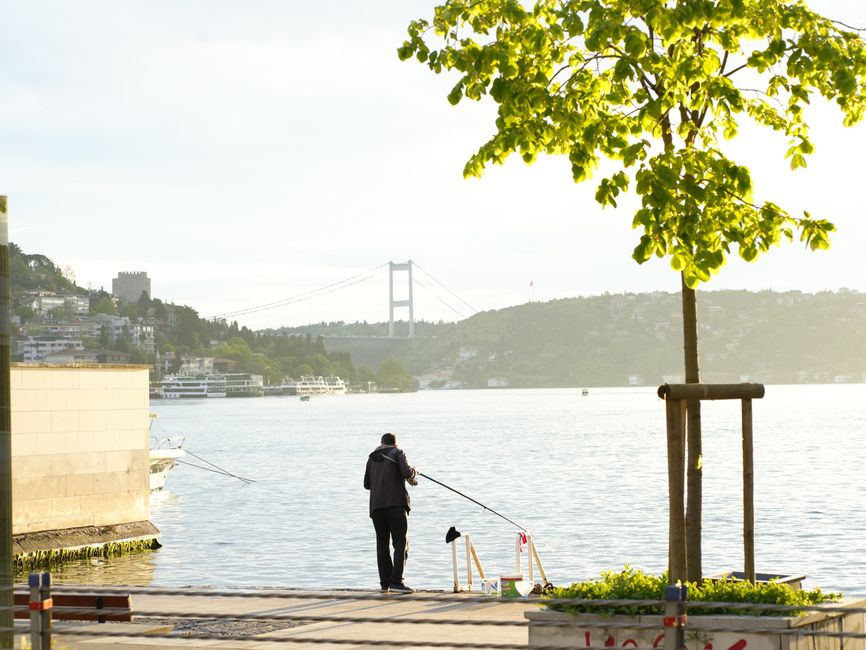
Photo by Ali Akdemir on Pexels
You can categorize recreational activities in several ways:
graph TD
    A["Recreational Activities"] --> B["Active"]
    A --> C["Passive"]

    B --> D["Outdoor (e.g., hiking, cycling)"]
    B --> E["Indoor (e.g., gym, team sports)"]

    C --> F["Solitary (e.g., reading, meditation)"]
    C --> G["Social (e.g., watching movies together, board games)"]
- Active vs. Passive:
- Active recreation involves physical exertion, like sports, hiking, or dancing.
- Passive recreation involves less physical exertion, like reading, watching a play, or listening to music.
- Structured vs. Unstructured:
- Structured activities have rules, schedules, and often organized settings, like joining a sports league or taking a dance class.
- Unstructured activities are spontaneous and flexible, like going for a walk in the park or playing a casual game with friends.
- Indoor vs. Outdoor: This refers to the environment where the activity takes place. Outdoor activities often connect you with nature, while indoor activities offer protection from weather and specific facilities.
Factors Influencing Participation

Photo by Miguel González on Pexels
Several factors can influence what recreational activities you choose and how often you participate:
* Personal Interests and Skills: You're more likely to enjoy and stick with activities you find engaging and where you feel competent.
* Time and Resources: Your schedule, financial situation, and access to facilities or equipment play a big role.
* Geographic Location: The natural environment (e.g., mountains, coastlines) and available local facilities dictate options.
* Social Support: Friends and family who participate can encourage your involvement.
* Health and Fitness Level: Your physical capabilities will guide your choices, especially for active recreation.
3. Worked Example
Let's say you're feeling stressed from school and spending a lot of time indoors studying. You decide you need a recreational activity to balance things out.
You consider the benefits you're looking for: stress reduction (mental), physical activity (physical), and perhaps some fresh air (mental/physical).
You look at the types of activities:
* Active/Outdoor: Hiking, cycling, gardening.
* Active/Indoor: Gym, yoga.
* Passive/Outdoor: Reading in a park.
* Passive/Indoor: Watching a movie, playing a board game.
Considering your current stress, an active outdoor option seems appealing. Hiking specifically checks several boxes: it's physical, gets you outdoors, and the scenery can be mentally refreshing.
You check your factors:
* Interests: You enjoy nature.
* Time: You have 2-3 hours free on Saturday morning.
* Resources: You own decent walking shoes and there's a park with trails nearby.
* Social Support: A friend is also looking for something to do.
Based on this, you decide to go for a 2-hour hike with your friend on Saturday. This choice aligns with your needs, available resources, and preferences, providing a clear example of how understanding these foundations helps you make informed recreational decisions.
4. Key Takeaways
- Recreational activities are voluntary and performed in your free time for pleasure and personal growth.
- They offer significant benefits across physical, mental, and social dimensions of your health.
- Activities can be broadly categorized as active or passive, and structured or unstructured.
- Your personal interests, available time, resources, and location heavily influence your recreational choices.
- Choosing the right activities helps reduce stress, improve mood, and build a more balanced lifestyle.
- Always consider what benefits you're seeking from an activity before you commit to it.
- Engaging in a variety of recreational activities can provide a more comprehensive set of benefits.
Common Mistakes to Avoid:
- Don't confuse "doing nothing" or "zoning out" as beneficial recreation; true recreation is often engaging.
- Don't feel pressured to choose only active or only social activities; a balance often works best.
- Avoid letting lack of time or resources stop you; even simple, free activities like walking can be highly beneficial.
- Don't stick to activities you no longer enjoy out of habit; be open to trying new things.
5. Now Try It
For the next 15 minutes, make a list of 3-5 recreational activities you currently do or would like to try. For each activity, identify whether it's primarily active or passive, and what specific physical, mental, or social benefits you gain or expect to gain from it.
Success looks like: You have a list where each activity is clearly labeled (e.g., "Reading (Passive): mental stimulation, stress reduction") and you can articulate at least one benefit for each.
Frequently asked about Foundations of Recreational Activities
Study this next
Get the full hope 3/4 curriculum
Clone the complete plan to your dashboard for unlimited AI-generated notes, practice quizzes, and a personalised revision schedule.
Save this course free