Foundations of Ethics
From the Ethics curriculum
TL;DR
Ethics helps us figure out what's right and wrong, guiding our actions and choices in life. It's built on different theories that explain where moral rules come from and how we should apply them. Understanding these foundations helps you critically evaluate moral dilemmas and make better decisions.
1. The Mental Model
Imagine ethics as a sturdy house. The foundation is made up of core theories that support all the rooms (different ethical problems) and decisions you make inside. Each theory offers a different way to build and maintain the structure of your moral compass.
2. The Core Material
At its heart, ethics is about asking fundamental questions: What is a good life? How should I act? What obligations do I have to others? To answer these, philosophers have developed several major theoretical frameworks. We'll focus on three primary ones:
2.1. Consequentialism (Outcome Matters Most)

Photo by ClickerHappy on Pexels
Consequentialist theories argue that the morality of an action is determined by its outcome or consequence. If an action leads to good results, it's considered ethical; if it leads to bad results, it's unethical.
The most famous form of consequentialism is Utilitarianism.
* Jeremy Bentham and John Stuart Mill were key figures.
* It states you should choose the action that produces the greatest good for the greatest number of people.
* "Good" is often defined as happiness, pleasure, or well-being, and "bad" as suffering or pain.
* It requires you to try and predict the outcomes of your choices.
2.2. Deontology (Duty Matters Most)

Photo by Brett Sayles on Pexels
Deontological theories, derived from the Greek word "deon" (duty), argue that the morality of an action is based on whether it adheres to a set of rules or duties, regardless of the outcome.
- Immanuel Kant is the most prominent deontologist.
- He believed in universal moral laws, or "categorical imperatives," that apply to everyone, everywhere, all the time.
- One key categorical imperative is: "Act only according to that maxim whereby you can at the same time will that it should become a universal law." In simpler terms, don't do anything you wouldn't want everyone else to do.
- Another is to treat humanity "always as an end and never merely as a means." This means you shouldn't use people solely to achieve your own goals; they have inherent worth.
2.3. Virtue Ethics (Character Matters Most)
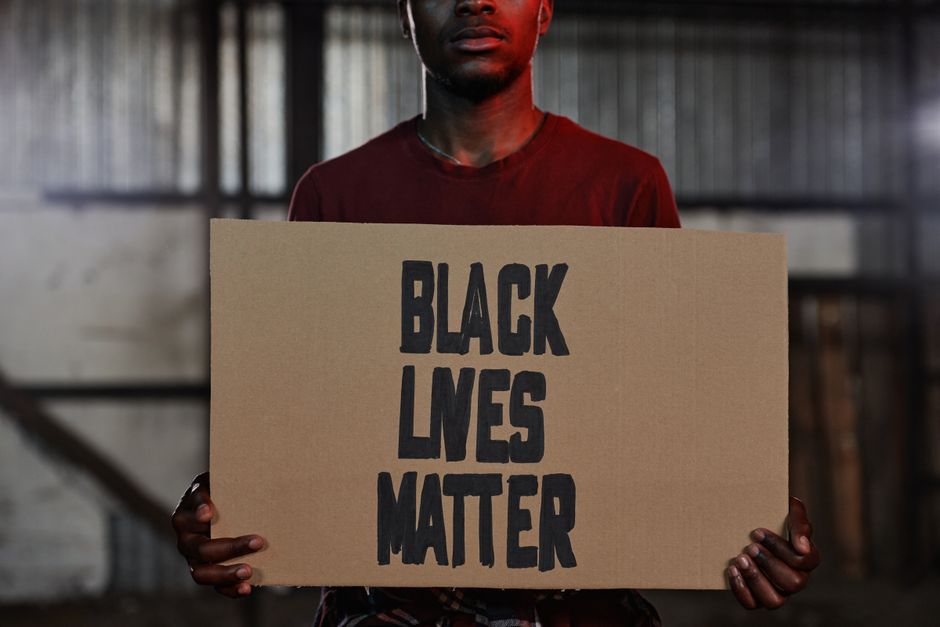
Photo by Mikael Blomkvist on Pexels
Virtue ethics focuses less on specific actions or consequences and more on the character of the moral agent. It asks: "What kind of person should I be?"
- Aristotle is the father of virtue ethics.
- It emphasizes developing good character traits, or "virtues" (like honesty, courage, compassion, justice), through practice and habit.
- An action is moral if a virtuous person would perform it.
- The "Golden Mean" is a core concept: virtues often lie between two extremes (e.g., courage is between cowardice and recklessness).
Here's how these ideas relate:
graph TD
    A["Foundations of Ethics"] --> B["Consequentialism (Outcomes)"]
    A --> C["Deontology (Duties/Rules)"]
    A --> D["Virtue Ethics (Character)"]

    B --> B1["Utilitarianism (Greatest good for greatest number)"]
    C --> C1["Kantian Ethics (Categorical Imperatives)"]
    D --> D1["Aristotle's Virtue Ethics (Cultivating virtues)"]
3. Worked Example
Let's say you're a doctor, and you have five patients who each need a different organ transplant to live. You also have a healthy patient who just came in for a routine check-up, whose organs happen to be a perfect match for all five.
-
Consequentialist (Utilitarian) Approach: A utilitarian might argue that sacrificing the healthy patient (one life) to save five lives would produce the greatest good for the greatest number. The outcome (five saved, one lost) outweighs the outcome of letting five die and one live.
-
Deontological (Kantian) Approach: A deontologist would strongly oppose this. Killing an innocent person, even to save others, violates a fundamental moral duty (the duty not to murder). Furthermore, it treats the healthy patient as a mere means to an end (a source of organs), not as an end in themselves with inherent worth. The act itself is wrong, regardless of the potential positive outcome.
-
Virtue Ethics Approach: A virtue ethicist would consider what a virtuous doctor would do. A virtuous doctor embodies compassion, justice, and respect for human life. Sacrificing one patient would likely be seen as a violation of these virtues, as it would be unjust and disrespectful to the individual's inherent worth. A virtuous doctor would seek solutions that uphold all lives and respect ethical boundaries.
4. Key Takeaways
- Ethics is the study of moral principles that guide our behavior and choices.
- Consequentialism judges actions based on their outcomes, with Utilitarianism aiming for the greatest good for the greatest number.
- Deontology focuses on duties and rules, arguing some actions are inherently right or wrong regardless of consequences.
- Virtue ethics emphasizes developing good character traits and asks what a virtuous person would do.
- Each framework offers a different lens through which to analyze moral dilemmas.
- You'll often find these theories offer conflicting advice in complex situations.
5. Now Try It
Think about a time you had to make a difficult decision where there was no clear "right" answer. Describe the situation. Then, analyze your decision (or what you would do) using each of the three ethical frameworks we discussed: consequentialism, deontology, and virtue ethics. Did they lead you to the same conclusion, or different ones?
Success looks like: A clear description of your dilemma and a thoughtful paragraph for each framework, explaining how it would approach the situation and what action it might suggest, even if it contradicts your initial choice.
Frequently asked about Foundations of Ethics
Study this next
Get the full Ethics curriculum
Clone the complete plan to your dashboard for unlimited AI-generated notes, practice quizzes, and a personalised revision schedule.
Save this course free