Introduction to Technology and Livelihood Education (TLE)
From the tle curriculum
TL;DR
TLE is a subject that teaches you practical skills for everyday life and potential careers. It covers various areas like home economics, industrial arts, ICT, and agriculture. Learning TLE helps you become more self-sufficient and understand how to earn a living.
1. The Mental Model
Think of TLE as your toolkit for living. It provides you with hands-on skills that are useful at home, in the community, and for starting your own business or finding a job. It's about practical knowledge you can apply immediately.
2. The Core Material
TLE, or Technology and Livelihood Education, isn't just one subject; it's a broad field divided into several components. Each component focuses on developing specific practical skills and knowledge. The goal is to make you a well-rounded individual, capable of managing household tasks, creating things, understanding technology, or even growing food.
The Four Main TLE Components
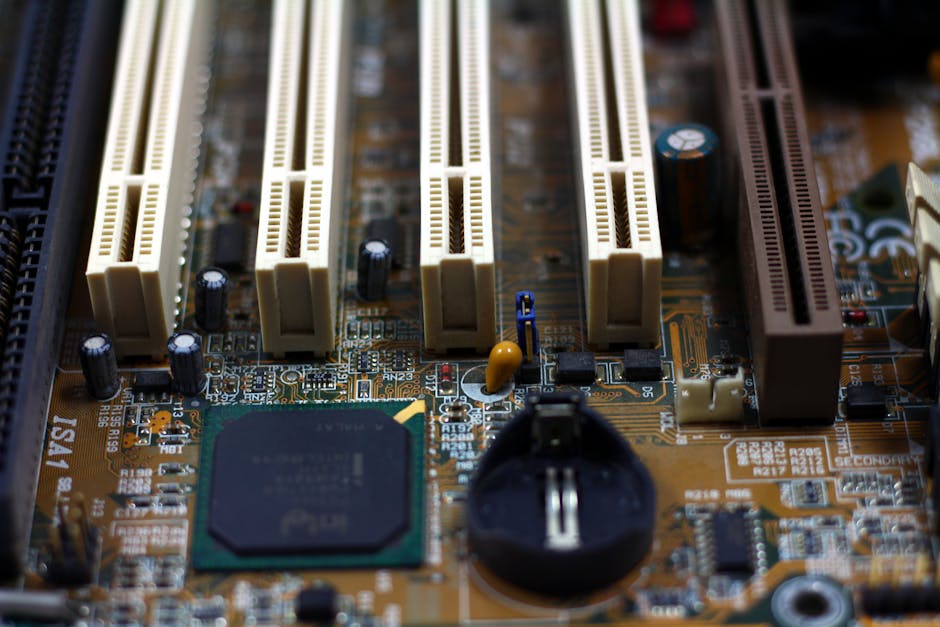
Photo by Valentine Tanasovich on Pexels
These are the primary areas you'll typically explore in TLE:
- Home Economics (HE): This deals with managing a household effectively. You'll learn about cooking, baking, nutrition, sewing, personal hygiene, managing finances, and even basic home repairs. It's all about making your home life more efficient and comfortable.
- Industrial Arts (IA): This component focuses on creating and repairing things using various tools and materials. Think carpentry, electrical wiring, automotive basics, drafting, and metalwork. It teaches you problem-solving through hands-on construction and repair.
- Information and Communication Technology (ICT): In today's digital world, ICT is crucial. This part of TLE teaches you about computer applications, internet safety, basic programming, graphic design, and even computer troubleshooting. It equips you with essential digital literacy skills.
- Agriculture and Fishery Arts (AFA): This area covers the basics of farming and fishing. You'll learn about planting crops, raising animals, aquaculture (fish farming), pest control, and understanding agricultural technologies. It's about sustainable food production and management.
These components aren't isolated; they often overlap. For example, budgeting skills from Home Economics can be applied to starting a small business in Industrial Arts.
Here's how these areas typically relate:
graph TD
    A["TLE (Overall Subject)"] --> B["Home Economics (HE)"]
    A --> C["Industrial Arts (IA)"]
    A --> D["Information and Communication Technology (ICT)"]
    A --> E["Agriculture and Fishery Arts (AFA)"]

    B --> B1["Cooking & Nutrition"]
    B --> B2["Sewing & Dressmaking"]
    B --> B3["Housekeeping & Budgeting"]

    C --> C1["Carpentry & Woodwork"]
    C --> C2["Electrical Installation"]
    C --> C3["Automotive Basics"]

    D --> D1["Computer Applications"]
    D --> D2["Internet & Digital Literacy"]
    D --> D3["Basic Graphics/Web"]

    E --> E1["Crop Production"]
    E --> E2["Animal Raising"]
    E --> E3["Aquaculture"]
Why TLE is Important

Photo by Ann H on Pexels
TLE isn't just about learning skills; it's about developing an entrepreneurial mindset. You're learning skills that could directly lead to a small business, like baking cakes (HE), repairing electronics (ICT), making furniture (IA), or selling produce (AFA). It also fosters creativity, critical thinking, and self-reliance, making you better prepared for real-world challenges.
3. Worked Example
Let's say you're interested in Home Economics and your TLE class is covering basic meal preparation. You're tasked with preparing a simple, nutritious breakfast.
- Planning (HE - Budgeting/Nutrition): You'd first plan a balanced meal, like scrambled eggs with toast and a fruit smoothie. You'd consider the nutritional value and check the cost of ingredients if you had a budget.
- Preparation (HE - Cooking Skills): You'd gather your ingredients, use appropriate cooking tools (e.g., pan, spatula, blender), and follow safety procedures like washing your hands and using oven mitts if needed. You'd learn how to crack an egg, whisk it, and cook it to perfection.
- Presentation (HE - Food Styling): After cooking, you'd plate your meal appealingly. Maybe arrange the fruit slices nicely and ensure the toast is golden brown.
- Cleanup (HE - Housekeeping): Finally, you'd clean your workstation, wash the dishes, and store any leftover ingredients properly. This entire process covers practical skills from nutrition to hygiene and kitchen management.
4. Key Takeaways
- TLE provides practical, hands-on skills for daily life and potential careers.
- Its main areas are Home Economics, Industrial Arts, ICT, and Agriculture/Fishery Arts.
- TLE helps you become self-reliant, resourceful, and capable of managing household tasks.
- It fosters an entrepreneurial mindset by teaching skills that can lead to small businesses.
- Understanding TLE prepares you for real-world challenges and future employment.
Common Mistakes to Avoid:
- Don't dismiss TLE as less important than academic subjects; its practical skills are vital.
- Don't be afraid to try new skills, even if you think you're not good at them initially.
- Don't ignore safety procedures when working with tools or in the kitchen.
- Don't limit your learning to just one area; explore all components to broaden your skills.
5. Now Try It
Think about a simple task you do at home, like making your bed, preparing a snack, or fixing a minor issue like a loose screw. Identify which TLE component (Home Economics, Industrial Arts, ICT, or Agriculture/Fishery Arts) this task falls under. Then, write down three specific skills you use or could learn to do that task more effectively or efficiently. What success looks like: You've correctly categorized your task and listed practical, actionable skills related to a TLE component.
Frequently asked about Introduction to Technology and Livelihood Education (TLE)
Study this next
Get the full tle curriculum
Clone the complete plan to your dashboard for unlimited AI-generated notes, practice quizzes, and a personalised revision schedule.
Save this course free