Foundations of Sustainable Job Creation
From the sustainable job creation ems curriculum
TL;DR
Sustainable job creation focuses on building employment opportunities that last, benefit workers and communities, and respect the environment. It moves beyond short-term fixes to create quality jobs that improve livelihoods and contribute to long-term economic stability. This involves understanding what makes a job "good" and how different factors interact to support lasting employment.
1. The Mental Model
Think of sustainable job creation like planting a forest, not just a few trees. You're not just creating jobs; you're cultivating an ecosystem where quality jobs can thrive and grow naturally, providing ongoing benefits for everyone involved.
2. The Core Material
Creating sustainable jobs isn't just about hiring more people; it's about making sure those jobs are good for the long run and contribute positively to society and the environment. It involves looking at the bigger picture, not just immediate employment numbers.
What makes a job "sustainable"?

Photo by https://kaboompics.com/ on Pexels
A sustainable job offers decent work conditions, fair wages, opportunities for growth, and contributes to a resilient economy. It also considers environmental impact and social equity. It's not just a job; it's a good job that lasts.
Key Pillars of Sustainable Job Creation
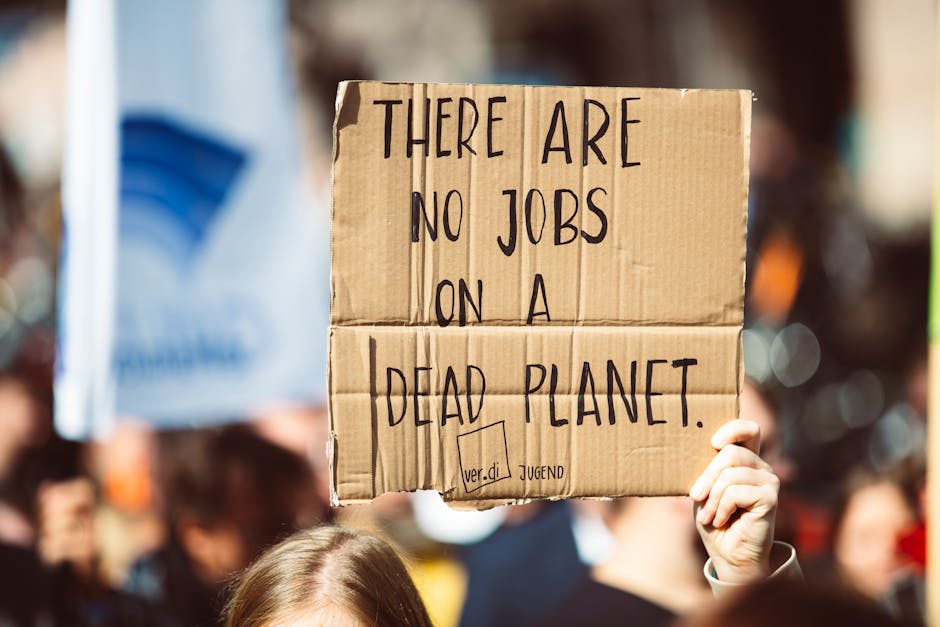
Photo by Markus Spiske on Pexels
There are several core areas you need to consider:
- Economic Viability: Can the business or sector supporting these jobs continue to thrive financially over time? This means looking at market demand, competitive advantage, and smart business models.
- Social Equity & Decent Work: Are jobs fair, safe, and inclusive? This involves fair wages, safe working conditions, social protection (like health benefits), opportunities for training, and respect for workers' rights. It also means actively promoting diversity and inclusion.
- Environmental Stewardship: Do the jobs and the industries creating them minimize negative environmental impacts and ideally contribute to environmental restoration? This includes resource efficiency, waste reduction, and adopting green technologies.
- Community Resilience: Do these jobs strengthen the local community? This involves local sourcing, community engagement, and contributing to local infrastructure and services.
- Innovation & Adaptability: Can the jobs and the skills required evolve with changing economic and technological landscapes? This means fostering continuous learning and embracing new ideas.
graph TD
    A["Sustainable Job Creation"] --> B["Economic Viability"];
    A --> C["Social Equity & Decent Work"];
    A --> D["Environmental Stewardship"];
    A --> E["Community Resilience"];
    A --> F["Innovation & Adaptability"];

    B --> B1["Market Demand"];
    B --> B2["Business Model"];
    B --> B3["Financial Sustainability"];

    C --> C1["Fair Wages & Benefits"];
    C --> C2["Safe Conditions"];
    C --> C3["Worker Rights"];
    C --> C4["Inclusion & Diversity"];

    D --> D1["Resource Efficiency"];
    D --> D2["Waste Reduction"];
    D --> D3["Green Technologies"];

    E --> E1["Local Sourcing"];
    E --> E2["Community Engagement"];
    E3["Local Infrastructure"];

    F --> F1["Skill Adaptability"];
    F --> F2["Technological Integration"];
    F --> F3["R&D Investment"];
The Role of Policy and Investment

Photo by SHOX ART on Pexels
Government policies play a huge role by creating an environment conducive to sustainable jobs. This can include:
* Incentives: Tax breaks or grants for businesses that hire locally, use green practices, or invest in worker training.
* Regulations: Ensuring fair labor practices and environmental protection.
* Education & Training: Aligning skills development with future job market needs, especially in green sectors.
* Infrastructure: Investing in sustainable infrastructure (e.g., renewable energy, public transport) that creates jobs directly and indirectly.
Private sector investment is also critical, especially impact investing, which aims for both financial returns and positive social/environmental impact.
3. Worked Example
Imagine a town whose main industry, a coal mine, is closing. A plan for sustainable job creation wouldn't just offer retraining for similar jobs elsewhere. Instead, it might focus on:
- Assessing local assets: What skills do the miners have that are transferable? What natural resources (e.g., strong winds, abundant sunlight) are available?
- Identifying emerging green industries: For example, wind turbine manufacturing or solar farm installation, which could utilize some existing heavy industry skills.
- Investing in targeted training: Partnering with local colleges to offer certifications in renewable energy tech installation, maintenance, or manufacturing.
- Attracting green businesses: Offering incentives for companies that set up wind turbine factories or solar panel assembly plants, ensuring they commit to fair wages and local hiring.
- Developing supporting infrastructure: Upgrading local power grids to handle renewable energy input, improving roads for transporting large turbine components.
- Ensuring social safety nets: Providing temporary income support or housing assistance during the transition period.
This approach creates not just jobs, but an entirely new, sustainable economic base for the community, replacing declining jobs with future-proof ones.
4. Key Takeaways
- Sustainable job creation isn't just about numbers; it's about the quality and longevity of employment.
- It integrates economic, social, and environmental considerations for holistic success.
- Innovation and adaptability are crucial for jobs to remain relevant in a changing world.
- Government policies and targeted investments are key enablers for creating the right environment.
- Sustainable jobs contribute to broader community resilience and well-being.
Common mistakes to avoid:
- Focusing only on short-term job creation figures without considering job quality or future viability.
- Ignoring environmental impacts in pursuit of immediate employment gains.
- Failing to involve local communities in the planning and execution stages.
- Not investing in necessary skills development for emerging sustainable sectors.
5. Now Try It
Choose an industry you know well (e.g., retail, manufacturing, tech, agriculture). Spend 15 minutes brainstorming three specific ways that industry could create more sustainable jobs, considering all five pillars (Economic Viability, Social Equity, Environmental Stewardship, Community Resilience, Innovation). For each idea, briefly explain why it's sustainable.
Frequently asked about Foundations of Sustainable Job Creation
Study this next
Get the full sustainable job creation ems curriculum
Clone the complete plan to your dashboard for unlimited AI-generated notes, practice quizzes, and a personalised revision schedule.
Save this course free