Economic Motives for European Exploration
From the AP US History curriculum
Economic Motives for European Exploration
TL;DR
European nations explored new lands primarily to acquire wealth, driven by mercantilism and the desire for valuable resources like gold, silver, and spices. They also sought new trade routes to Asia to bypass existing monopolies and reduce costs. This pursuit of riches and power profoundly shaped global history.
1. The Mental Model
Think of European exploration as a giant treasure hunt. Nations wanted to get rich and powerful, so they sent ships to find valuable resources and better trade routes to control global commerce.
2. The Core Material
When we talk about European exploration in the 15th and 16th centuries, economic motives were central. It wasn't just about curiosity; it was about power and profit.
Mercantilism
This was the dominant economic theory of the time. The idea was that a nation's wealth and power were measured by its store of gold and silver. To achieve this, a country needed to export more than it imported. Colonies were crucial to this system because they provided raw materials to the mother country, which would then process them into finished goods and sell them back to the colonies or other nations. This created a favorable balance of trade. You can think of it as a country trying to hoard as much money as possible.
Desire for New Trade Routes
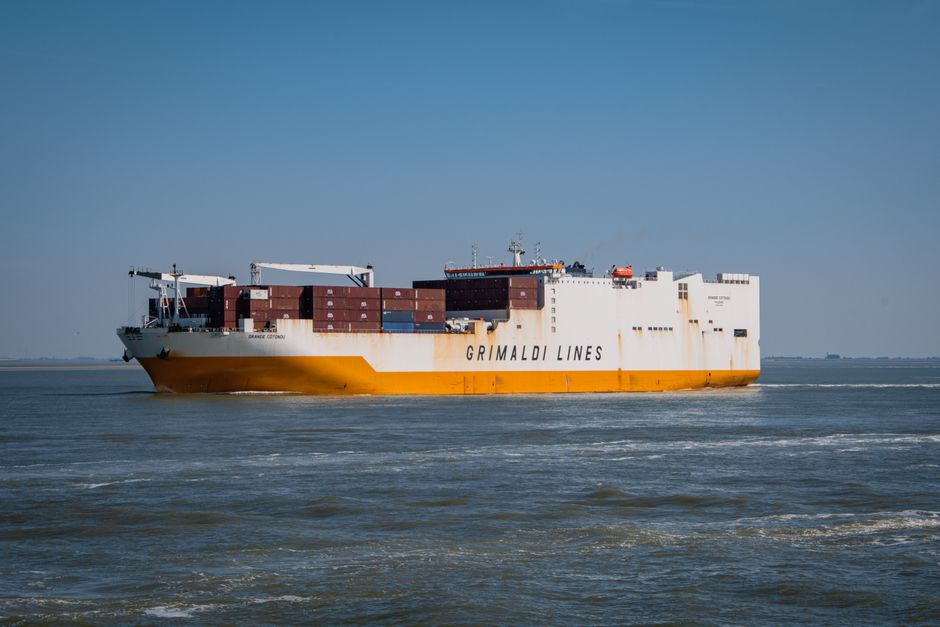
Photo by Fred dendoktoor on Pexels
Before exploration, trade with Asia (for highly desired goods like spices, silk, and porcelain) was controlled by Italian city-states and Arab merchants. These intermediaries made goods very expensive. European nations like Portugal and Spain wanted to find direct sea routes to Asia to cut out these middlemen, gain direct access to valuable goods, and increase their profits. This led them to sail west across the Atlantic or south around Africa.
Search for Precious Metals and Resources

Photo by Deb Hayes on Pexels
The legend of "gold in the streets" was a powerful motivator. Explorers were constantly looking for gold, silver, and other valuable minerals in new lands. The discovery of vast silver deposits in places like Potosí (in modern-day Bolivia) and gold in other parts of the Americas poured immense wealth into European coffers, particularly Spain's. Beyond metals, they sought new agricultural products and raw materials that could be exploited for profit.
graph TD
    A["Desire for Wealth & Power"] --> B["Mercantilism (Economic Theory)"]
    A --> C["Search for Valuable Resources"]
    A --> D["Need for New Trade Routes"]

    B --> E["Accumulate Gold & Silver"]
    B --> F["Favorable Balance of Trade"]
    C --> G["Gold, Silver, Spices, New Crops"]
    D --> H["Bypass Italian/Arab Monopolies"]
    D --> I["Direct Access to Asian Markets"]

    E --> J["Finance Wars & Royal Ambitions"]
    F --> J
    G --> J
    H --> J
    I --> J

    J["European Expansion & Colonization"]
3. Worked Example
Let's look at Spain's approach. After Christopher Columbus's voyages, Spain wasn't just interested in "discovering" new lands. Their primary motivation, heavily influenced by mercantilism, was to extract wealth. Think of Hernán Cortés and the Aztec Empire. When Cortés encountered the Aztecs in what is now Mexico, he wasn't there to establish a friendly trading post. He was after their gold and silver. The Spanish conquered the empire, plundered its riches, and then established mines to extract more precious metals. This silver and gold then flowed back to Spain, significantly increasing the Spanish Crown's wealth and power, allowing them to fund wars and expand their influence across Europe.
4. Key Takeaways
- European exploration was fundamentally driven by the pursuit of economic gain and increased national power.
- Mercantilism was the guiding economic principle, emphasizing a nation's wealth in gold and silver, and the role of colonies in providing raw materials.
- The desire for direct, cheaper trade routes to Asia for spices and other luxury goods was a major catalyst for oceanic voyages.
- The discovery and exploitation of gold, silver, and other resources in the Americas dramatically enriched European nations, especially Spain.
- Economic competition among European powers fueled further exploration and colonization efforts.
- Colonization was a direct consequence of these economic motives, aiming to secure resources and markets.
-
This economic drive led to the rise of global trade networks and profound changes for indigenous populations.
-
Common mistakes to avoid:
- Thinking exploration was primarily for scientific discovery or religious conversion (while present, economic motives were often paramount).
- Underestimating the role of mercantilism as the economic framework guiding these actions.
- Forgetting that the "new" world offered not just gold but also new crops and raw materials for exploitation.
- Believing European powers collaborated; they were fierce economic rivals.
5. Now Try It
Imagine you're an advisor to Queen Elizabeth I of England in the late 16th century. Draft a short memo (about 5-7 sentences) arguing for funding a new expedition to North America, focusing only on the economic benefits England could gain.
Success looks like: Your memo clearly outlines specific economic advantages like raw materials, new trade opportunities, or ways to increase England's wealth under a mercantilist framework, without mentioning religious freedom or scientific curiosity.
Frequently asked about Economic Motives for European Exploration
Study this next
Get the full AP US History curriculum
Clone the complete plan to your dashboard for unlimited AI-generated notes, practice quizzes, and a personalised revision schedule.
Create Free Account