Religious Motives for European Exploration
From the AP US History curriculum
Religious Motives for European Exploration
TL;DR
European exploration was significantly driven by a desire to spread Christianity and counter Islamic influence. Explorers and monarchs believed they had a divine mission to convert "heathens" and gain religious glory. This religious zeal often justified the colonization and exploitation of new lands and peoples.
1. The Mental Model
Think of it this way: for many Europeans in the 15th and 16th centuries, God was at the center of everything. Spreading their faith wasn't just a good idea; it was a sacred duty tied to their identity and salvation.
2. The Core Material
Religious motivations played a huge role in why European powers, especially Spain and Portugal, embarked on risky voyages across the oceans. It wasn't just about gold and glory; it was also about God.
A. The Crusading Spirit Lives On

Photo by Anastasia Lashkevich on Pexels
Even after the medieval Crusades ended, the idea of spreading Christianity and fighting "infidels" (non-Christians, particularly Muslims) remained strong in Europe. The Reconquista in Spain, which expelled the Moors (Muslims) from the Iberian Peninsula, finished just as Columbus set sail in 1492. This success fueled a belief that God was on their side and that their religious mission should continue across the globe. You can see this crusading zeal directly influencing the exploration period.
B. Spreading Catholicism
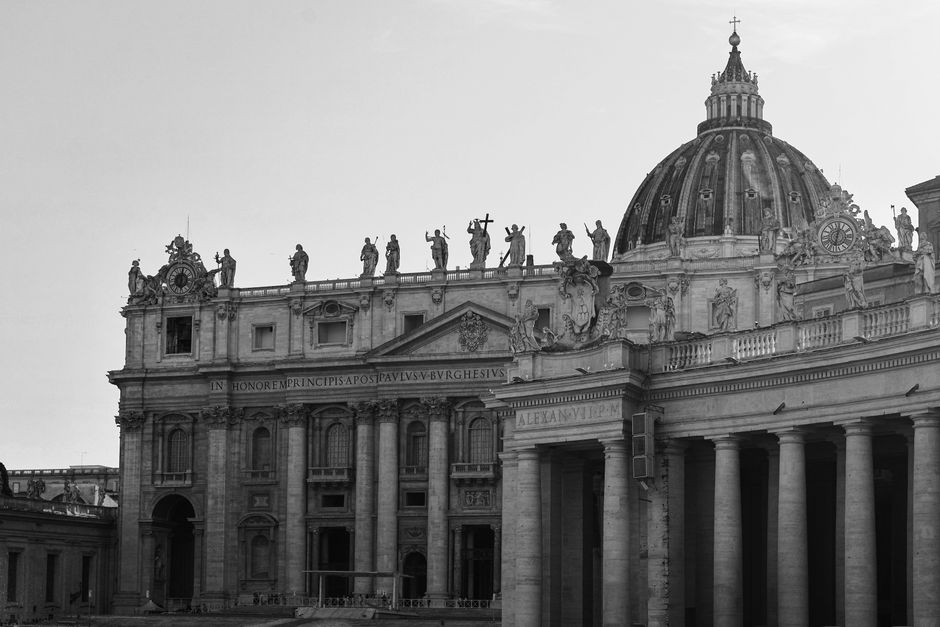
Photo by C1 Superstar on Pexels
The Catholic Church was incredibly powerful. Popes actively encouraged exploration and granted special rights to monarchs (like in the Treaty of Tordesillas) in exchange for their commitment to evangelize new lands. Many explorers genuinely believed they were doing God's work by bringing Christianity to indigenous populations. This meant converting people, building churches, and establishing missions.
C. Countering Islam

Photo by Tayeb MEZAHDIA on Pexels
The Ottoman Empire (Muslim) was a major rival to Christian Europe. As the Ottomans controlled key trade routes to Asia, Europeans sought new sea routes, partly to bypass their control but also to find new allies and resources in a broader religious struggle. Some even dreamed of finding the mythical Christian kingdom of Prester John to form an alliance against the Ottomans.
D. Justification for Conquest

Photo by Fernando Cortés on Pexels
Religious motives also provided a powerful justification for colonization and the subjugation of indigenous peoples. Europeans often viewed non-Christian cultures as "savage" or "uncivilized" and believed that converting them to Christianity was a benevolent act, even if it involved force or destruction of native traditions. This idea, known as the "divine right" to conquer, helped ease any moral qualms about taking land and resources.
graph TD
    A["Reconquista (Spain) finishes 1492"] --> B["Increased religious zeal & belief in divine mission"]
    B --> C["Motivations for European Exploration"]
    C --> D["Desire to spread Christianity (Catholicism)"]
    C --> E["Counter Islamic influence (Ottoman Empire)"]
    C --> F["Search for new trade routes (to bypass Ottomans)"]
    D --> G["Conversion of indigenous peoples"]
    G --> H["Establishment of missions & churches"]
    D & G --> I["Justification for colonization & subjugation"]
3. Worked Example
When Christopher Columbus first encountered indigenous peoples in the Caribbean, he wrote in his journal about their potential for conversion. He noted, "They are so ingenuous and free with all they have, that no one would believe it who has not seen it... they would make fine servants... and could be made Christians very easily." This quote clearly shows his immediate assessment of their spiritual state and his belief that they were ripe for conversion, linking exploration directly to the religious goal of spreading Christianity. This wasn't a secondary thought; it was a primary driver for him and his sponsors, like Queen Isabella of Spain.
4. Key Takeaways
- European exploration was significantly fueled by a deep-seated religious desire to spread Christianity.
- The success of the Spanish Reconquista encouraged further religious expansion overseas.
- The Catholic Church actively supported exploration, often granting monarchs rights in exchange for evangelization.
- Countering the influence of the Islamic Ottoman Empire was a key geopolitical and religious aim.
- Religious motives provided a strong justification for the colonization and often brutal subjugation of indigenous populations.
- Explorers often genuinely believed they were performing God's work by converting "heathens."
- The "Three G's" of exploration – Gold, Glory, and God – were interconnected, not isolated.
Common Mistakes to Avoid:
- Don't assume religious motives were the only reason; they were intertwined with economic and political ones.
- Don't downplay the sincerity of religious belief for many explorers and monarchs.
- Don't forget that "spreading Christianity" often meant forcibly converting people and destroying native cultures.
- Don't confuse the motivations of different European powers; Spain and Portugal were particularly driven by Catholicism.
5. Now Try It
Imagine you're an advisor to Queen Isabella of Spain in 1490. Write a short paragraph (3-5 sentences) persuading her to fund an expedition to the West, specifically emphasizing the religious benefits and divine glory she would achieve. What would success look like for her, from a religious perspective?
Frequently asked about Religious Motives for European Exploration
Study this next
Get the full AP US History curriculum
Clone the complete plan to your dashboard for unlimited AI-generated notes, practice quizzes, and a personalised revision schedule.
Create Free Account