Introduction to Recreational and Leisure Management
From the recreational and leisure management curriculum
Introduction to Recreational and Leisure Management
TL;DR
Recreational and leisure management is all about planning, organizing, and leading activities and spaces people enjoy in their free time. It creates positive experiences, promotes well-being, and builds communities. This field balances participant needs with practical business aspects.
1. The Mental Model
Think of leisure management as orchestrating fun. You're the conductor, ensuring all parts—facilities, staff, programs, and participants—work together harmoniously to create enjoyable, meaningful experiences in people's free time.
2. The Core Material
Recreational and leisure management focuses on helping people enrich their lives through voluntary participation in activities they find enjoyable and refreshing. It's more than just providing a park or a gym; it's about understanding human needs for play, relaxation, and connection.
At its heart, this field involves:
2.1 Understanding Leisure
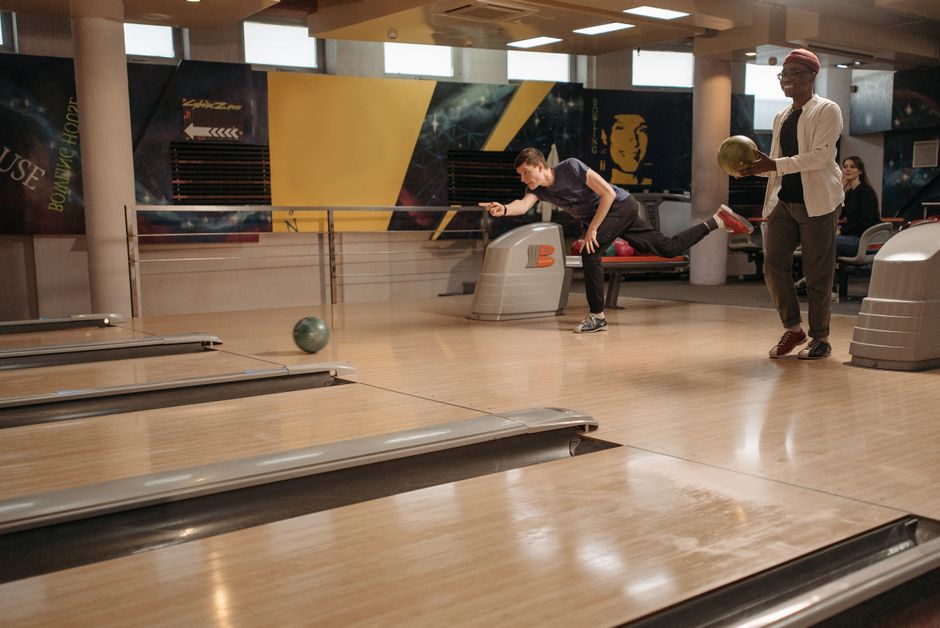
Photo by Pavel Danilyuk on Pexels
Leisure isn't just "free time"; it's time free from obligations, used for activities that are intrinsically motivating and provide satisfaction. It can be active (sports, hiking) or passive (reading, watching a movie).
2.2 Key Components of Management

Photo by Nic Wood on Pexels
Just like any management field, it includes:
* Planning: Deciding what programs or services to offer, setting goals.
* Organizing: Arranging resources like staff, facilities, and equipment.
* Leading: Motivating staff and volunteers, communicating vision.
* Controlling/Evaluating: Monitoring progress, ensuring quality, and making adjustments.
2.3 Types of Recreation and Leisure
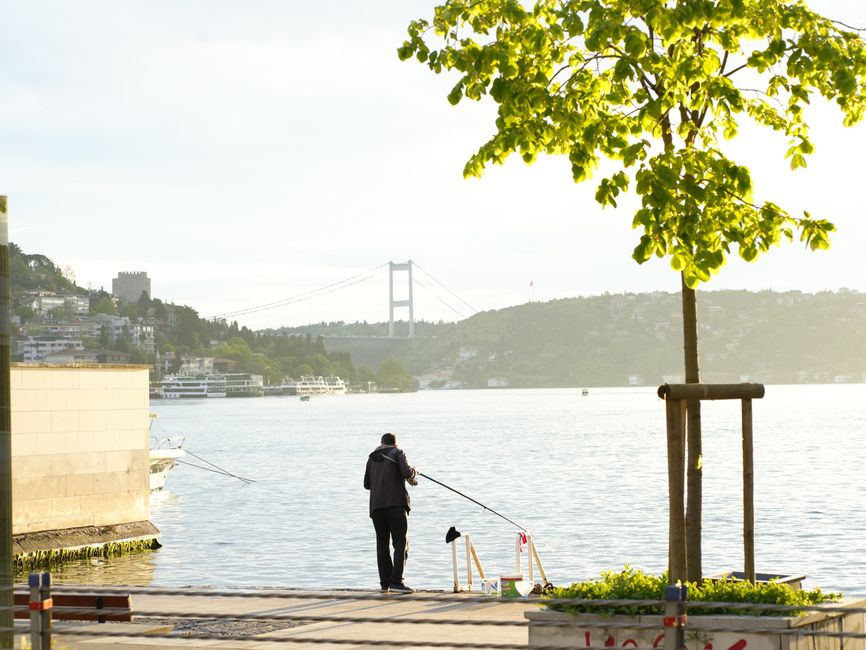
Photo by Ali Akdemir on Pexels
This field covers a huge range of activities:
* Outdoor Recreation: Camping, hiking, kayaking, fishing.
* Sports & Athletics: Team sports, individual fitness, competitive events.
* Arts & Culture: Music festivals, theater, art classes, historical tours.
* Social Activities: Community events, dances, clubs.
* Therapeutic Recreation: Using leisure activities for health and rehabilitation.
2.4 Why It Matters (Benefits)

Photo by Ann H on Pexels
Recreation and leisure provide significant benefits:
* Individual: Improved physical health, mental well-being, stress reduction, skill development.
* Community: Social cohesion, reduced crime, economic development (tourism), environmental stewardship.
* Economic: Job creation, increased property values, tax revenue from tourism and events.
Here's a look at how different aspects of this field connect:
graph TD
    A["Individual Needs & Interests"] --> B["Program Design"];
    A --> C["Facility Development"];
    B --> D["Resource Allocation"];
    C --> D;
    D --> E["Staffing & Training"];
    E --> F["Marketing & Promotion"];
    F --> G["Participant Engagement"];
    G --> H["Experience Delivery"];
    H --> I["Evaluation & Feedback"];
    I --> A;
    I --> J["Community Impact"];
    H --> J;
    J --> A;
3. Worked Example
Imagine you're managing a local community center. You notice declining participation in your senior fitness classes and feedback suggests they're too generic.
- Planning: You decide to revamp the senior program. Your goal is to increase participation by 20% in six months by offering more specialized classes.
- Organizing: You research popular senior-specific activities (e.g., chair yoga, gentle water aerobics). You then check facility availability (pool, multi-purpose room) and staff qualifications. You might need to train an existing instructor or hire a new one.
- Leading: You meet with your staff, explain the new vision for senior programs, and empower them to suggest new ideas. You inspire them about the positive impact these new programs will have.
- Controlling/Evaluating: You launch the new classes. After three months, you review attendance records, conduct short surveys with participants, and hold a focus group. If chair yoga is booming but water aerobics is struggling, you investigate why and adjust—maybe change the time, offer a different instructor, or promote it more effectively. This continuous loop ensures your programs stay relevant and successful.
4. Key Takeaways
- Recreation and leisure management focuses on delivering enriching free-time experiences.
- It involves standard management functions: planning, organizing, leading, and controlling.
- The field encompasses a wide array of activities, from outdoor adventures to cultural events.
- Successful management balances participant satisfaction with operational and financial sustainability.
- Benefits extend beyond individuals to positively impact entire communities and local economies.
- Understanding intrinsic motivation is key to designing compelling recreational programs.
Common Mistakes to Avoid
- Ignoring participant feedback: Programs quickly become irrelevant if you don't listen to what people want.
- Underestimating resource needs: Not enough staff, equipment, or facility time can cripple a program.
- Failing to market effectively: Even great programs won't succeed if no one knows about them.
- Short-sighted planning: Focusing only on immediate events without considering long-term community needs or trends.
5. Now Try It
Think about a recreational activity you enjoy (e.g., playing a sport, visiting a park, attending a concert). Break down the "management" aspects involved in making that experience possible for you and others. Who planned it? What resources were organized? How was your participation encouraged? What made it a good experience?
Success looks like: Identifying at least three distinct management functions (like planning, organizing, or marketing) and specific examples of how they contributed to your enjoyable experience, even if you weren't consciously thinking about them at the time.
Frequently asked about Introduction to Recreational and Leisure Management
Study this next
Get the full recreational and leisure management curriculum
Clone the complete plan to your dashboard for unlimited AI-generated notes, practice quizzes, and a personalised revision schedule.
Create Free Account