Cellular Composition: Lipids, Proteins, and Nucleic Acids
From the genetic curriculum
Cellular Composition: Lipids, Proteins, and Nucleic Acids
TL;DR
Cells are the fundamental units of life, and their structure and function depend on three major organic molecules: lipids, proteins, and nucleic acids. Lipids are for energy storage and cell membranes, proteins do most of the cell's work, and nucleic acids store and transmit genetic information. Understanding these molecules is key to grasping how life works.
1. The Mental Model
Think of a cell as a tiny, bustling city. Lipids are like the city's walls and energy reserves, proteins are the workers and machinery, and nucleic acids are the city's blueprints and instruction manuals.
2. The Core Material
You know that all living things are made of cells. But what are cells made of? At their most basic, cells are built from a few key types of organic molecules: lipids, proteins, and nucleic acids. These molecules aren't just floating around; they have specific structures that allow them to perform vital roles.
Lipids: The Cell's Boundaries and Energy Stores
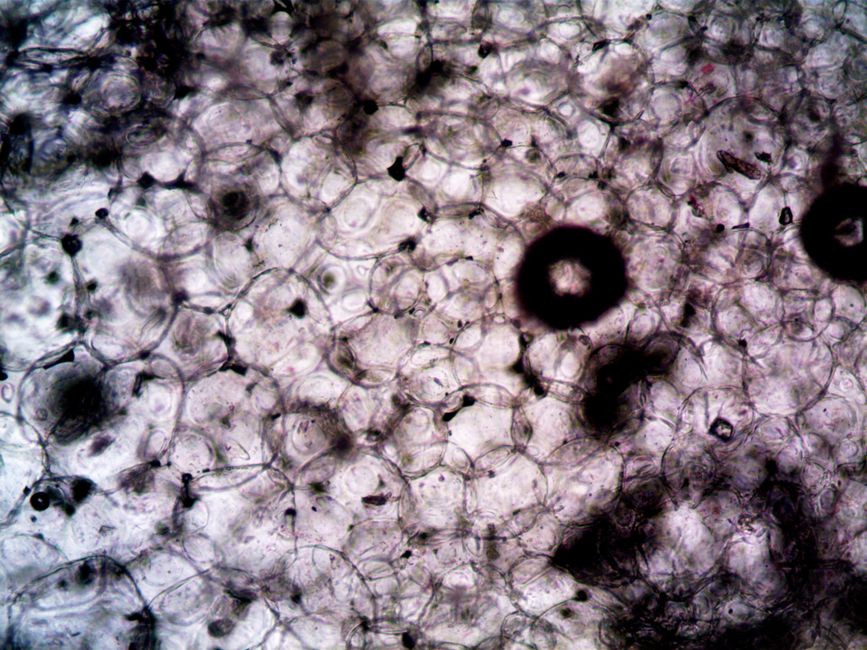
Photo by turek on Pexels
Lipids are a diverse group of molecules, but they all share one key characteristic: they're mostly hydrophobic, meaning they don't mix well with water. This property is crucial for their functions.
- Cell Membranes: The most important lipid in cells is the phospholipid. These molecules have a hydrophilic (water-loving) "head" and two hydrophobic (water-fearing) "tails." In water, phospholipids spontaneously arrange themselves into a phospholipid bilayer, forming the basic structure of all cell membranes. This bilayer creates a barrier, separating the inside of the cell from its environment and regulating what goes in and out.
- Energy Storage: Fats and oils are types of lipids. They're excellent for storing energy because they contain a lot of carbon-hydrogen bonds, which release a lot of energy when broken down.
- Signaling and Insulation: Other lipids act as hormones or provide insulation.
Proteins: The Cell's Workhorses

Photo by CDC on Pexels
Proteins are incredibly versatile molecules that perform almost all the work in a cell. They're polymers made of smaller units called amino acids, linked together by peptide bonds. There are 20 different common amino acids, and the specific order (sequence) of these amino acids determines a protein's unique 3D shape and, therefore, its function.
- Enzymes: Many proteins act as enzymes, which are biological catalysts that speed up chemical reactions without being consumed themselves. For example, digestive enzymes break down food.
- Structural Support: Proteins like collagen provide strength and support to tissues.
- Transport: Some proteins embedded in cell membranes transport substances in and out of the cell.
- Defense: Antibodies, which fight infections, are proteins.
- Movement: Muscle contraction relies on proteins like actin and myosin.
A protein's function is intimately tied to its shape. If a protein loses its correct shape (a process called denaturation), it usually loses its function.
graph TD
    AA1["Amino Acid 1"] --> AA2["Amino Acid 2"]
    AA2 --> AA3["Amino Acid 3"]
    AA3 --> AA_n["...Amino Acid n"]
    AA_n -- "Covalent bonds (peptide bonds)" --> Primary["Primary Structure (amino acid sequence)"]
    Primary -- "Hydrogen bonds" --> Secondary["Secondary Structure (alpha-helices, beta-sheets)"]
    Secondary -- "Hydrophobic interactions, disulfide bridges, ionic bonds" --> Tertiary["Tertiary Structure (3D folding of single polypeptide)"]
    Tertiary -- "Multiple polypeptides" --> Quaternary["Quaternary Structure (multiple folded polypeptides)"]
    Quaternary --> Function["Specific Protein Function"]
Figure 1: Levels of Protein Structure. The sequence of amino acids (primary structure) dictates how a protein folds into its functional 3D shape.
Nucleic Acids: The Cell's Information Carriers

Photo by Nicola Narracci on Pexels
Nucleic acids are the information-carrying molecules in cells. They store, transmit, and express genetic information. There are two main types:
- Deoxyribonucleic Acid (DNA): DNA is the genetic material in nearly all living organisms. It's a double-stranded helix, often compared to a twisted ladder. Each strand is made of repeating units called nucleotides. A nucleotide has three parts: a phosphate group, a five-carbon sugar (deoxyribose), and a nitrogenous base (Adenine, Guanine, Cytosine, or Thymine). The sequence of these bases forms the genetic code. DNA's primary job is to store all the instructions needed to build and maintain an organism.
- Ribonucleic Acid (RNA): RNA is typically single-stranded and has a slightly different sugar (ribose instead of deoxyribose) and a different base (Uracil instead of Thymine). RNA plays several crucial roles in "reading" and expressing the genetic information stored in DNA. For example, messenger RNA (mRNA) carries instructions from DNA to ribosomes, where proteins are made.
The flow of genetic information typically goes from DNA to RNA to protein, a concept known as the "central dogma" of molecular biology.
3. Worked Example
Let's imagine a single human gene that codes for insulin, a protein hormone.
- DNA Storage: The blueprint for insulin is stored in the DNA within the nucleus of a pancreatic cell. This specific DNA sequence is the insulin gene.
- Transcription (DNA to RNA): When the cell needs to make insulin, an enzyme uses the DNA gene as a template to create a complementary strand of messenger RNA (mRNA). This mRNA molecule now carries the instructions out of the nucleus.
- Translation (RNA to Protein): The mRNA travels to a ribosome. At the ribosome, transfer RNA (tRNA) molecules, each carrying a specific amino acid, "read" the mRNA sequence. They match their "anticodon" to the mRNA's "codon" (a three-base sequence). As the ribosome moves along the mRNA, it links the incoming amino acids together, forming a long chain.
- Protein Folding: This amino acid chain (the polypeptide) then folds into a precise 3D structure, guided by interactions between its amino acids, to become a functional insulin protein.
- Function: This insulin protein is then released into the bloodstream to help regulate blood sugar levels.
This example shows how nucleic acids (DNA and RNA) provide the instructions, and proteins (like insulin itself, and the enzymes involved in transcription/translation) perform the action based on those instructions.
4. Key Takeaways
- Lipids form cell membranes, store energy efficiently, and act as signaling molecules.
- Proteins are polymers of amino acids that perform most cellular functions, including catalyzing reactions, providing structure, and transporting substances.
- Nucleic acids (DNA and RNA) are information-carrying molecules; DNA stores genetic blueprints, and RNA helps express them.
- A protein's 3D shape is critical for its function; denaturation (loss of shape) leads to loss of function.
- The "central dogma" describes the flow of genetic information: DNA → RNA → Protein.
- These three molecule types work together in a highly coordinated way to maintain cell life.
Common Mistakes to Avoid:
- Confusing the roles of DNA and RNA; remember DNA is the master blueprint, RNA is the working copy.
- Thinking all lipids are just fats; phospholipids, steroids, and waxes are also lipids with diverse roles.
- Underestimating the importance of protein folding; the exact 3D shape is as crucial as the amino acid sequence itself.
- Forgetting that enzymes are a specific type of protein that speeds up reactions.
5. Now Try It
Take a specific cellular process you're familiar with, like muscle contraction or nutrient absorption in the gut. Describe how lipids, proteins, and nucleic acids are all involved in making that process happen. What would go wrong if one of these molecular types was missing or dysfunctional? Success looks like clearly articulating the role of each molecule type in the chosen process and identifying potential consequences of their absence or malfunction.
Frequently asked about Cellular Composition: Lipids, Proteins, and Nucleic Acids
More from genetic
Get the full genetic curriculum
Clone the complete plan to your dashboard for unlimited AI-generated notes, practice quizzes, and a personalised revision schedule.
Create Free Account