General Principles of Crude Drug Classification
From the phamacognosy curriculum
General Principles of Crude Drug Classification
TL;DR
You'll learn different ways to organize crude drugs, which are natural, unprocessed medicinal substances. This helps pharmacists and scientists understand their properties and uses better. We'll cover several classification methods, each with its own advantages and common applications.
1. The Mental Model
Think of classifying crude drugs like organizing your music collection. You could sort by artist (pharmacological), genre (morphological), album year (chemical), or even where you bought it (taxonomical). Each method helps you find what you need in a different way.
2. The Core Material
Classifying crude drugs isn't just about making lists; it's about creating logical systems that help us identify, study, and utilize these natural products effectively. There isn't one "best" way; the most suitable method often depends on your specific goal.
a. Alphabetical Classification

Photo by Tima Miroshnichenko on Pexels
This is the simplest method. Drugs are listed alphabetically by their Latin or common names.
* Pros: Easy to use for quick lookup.
* Cons: Doesn't tell you anything about the drug's properties, origin, or chemical nature.
* Example: Aconite, Belladonna, Cinchona, Digitalis.
b. Taxonomical (Botanical/Zoological) Classification

Photo by Sam McCool on Pexels
This method groups drugs based on the biological source organism's natural evolutionary relationships, following standard biological classification (Kingdom, Phylum, Class, Order, Family, Genus, Species).
* Pros: Scientifically precise, shows relationships between plants/animals. Useful for biodiversity studies.
* Cons: Doesn't indicate chemical constituents or therapeutic uses. A family might contain drugs with vastly different uses.
* Example: Cinchona (Family: Rubiaceae), Digitalis (Family: Plantaginaceae).
c. Morphological Classification
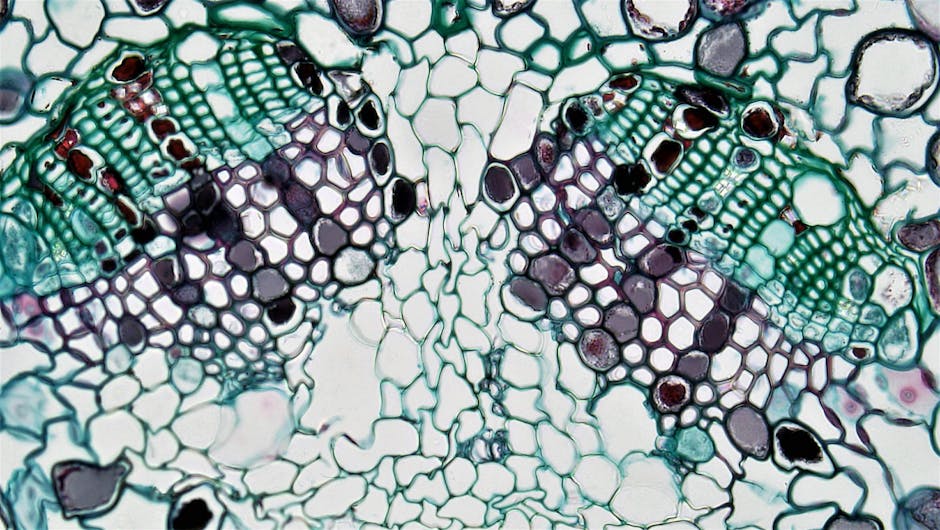
Photo by Fayette Reynolds M.S. on Pexels
Here, drugs are classified based on the part of the plant or animal used as medicine (e.g., leaves, roots, barks, flowers).
* Pros: Practical for identifying drugs visually, useful in herbarium or lab settings.
* Cons: Doesn't convey chemical or pharmacological information. Different parts of the same plant might have different chemicals and uses.
* Example: Leaves (Digitalis, Senna), Roots (Rauwolfia, Liquorice), Barks (Cinchona, Cinnamon).
d. Pharmacological (Therapeutic) Classification

Photo by ready made on Pexels
This is arguably the most clinically relevant method. Drugs are grouped by their therapeutic action or the disease they treat.
* Pros: Directly useful for practitioners looking for drugs with a specific effect.
* Cons: A single drug might have multiple actions, making it fit into several categories. Doesn't tell you about its origin or chemical makeup.
* Example: Cardiac Glycosides (Digitalis), Laxatives (Senna, Castor oil), Analgesics (Opium).
e. Chemical Classification
This method categorizes drugs based on the principal chemical constituents responsible for their medicinal activity (e.g., alkaloids, glycosides, tannins, volatile oils).
* Pros: Provides insight into the drug's chemical properties and potential therapeutic actions. Useful for quality control and extraction.
* Cons: Some drugs contain multiple active compounds from different chemical classes, making classification challenging.
* Example: Alkaloids (Opium, Cinchona), Glycosides (Digitalis, Senna), Volatile Oils (Peppermint, Clove).
f. Chemo-Taxonomical Classification
This is a more advanced approach that combines chemical classification with taxonomical principles. It recognizes that certain chemical constituents are characteristic of specific plant families or genera.
* Pros: Very powerful for predicting the presence of certain compounds in related species, aiding in drug discovery.
* Cons: Can be complex and requires detailed chemical and botanical knowledge.
graph TD
    A["Crude Drug Classification"] --> B["Alphabetical"]
    A --> C["Taxonomical (Botanical/Zoological)"]
    A --> D["Morphological"]
    A --> E["Pharmacological (Therapeutic)"]
    A --> F["Chemical"]
    A --> G["Chemo-Taxonomical"]

    B --> B1["Quick lookup"]
    C --> C1["Based on biological source"]
    D --> D1["Based on plant/animal part used"]
    E --> E1["Based on therapeutic action"]
    F --> F1["Based on chemical constituents"]
    G --> G1["Combines chemical & taxonomical"]
3. Worked Example
Let's take Digitalis purpurea (Foxglove) and classify it using different methods:
- Alphabetical: You'd find it under "D" for Digitalis.
- Taxonomical: It belongs to the Plantaginaceae family, within the Lamiales order, Dicotyledons class, Angiosperms phylum, and Kingdom Plantae.
- Morphological: The leaves of Digitalis purpurea are the part used for medicinal purposes.
- Pharmacological: It's classified as a Cardiac Glycoside because its primary action is to strengthen heart contractions.
- Chemical: Its main active constituents are Cardiac Glycosides like Digoxin and Digitoxin.
4. Key Takeaways
- Crude drug classification helps organize natural medicinal substances for study and use.
- Alphabetical classification is simple for quick reference but lacks scientific insight.
- Taxonomical classification uses biological relationships, good for scientific accuracy but not for use or chemistry.
- Morphological classification groups by the plant or animal part used, aiding visual identification.
- Pharmacological classification groups drugs by their therapeutic effects, which is very practical for clinical use.
- Chemical classification sorts drugs by their active compounds, essential for understanding their mechanism and quality.
-
Chemo-taxonomical classification integrates chemical and biological data for predictive power.
-
Don't confuse the source of a drug with its therapeutic action or chemical makeup.
- Avoid thinking one classification method is always superior; choose the method that fits your goal.
- Don't assume morphological similarity means chemical or pharmacological similarity.
5. Now Try It
Choose two common crude drugs you might know (e.g., Aloe, Peppermint, Opium, Cinnamon). For each drug, write down how it would be classified under at least three different methods (e.g., Taxonomical, Morphological, and Chemical or Pharmacological). What information does each classification give you that the others don't?
Success looks like: For each drug, you've correctly assigned it to three different categories, and you can briefly explain why each classification method is useful for that specific drug.
Frequently asked about General Principles of Crude Drug Classification
Study this next
Get the full phamacognosy curriculum
Clone the complete plan to your dashboard for unlimited AI-generated notes, practice quizzes, and a personalised revision schedule.
Create Free Account