The Home Front: Societal Changes and Civilian Contributions
From the WW1 curriculum
The Home Front: Societal Changes and Civilian Contributions
TL;DR
During WW1, the "Home Front" refers to the civilian population's critical role and experiences while soldiers fought abroad. This period saw profound shifts in society, particularly for women, and huge civilian contributions in industry and rationing. These changes reshaped nations, demonstrating that modern warfare involved everyone, not just the military.
1. The Mental Model
Think of the Home Front as the "support team" for the soldiers. While battles raged far away, people at home drastically changed their lives to keep the war effort going and dealt with its consequences daily.
2. The Core Material
When we talk about the Home Front in WW1, we're focusing on how the war impacted everyday life for civilians and the crucial roles they played. It wasn't just about the soldiers fighting; it was about entire nations mobilising their people and resources.
2.1 Economic Transformation
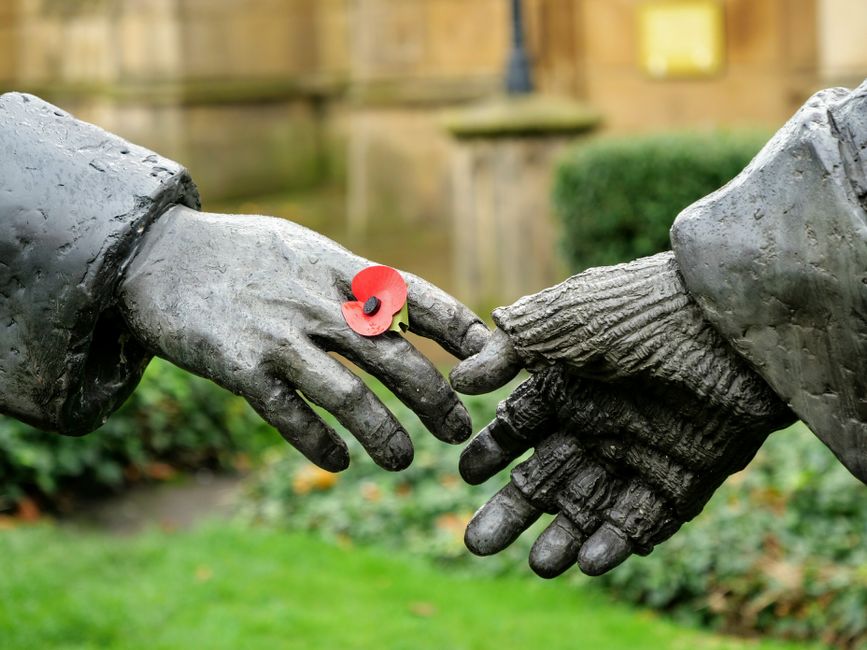
Photo by Mike Norris on Pexels
The war demanded massive production of weapons, ammunition, and supplies. This led to:
- Government Control: Governments took a much larger role in the economy, directing industries to war production. Factories that once made cars might now make tanks.
- Industrial Boom: While some traditional industries struggled, war-related industries boomed, creating new jobs and changing manufacturing landscapes.
- Resource Scarcity & Rationing: Shipping lanes were dangerous, and resources were diverted to the military. This led to shortages of everyday goods like food, fuel, and clothing. Governments introduced rationing systems to ensure fair distribution and prevent hoarding. People had ration books and could only buy limited amounts of certain items.
2.2 Societal Shifts: The Role of Women

Photo by EqualStock IN on Pexels
Perhaps the most significant societal change was the dramatic shift in women's roles. With millions of men away fighting, women stepped into jobs previously considered male-only.
- New Employment Opportunities: Women worked in factories (often called "munitionettes" due to their work in munitions factories), on farms, as bus conductors, postal workers, and in administrative roles.
- Changing Perceptions: This visible and vital contribution challenged traditional views of women's capabilities and place in society. It directly contributed to the post-war women's suffrage movements in many countries.
- Volunteer Work: Beyond paid employment, women were at the forefront of volunteer efforts, knitting socks for soldiers, nursing, and running support services.
2.3 Propaganda and National Unity
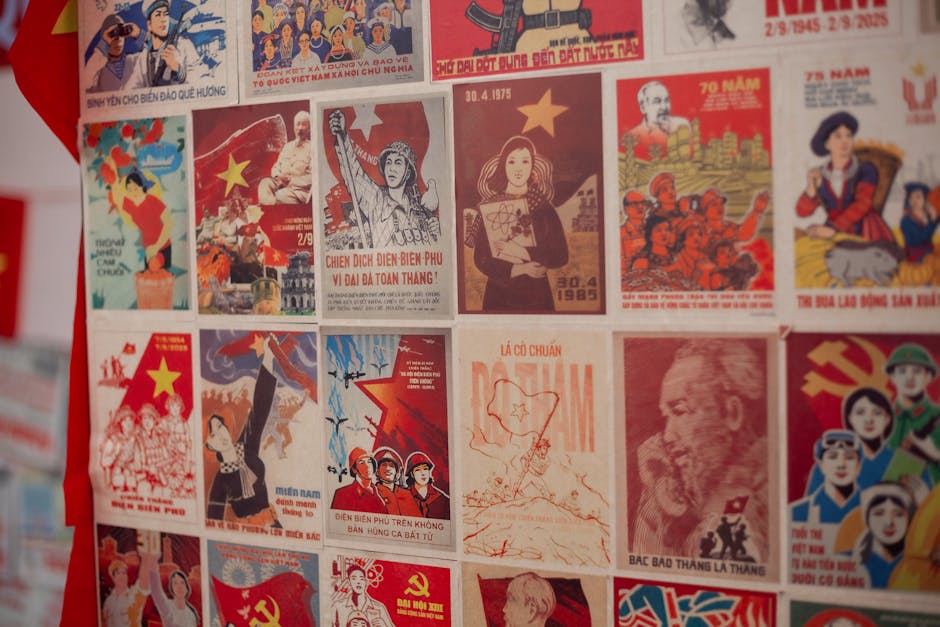
Photo by Hồng Thắng Lê on Pexels
Governments understood the importance of maintaining civilian morale and support for the war.
- Propaganda: Posters, newspapers, films, and speeches were used to encourage patriotism, recruit soldiers, demonise the enemy, and promote war bonds.
- Censorship: Information was often controlled, and news from the front was carefully managed to maintain public support and prevent panic.
- National Unity: While not always perfect, there was a strong emphasis on national unity and collective effort. People were encouraged to "do their bit" for the war effort.
2.4 Civilian Hardship and Sacrifices

Photo by Hosny salah on Pexels
Life on the Home Front wasn't easy.
- Bereavement: Millions of families experienced the loss of loved ones.
- Air Raids: For the first time, civilians faced the threat of aerial bombing, particularly in Britain from German zeppelins and later planes.
- Economic Strain: Even with rationing, food prices rose, and the quality of life often decreased. People were encouraged to grow their own food ("Victory Gardens").
- Psychological Impact: The constant stress of war, uncertainty, and grief took a heavy toll on mental health.
graph TD
    A["WW1 Begins (1914)"] --> B["Men Enlist/Are Conscripted"];
    B --> C1["Labor Shortages Emerge"];
    C1 --> D1["Women Enter New Industries"];
    C1 --> D2["Children and Elderly Also Contribute"];
    D1 --> E1["Challenged Gender Norms"];
    D2 --> E2["Increased National Production"];
    B --> C2["Increased Demand for War Goods"];
    C2 --> D3["Government Control of Industry"];
    C2 --> D4["Resource Scarcity & Inflation"];
    D3 --> E3["Factories Switch Production"];
    D4 --> E4["Rationing Introduced"];
    D4 --> E5["'Grow Your Own' Campaigns"];
    E1 --> F["Post-War Social Reforms (e.g., Suffrage)"];
    E2 --> G["Sustained War Effort"];
    E3 --> G;
    E4 --> G;
    E5 --> G;
    G --> H["WW1 Ends (1918)"];
3. Worked Example
Let's look at a specific example: Rationing in Britain during WW1.
By 1917, Germany's U-boat campaigns were severely impacting British shipping, leading to food shortages. Queues for basic foodstuffs became common, and prices soared. To address this, the government, which had initially been reluctant to intervene directly, introduced compulsory rationing.
- February 1918: Rationing for sugar, meat, butter, and margarine began.
- How it worked: Every person was issued a ration book with coupons. To buy a rationed item, you had to present your ration book, and the shopkeeper would cut out the corresponding coupon.
- Example Allowances (per week, per person, early 1918):
- Sugar: 8 oz (about 227 grams)
- Meat: 1 lb 3 oz (about 539 grams) – this could be reduced
- Butter/Margarine: 4 oz (about 113 grams)
- Impact: While it was a hardship, rationing helped ensure a more equitable distribution of scarce resources, preventing the rich from buying everything and the poor from starving. It also helped maintain public morale by demonstrating that everyone was sharing the burden. People learned to be resourceful, using substitutes and growing food in gardens and allotments.
4. Key Takeaways
- The Home Front refers to the civilian population's vital role and experiences during wartime.
- WW1 led to unprecedented government control over industry and resources to support the war effort.
- Women's roles in society dramatically changed, as they took on jobs traditionally done by men, significantly contributing to the war.
- Rationing was implemented to manage resource scarcity and ensure fair distribution of essential goods.
- Propaganda and censorship were used to maintain public morale and national unity.
- Civilians faced significant hardships, including bereavement, economic strain, and the threat of air raids.
- The Home Front's contributions were as critical to winning the war as military actions.
5. Now Try It
Imagine you're a government official in a country at war. Design a propaganda poster encouraging people on the Home Front to conserve food. Think about what message you'd convey, what imagery you'd use, and why it would motivate people.
Frequently asked about The Home Front: Societal Changes and Civilian Contributions
Study this next
Get the full WW1 curriculum
Clone the complete plan to your dashboard for unlimited AI-generated notes, practice quizzes, and a personalised revision schedule.
Create Free Account