Introduction to World War I & Pre-War Context
From the WW1 about the schilieffen plan and trench warfare curriculum
Introduction to World War I & Pre-War Context
TL;DR
World War I wasn't an accident; it stemmed from complex pre-war tensions, alliances, and aggressive military planning. The assassination of Archduke Franz Ferdinand was the spark, but deep-seated rivalries ignited the conflict. Understanding these origins is key to grasping the war's scale and impact.
1. The Mental Model
Think of Europe as a complex machine with many interconnected gears, some rusty and grinding against each other. One small, seemingly insignificant event could jam the entire system, leading to a catastrophic breakdown.
2. The Core Material
You're diving into the "why" of World War I. It wasn't just one thing, but a mix of long-term factors and immediate triggers. Let's break down the major forces at play before 1914.
2.1 The "MAIN" Causes

Photo by Anna Tarazevich on Pexels
Historians often use the acronym "MAIN" to remember the principal long-term causes:
- Militarism: This was an arms race, especially naval, between Germany and Britain. Countries built up massive armies and navies, believing strength equaled security. General staffs developed detailed war plans, like Germany's Schlieffen Plan, which we'll discuss later. This created a hair-trigger environment where mobilization often meant war.
- Alliances: Europe was tangled in a web of complex, often secret, alliances. The Triple Entente (Britain, France, Russia) and the Triple Alliance (Germany, Austria-Hungary, Italy) meant a conflict between two nations could quickly pull in many others. It was like a giant domino effect waiting to happen.
- Imperialism: European powers were competing globally for colonies and resources, particularly in Africa and Asia. This led to clashes and rivalries, intensifying tensions back home. For example, the Fashoda Incident between Britain and France, or German attempts to challenge French influence in Morocco.
- Nationalism: An intense pride in one's nation, often coupled with a desire for self-determination or dominance over other groups. This was particularly potent in the Balkans, where various ethnic groups (Serbs, Bosnians, Croats) under Austro-Hungarian and Ottoman rule sought independence, creating a powder keg.
2.2 The Spark: Assassination in Sarajevo

Photo by Gökhan Baykal on Pexels
On June 28, 1914, Archduke Franz Ferdinand, heir to the Austro-Hungarian throne, and his wife Sophie were assassinated in Sarajevo, Bosnia. The assassin, Gavrilo Princip, was a Serbian nationalist linked to the Black Hand, a secret society aiming to unite all South Slavs.
Austria-Hungary, seeing this as a direct attack on its empire and blaming Serbia, issued a harsh ultimatum. When Serbia didn't fully comply, Austria-Hungary declared war on July 28, 1914. This single event, combined with the pre-existing tensions and alliance systems, set off the chain reaction.
2.3 The Alliance System in Action
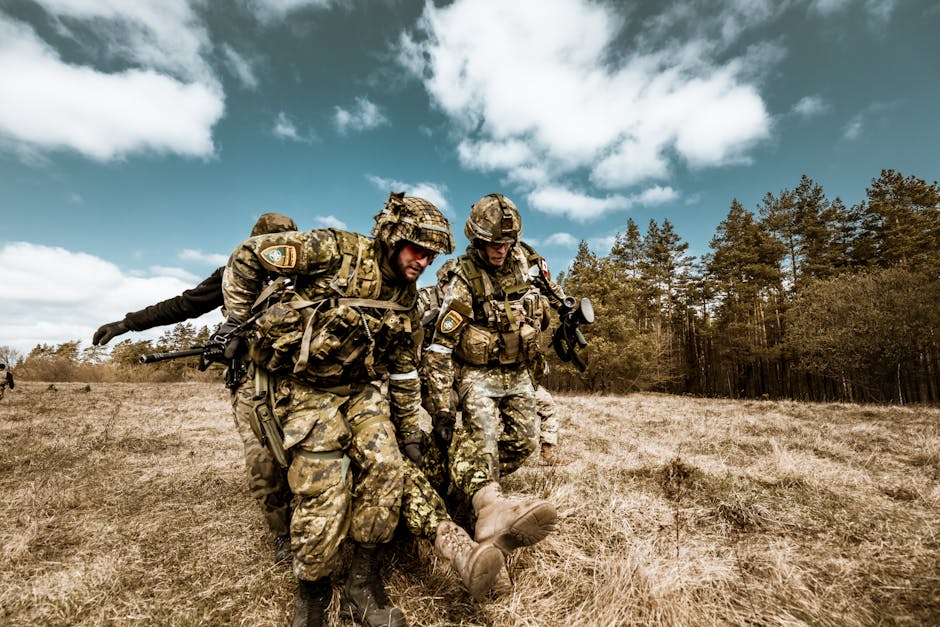
Photo by Art Guzman on Pexels
Here’s how the alliances pulled everyone into the conflict:
graph TD
    A["Assassination of Archduke Franz Ferdinand"] --> B["Austria-Hungary declares war on Serbia"];
    B --> C["Russia mobilizes to support Serbia"];
    C --> D["Germany declares war on Russia"];
    D --> E["Germany declares war on France (due to Franco-Russian alliance)"];
    E --> F["Germany invades Belgium (to get to France via Schlieffen Plan)"];
    F --> G["Britain declares war on Germany (to defend Belgium & France)"];
3. Worked Example
Let's look at a concrete example of how one "MAIN" cause, Militarism, influenced Germany's actions.
Germany, feeling encircled by France and Russia, developed the Schlieffen Plan over many years. This plan wasn't just a general idea; it was a highly detailed, rigid timetable for a two-front war. It stipulated that if Russia mobilized, Germany must immediately attack France first, through neutral Belgium, to defeat France quickly before Russia could fully mobilize its vast army. Then, German forces would turn east to face Russia.
The plan was so inflexible that once Russia began to mobilize in response to Austria-Hungary's declaration of war on Serbia, Germany felt it had to enact the Schlieffen Plan. Germany's military leaders prioritized the meticulous plan over diplomatic solutions, fearing that any delay would ruin their only chance at success. This meant invading Belgium, which violated its neutrality and brought Britain into the war, something that might have been avoidable without such a rigid military strategy.
4. Key Takeaways
- The four main long-term causes of WWI were Militarism, Alliances, Imperialism, and Nationalism (MAIN).
- A complex web of alliances meant a local conflict could quickly escalate into a widespread war.
- Intense nationalism, especially in the Balkans, created a volatile political environment.
- The assassination of Archduke Franz Ferdinand was the immediate trigger, not the sole cause, of the war.
- Militarism, particularly Germany's Schlieffen Plan, dictated rapid, often aggressive, military responses.
Common mistakes you should avoid:
- Don't think the assassination was the only reason for the war; it was the spark on a powder keg.
- Avoid seeing any single nation as solely responsible; blame is complex and shared.
- Don't underestimate the role of military planning (like the Schlieffen Plan) in pushing nations to war.
- Don't confuse the Triple Alliance with the Triple Entente; know who was on which side.
5. Now Try It
Imagine you're an advisor to a European leader in 1914. Given the MAIN causes and the alliance system, what two pieces of advice would you give your leader to try and prevent war after the assassination in Sarajevo, and why?
Success looks like: You've identified two concrete, plausible actions (e.g., diplomatic overtures, military restraint) and clearly linked them back to mitigating one or more of the MAIN causes or the alliance system.
Frequently asked about Introduction to World War I & Pre-War Context
Study this next
Get the full WW1 about the schilieffen plan and trench warfare curriculum
Clone the complete plan to your dashboard for unlimited AI-generated notes, practice quizzes, and a personalised revision schedule.
Create Free Account