Reading Comprehension and Cultural Context
From the Isizulu curriculum
TL;DR
To understand Isizulu texts deeply, you need to go beyond just words and grasp the cultural nuances embedded within. This means actively looking for how customs, beliefs, and history shape the meaning of what you read. By connecting the text to its cultural background, you'll unlock richer interpretations and improve your comprehension.
1. The Mental Model
Think of reading an Isizulu text not just as decoding words, but as listening to a conversation happening within a specific cultural "room." Your goal is to understand not just what is said, but why it's said that way, considering the cultural furniture and decorations of that room.
2. The Core Material
Reading comprehension in Isizulu, especially with cultural context, means you're trying to understand the writer's message fully by considering the Isizulu worldview. This isn't just about vocabulary and grammar; it's about connecting the dots to shared cultural knowledge.
Unpacking Cultural Context
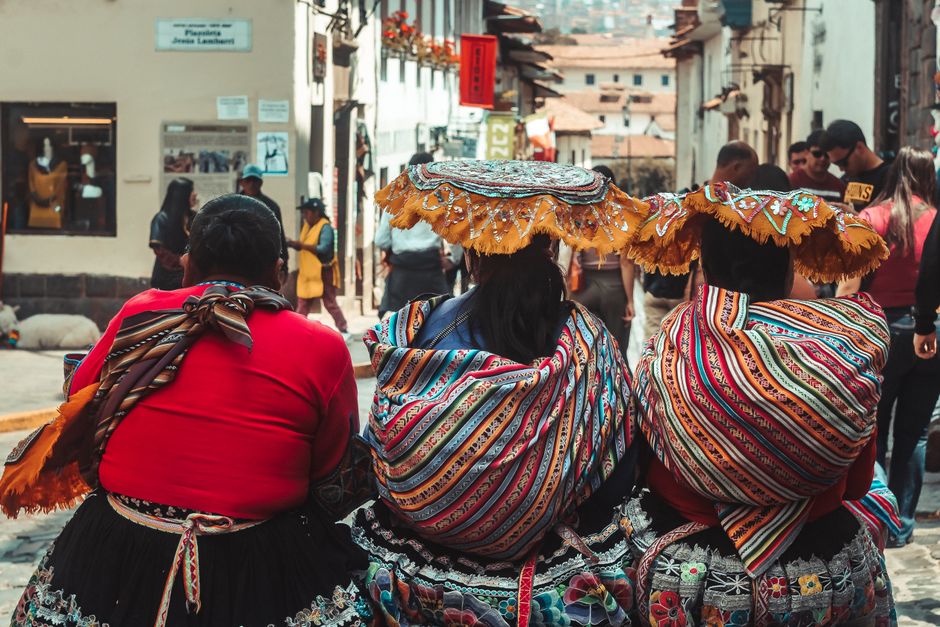
Photo by Omar Hernández on Pexels
Cultural context includes things like:
* Amasiko (Customs/Traditions): How do specific cultural practices influence character actions or story events?
* Izinkolelo (Beliefs): What traditional beliefs (e.g., ancestral spirits, good fortune) might be underlying a character's motivations or a narrative's outcome?
* Umlando (History): Are there historical events or figures that the text subtly references or is built upon?
* Izaga nezisho (Proverbs and Idioms): These are often rich with cultural meaning and can't be understood literally.
* Ukuhlonipha (Respect): How is respect shown or not shown? This is a huge part of Isizulu social interaction and often reflected in dialogue and actions.
Strategies for Deeper Comprehension

Photo by Annushka Ahuja on Pexels
- Look for clues within the text: Does the author explicitly mention a custom or belief? Do characters behave in ways that hint at underlying cultural values?
- Question implied meanings: If a character says or does something that seems unusual to you, consider if there's a cultural reason behind it. What isn't being said directly?
- Connect to prior knowledge: Think about any Isizulu customs, beliefs, or historical facts you already know. How do they relate to what you're reading?
- Use resources: Don't hesitate to look up unfamiliar proverbs (izaga) or cultural practices if they seem central to the text.
Here's a simple flow of how you can approach a text:
graph TD
    A["Read Text (Surface Level)"] --> B{"Encounter Unfamiliar Word/Phrase/Action?"}
    B -- Yes --> C["Is it an Isaga/Isisho (Proverb/Idiom)?"]
    C -- Yes --> D["Research/Recall Cultural Meaning"]
    C -- No --> E["Is it a Cultural Custom/Belief?"]
    E -- Yes --> D
    E -- No --> F["Is it a Historical Reference?"]
    F -- Yes --> D
    F -- No --> G["General Vocabulary/Grammar Issue"]
    G --> A
    D --> H["Integrate Cultural Insight"]
    H --> I["Deeper Comprehension Achieved"]
    B -- No --> I
3. Worked Example
Let's take a common Isizulu phrase and see how cultural context changes its meaning.
Text Snippet: "UThandi akaphumanga ngomnyango ngezinyo."
Literal Translation: "Thandi didn't go out through the door with a tooth."
If you only understand the literal words, this makes no sense. You might think Thandi lost a tooth, or was holding a tooth, but why relate that to leaving a door?
Applying Cultural Context:
1. Identify the unfamiliar/unusual: "ngomnyango ngezinyo" (through the door with a tooth) is strange.
2. Consider Izaga/Izisho: This looks like it might be an idiom.
3. Recall/Research: The idiom "ukuphuma ngomnyango ngezinyo" means to leave without saying goodbye, to slip away unnoticed, or to sneak out. The "tooth" refers to how quietly and unceremoniously one can leave, like a tooth falling out without much fanfare or noise.
4. Integrate Insight: Knowing this idiom changes the entire meaning. Instead of Thandi having a dental emergency at the door, the text means "Thandi snuck out" or "Thandi left without saying goodbye."
This example shows how a deep cultural understanding of idioms is crucial for accurate comprehension.
4. Key Takeaways
- Isizulu texts are rich with cultural meaning: Words often carry more than their literal definitions.
- Look beyond the dictionary: Many phrases, proverbs (izaga), and actions are culturally specific.
- Ancestral beliefs (Amadlozi) frequently influence narratives: Characters' decisions might stem from traditional spiritual views.
- Respect (Ukuhlonipha) is a core value: Its presence or absence in interactions can reveal character and plot.
- History shapes the present: Zulu historical events and figures can be referenced subtly.
- Idioms (Izisho) and proverbs (Izaga) are cultural shortcuts: Learn them to unlock deeper meanings.
- Active questioning enhances comprehension: Always ask "Why?" from a cultural perspective.
Common Mistakes to Avoid:
- Translating too literally: Don't assume every word or phrase has a direct, one-to-one equivalent in English.
- Ignoring context: Skipping over details that seem unusual might mean missing crucial cultural cues.
- Overlooking non-verbal cues: In narratives, character actions can be culturally loaded even without dialogue.
- Assuming universal values: What's considered polite or logical in one culture might be different in Isizulu culture.
5. Now Try It
Find a short Isizulu story or newspaper article (you can search online for "izindaba zesiZulu" or "izinganekwane zesiZulu"). Read it twice.
First read: Focus on getting the general gist and identifying any unfamiliar words or phrases.
Second read: This time, specifically look for elements that might have cultural significance. Ask yourself:
* Are there any proverbs (izaga) or idioms (izisho)?
* Do the characters' actions or dialogue reflect specific Isizulu customs (amasiko) or beliefs (izinkolelo)?
* Is there any hint of ukuhlonipha (respect) or its absence?
* Are there any references to historical events or figures (umlando)?
What success looks like: You should be able to identify at least two instances where understanding the cultural context clarifies or deepens your understanding of a sentence, a character's motivation, or the overall message of the text. Explain why that cultural insight was important for your comprehension.
Frequently asked about Reading Comprehension and Cultural Context
Study this next
Get the full Isizulu curriculum
Clone the complete plan to your dashboard for unlimited AI-generated notes, practice quizzes, and a personalised revision schedule.
Save this course free