Introduction to Indian Classical Dances
From the nata gk curriculum
Introduction to Indian Classical Dances
TL;DR
Indian classical dances are ancient, highly structured art forms rooted in Hindu religious traditions and scriptures. They combine intricate footwork, expressive gestures, and storytelling to convey spiritual and cultural narratives. There are eight main classical dance forms, each with unique origins, costumes, and musical accompaniment.
1. The Mental Model
Think of Indian classical dance as a living, moving form of ancient scripture and art. It's not just entertainment; it's a way to tell stories, express emotions, and connect with spirituality, all through highly refined movements and expressions developed over centuries.
2. The Core Material
Indian classical dances are performing arts with a long history, dating back thousands of years. They're deeply intertwined with religion, mythology, and philosophy. The theoretical foundation for many of these forms comes from the Natya Shastra, an ancient Sanskrit text on performing arts.
Each classical dance form has its own unique features, but they all share some common elements:
- Nritta: Pure dance, focusing on rhythm and aesthetic patterns without conveying a specific meaning. It's abstract movement.
- Nritya: Expressive dance, where hand gestures (mudras), facial expressions (abhinaya), and body movements tell a story or convey an emotion.
- Natya: Dramatic representation or storytelling, often performed by a group with specific roles.
The primary forms recognized by the Sangeet Natak Akademi (India's national academy for music, dance, and drama) are eight in number. You'll often hear about these specific styles:
Bharatanatyam (Tamil Nadu)

Photo by Roman Saienko on Pexels
This is one of the oldest and most popular forms, known for its geometric lines, strong postures, and intricate footwork. It's often likened to a moving temple sculpture.
Kathak (North India)
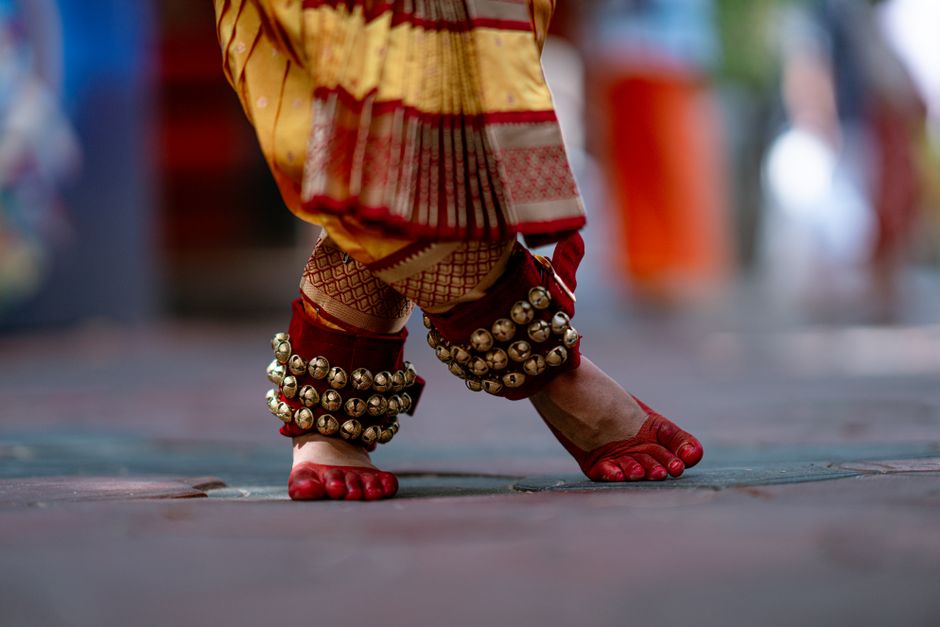
Photo by Krishna Photography on Pexels
Characterized by rapid spins, complex footwork with bells (ghungroos), and storytelling through mime. It has Persian and Mughal influences, seen in its elegant movements and narratives.
Kathakali (Kerala)
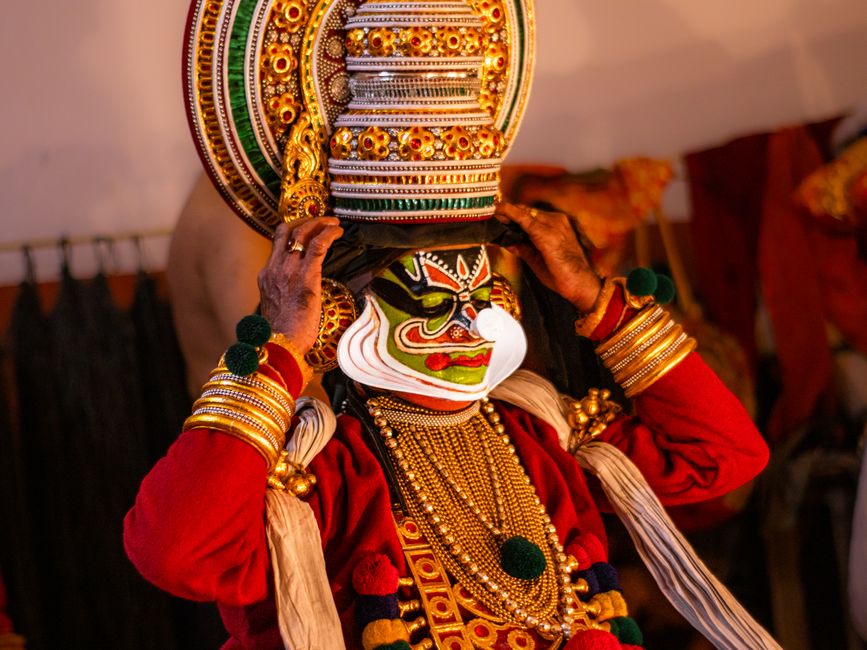
Photo by Abhishek C on Pexels
A highly theatrical dance-drama known for its elaborate costumes, vibrant face paint, and detailed mudras. Performances often last for hours, enacting stories from epics.
Odissi (Odisha)

Photo by SuGuna Photos on Pexels
Distinguished by its graceful, sculptural poses, particularly the "Tribhangi" (three-bend pose). It's very fluid and devotional, often focusing on Lord Jagannath.
Manipuri (Manipur)
Gentle, lyrical movements are its hallmark, without the sharp angles seen in other forms. The costume includes a unique barrel-shaped skirt, and devotional themes are common.
Kuchipudi (Andhra Pradesh)
Combines sharp and fluid movements, often incorporating singing by the dancer. It's lively and graceful, traditionally performed by male Brahmin dancers but now by women too.
Sattriya (Assam)
Originating from Vaishnava monasteries, this dance focuses on devotional themes. It's characterized by its elegant, theatrical movements and use of specific hand gestures.
Mohiniyattam (Kerala)
A graceful, feminine dance form known for its gentle swaying movements, inspired by the enchantress Mohini from Hindu mythology. It's soft and lyrical.
Here's a diagram to help you visualize the main classical dance forms and their origins:
graph TD
    A["Indian Classical Dances"] --> B["Bharatanatyam (Tamil Nadu)"]
    A --> C["Kathak (North India)"]
    A --> D["Kathakali (Kerala)"]
    A --> E["Odissi (Odisha)"]
    A --> F["Manipuri (Manipur)"]
    A --> G["Kuchipudi (Andhra Pradesh)"]
    A --> H["Sattriya (Assam)"]
    A --> I["Mohiniyattam (Kerala)"]
3. Worked Example
Let's take Bharatanatyam as an example. When you watch a performance, you'll see a dancer start with a pushpanjali, an offering of flowers, which is nritta. Then, they might move into a pure dance sequence, an "alarippu", which is rhythmic movement with no explicit story. Following this, an "abhinaya" piece, like a padam, will tell a story using mudras (hand gestures like a lotus bud opening to show a flower), facial expressions (eyes wide with wonder, a slight smile for joy), and body postures (a gentle bow to show respect). Each movement isn't just random; it's a vocabulary. For instance, putting palms together means "namaste" or hello/goodbye, or if slightly cupped, it can mean "flower". The dancer is literally speaking through their body.
4. Key Takeaways
- Indian classical dances are diverse yet unified by shared ancient roots and spiritual themes.
- The Natya Shastra is a foundational text for understanding these dance forms.
- Nritta, Nritya, and Natya are the three core components of Indian classical dance.
- There are eight officially recognized classical dance forms, each linked to a specific region.
- Each dance form has unique costumes, music, and performance styles reflecting its cultural origins.
- Mudras (hand gestures) and abhinaya (facial expressions) are crucial for storytelling.
- These dances are more than just entertainment; they're a form of devotion and cultural preservation.
Common Mistakes to Avoid:
- Don't confuse classical dances with folk dances; folk dances are regional and less structured.
- Don't assume all classical dances look the same; they have distinct characteristics.
- Don't think hand gestures are random; they're a specific, codified language.
- Don't overlook the spiritual or mythological context; it's central to their meaning.
5. Now Try It
Spend 15 minutes watching short videos of at least three different Indian classical dance forms (e.g., Bharatanatyam, Kathakali, Odissi) on YouTube. As you watch, try to identify:
1. One distinct feature of each dance (e.g., specific pose, type of movement, costume).
2. An instance of storytelling (Nritya/Natya) versus pure dance (Nritta).
3. What emotions or stories you think the dancer is trying to convey.
Success looks like you being able to articulate one unique characteristic for each of the three dances you watched and differentiate between pure movement and expressive storytelling.
Frequently asked about Introduction to Indian Classical Dances
Get the full nata gk curriculum
Clone the complete plan to your dashboard for unlimited AI-generated notes, practice quizzes, and a personalised revision schedule.
Create Free Account