The Arts: An Uprising
From the World scholars Cup. Cornucopia note 2# curriculum
TL;DR
"The Arts: An Uprising" explores how art challenges norms, sparks social change, and reflects societal shifts, acting as both a mirror and a catalyst for rebellion. This topic isn't just about art history; it's about art's power to question, provoke, and inspire action. You'll look at various art forms that have traditionally pushed boundaries and influenced how people think and live.
1. The Mental Model
Think of art as a powerful megaphone or a hidden whisper – it can both loudly protest and subtly question the status quo. It’s not just pretty pictures; it's a way people express discontent, imagine alternatives, and push for change in society.
2. The Core Material
When we talk about "The Arts: An Uprising," we're diving into how various art forms – visual arts, literature, music, performance, and more – have historically and continually served as catalysts or reflections of rebellion and social change. It's about art as a force that questions, challenges, and transforms.
Art as a Mirror of Discontent

Photo by cottonbro studio on Pexels
Often, artists respond directly to the world around them. When society faces injustice, war, or oppression, art can be the first place where these issues are honestly portrayed. Think of protest songs during civil rights movements or paintings depicting the harsh realities of industrialization. This type of art reflects the uprising that's already brewing or happening.
Art as a Catalyst for Change
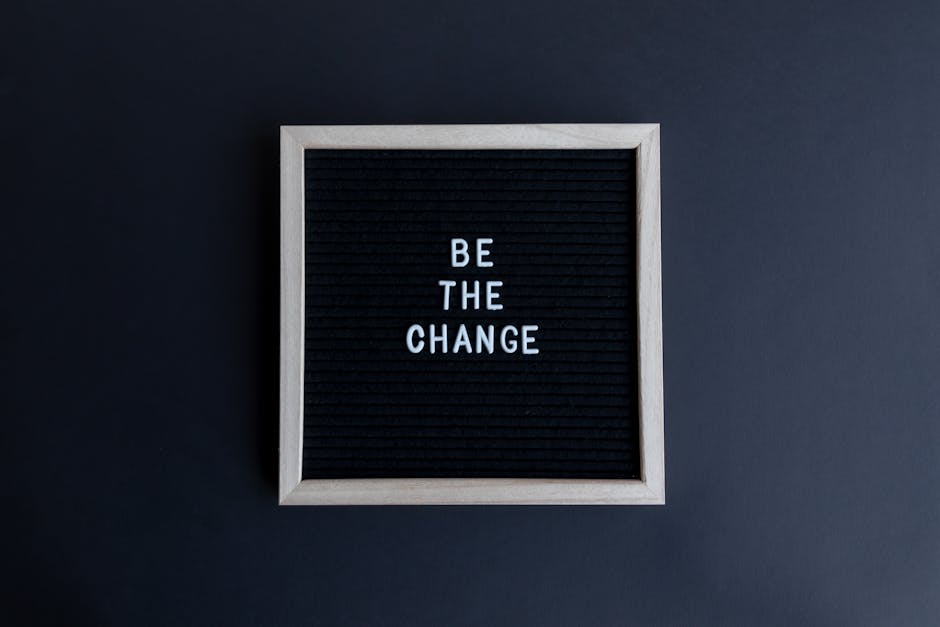
Photo by Jorge Urosa on Pexels
Sometimes, art doesn't just reflect; it incites. A powerful play, a provocative photograph, or a revolutionary poem can open people's eyes, stir emotions, and motivate them to act. It can spark conversations, challenge deeply held beliefs, and provide a vision for a different future, thereby actively contributing to an uprising.
Breaking Artistic Norms as an Uprising
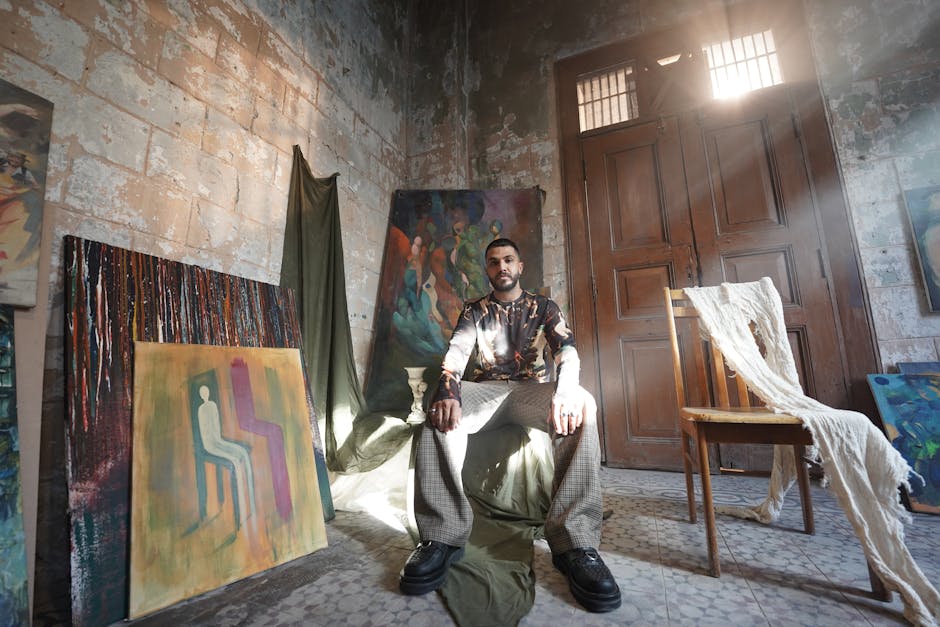
Photo by zaid mohammed on Pexels
An "uprising" isn't always political. It can also be an artistic rebellion against established styles, techniques, or subject matter. Think of the Impressionists breaking from academic art, or free verse poetry challenging traditional poetic forms. These internal art world uprisings often pave the way for new ways of seeing and thinking, which can sometimes spill over into broader societal changes.
The Role of Context

Photo by Maksim Goncharenok on Pexels
The impact of art as an uprising is deeply tied to its historical and cultural context. What might be revolutionary in one era or place could be commonplace in another. Understanding the "rules" that artists are breaking helps us appreciate the "uprising" they represent.
graph TD
    A["Societal Conditions (Injustice, War, Oppression)"] --> B["Artist's Response (Observation, Feeling)"]

    B --> C1["Art as a Mirror (Reflects Discontent)"]
    B --> C2["Art as a Catalyst (Incites Action & Thought)"]
    B --> C3["Artistic Rebellion (Challenges Art Norms)"]

    C1 --> D["Public Awareness & Empathy"]
    C2 --> E["Social Dialogue & Activism"]
    C3 --> F["New Artistic Movements & Perspectives"]

    D --> G["Potential for Societal Change"]
    E --> G
    F --> G
Different Art Forms, Different Impact
- Visual Arts (Painting, Sculpture, Photography): Can offer immediate, striking imagery that bypasses language barriers and evokes strong emotional responses. Think of Picasso's Guernica.
- Literature (Poetry, Novels, Plays): Allows for detailed exploration of ideas, narratives of struggle, and envisioning alternative realities. George Orwell's 1984 is a classic example.
- Music: Often has a collective, unifying power. Anthems and protest songs can rally spirits and express shared anger or hope.
- Performance Art (Theatre, Dance): Can be immersive and confrontational, often breaking down the barrier between audience and art, demanding direct engagement.
3. Worked Example
Consider the punk rock movement of the 1970s. Economically, many young people felt disenfranchised and hopeless. Musically, mainstream rock had become elaborate and corporate. Punk bands like The Sex Pistols and The Clash emerged with raw, aggressive music and lyrics that directly attacked authority and consumerism ("Anarchy in the U.K."). Their fashion (torn clothes, safety pins), DIY ethos, and rejection of musical virtuosity were an artistic uprising against established music norms. This wasn't just music; it was a subculture that channeled widespread frustration, offering a voice to those who felt ignored, and inspiring a generation to question everything. The impact reverberated in fashion, politics, and subsequent music genres, proving how an artistic uprising can be deeply intertwined with social discontent.
4. Key Takeaways
- Art can serve as a direct reflection of societal problems and injustices.
- Artists often challenge existing norms and traditions, creating "uprisings" within their own fields.
- Different art forms have unique strengths in their ability to provoke, communicate, and inspire change.
- The power of art to instigate or reflect an uprising is heavily influenced by its context.
- Art can initiate crucial conversations and galvanize people towards collective action.
- An "uprising" in art isn't always about violence; it's about challenging power and convention.
- Understanding the status quo is essential to appreciating the rebellious nature of certain artworks.
5. Now Try It
Choose a historical period (e.g., the Renaissance, the Age of Enlightenment, the Civil Rights Movement, the Cold War era) and identify one specific artwork (it can be a painting, a song, a book, a play, etc.) that you believe represents an "uprising" in some way. Explain in a short paragraph (5-7 sentences) how this artwork either challenged existing norms, reflected societal discontent, or actively contributed to social change during that period.
Success looks like: Clearly identifying the artwork and its historical context, concisely explaining what "norms" it challenged (artistic, social, political), and describing its role (mirror or catalyst) in an "uprising" of its time.
Frequently asked about The Arts: An Uprising
Study this next
Get the full World scholars Cup. Cornucopia note 2# curriculum
Clone the complete plan to your dashboard for unlimited AI-generated notes, practice quizzes, and a personalised revision schedule.
Save this course free