Diagnosis of Plant Diseases and Advanced Topics
From the plant pathology curriculum
TL;DR
Diagnosing plant diseases involves systematically observing symptoms, identifying the pathogen, and understanding environmental factors. It's a detective process that combines field experience with lab techniques for accurate identification. Advanced topics like molecular diagnostics and remote sensing offer powerful new tools to make diagnoses faster and more precise.
1. The Mental Model
Think of plant disease diagnosis as solving a mystery: you gather clues (symptoms), interview suspects (potential pathogens), and use evidence (lab tests) to identify the culprit. The goal is to figure out what is making the plant sick and why so you can recommend the right treatment.
2. The Core Material
Diagnosing plant diseases is a crucial skill for anyone working with plants. It often starts with visual inspection and moves to more detailed lab work.
The Diagnostic Process

Photo by Daniel Andraski on Pexels
The diagnostic process typically follows these steps:
- Observe Symptoms: What do you see? Are leaves yellowing, wilting, spotting, or showing cankers? Note the location (roots, stems, leaves), pattern (scattered, uniform), and progression over time.
- Gather Information: Ask questions about the plant's history, growing conditions (soil type, watering, fertilization), recent weather, and presence of pests.
- Examine Signs: Sometimes you can see the pathogen itself, like fungal fruiting bodies, bacterial ooze, or nematode cysts. These are called signs.
- Sample Collection: Collect representative samples of infected and healthy tissue. Proper sampling is critical to ensure accurate lab results.
-
Lab Analysis: This is where you get more specific.
- Microscopic Examination: Look for fungal spores, hyphae, bacterial cells, or nematodes.
- Moist Chamber Incubation: Encourages pathogen growth for easier identification.
- Isolation and Culture: Grow the pathogen on artificial media to identify it morphologically.
- Pathogenicity Test (Koch's Postulates): Inoculate a healthy host with the isolated pathogen to confirm it causes the same disease, then re-isolate it. This is the "gold standard" for confirmation.
Advanced Diagnostic Techniques
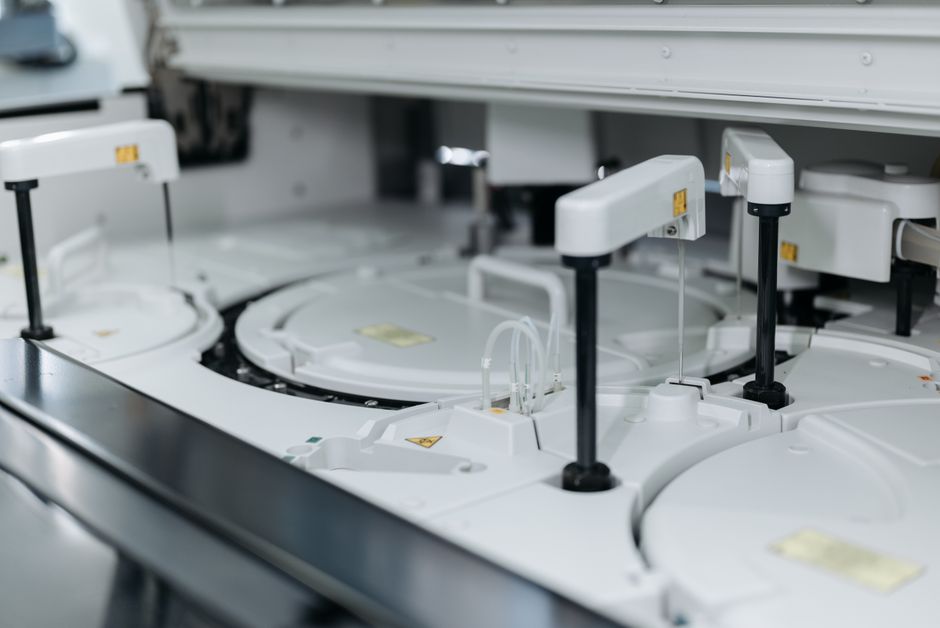
Photo by Pavel Danilyuk on Pexels
While traditional methods are foundational, advanced techniques offer speed, precision, and the ability to detect unculturable pathogens.
-
Molecular Diagnostics:
- PCR (Polymerase Chain Reaction): Amplifies specific DNA sequences from the pathogen, allowing detection even when present in very low amounts. Different PCR types (e.g., real-time PCR, multiplex PCR) can quantify pathogens or detect multiple pathogens simultaneously.
- ELISA (Enzyme-Linked Immunosorbent Assay): Uses antibodies to detect specific pathogen proteins. It's fast, sensitive, and often used for viruses and bacteria.
- Sequencing: Determines the exact genetic code of a pathogen, providing highly accurate identification and even strain-level differentiation.
-
Remote Sensing and Precision Agriculture:
- Hyperspectral Imaging: Detects changes in light reflection patterns from plants before visible symptoms appear, indicating stress or disease. Drones or satellites can be used.
- Thermal Imaging: Detects temperature differences, which can indicate physiological stress related to disease.
- Geospatial Analysis (GIS): Maps disease incidence and spread over large areas, helping to understand patterns and manage outbreaks.
Here’s a simplified flow of the diagnostic process, combining traditional and advanced steps:
graph TD
    A["Observe Symptoms & Gather Info"] --> B{"Visible Signs Present?"}
    B -- Yes --> C["Microscopic Examination"]
    B -- No --> D["Collect Samples"]
    D --> E{"Culturable Pathogen Likely?"}
    E -- Yes --> F["Isolation & Culture"]
    E -- No --> G["Molecular Diagnostics (PCR, ELISA, Sequencing)"]
    C --> H["Preliminary Identification"]
    F --> H
    G --> H
    H --> I{"Pathogen Confirmed?"}
    I -- Yes --> J["Koch's Postulates (if needed)"]
    I -- No --> K["Re-evaluate / Try Other Tests"]
    J --> L["Final Diagnosis & Management Recommendation"]
    K --> L
Challenges in Diagnosis

Photo by Anna Shvets on Pexels
- Abiotic vs. Biotic Factors: It's often hard to distinguish between symptoms caused by a pathogen (biotic) and those caused by environmental stress, nutrient deficiencies, or chemical damage (abiotic). Many abiotic stresses can mimic disease symptoms.
- Multiple Pathogens: A plant might be infected with more than one pathogen, or have a pathogen alongside an abiotic stress.
- Latent Infections: Pathogens can be present without showing symptoms, making detection difficult.
- New or Unknown Pathogens: Especially with global trade, new diseases emerge, requiring careful characterization.
3. Worked Example
Let's say you're observing a tomato plant.
- Observation: You notice sudden wilting of the whole plant, starting from the lower leaves, even though the soil is moist. Some leaves also show yellowing between the veins. You don't see any obvious insects or fungal growth on the leaves.
- Information Gathering: You learn the plant is in heavy clay soil, it rained a lot last week, and ambient temperatures have been high.
- Initial Hypothesis: Wilting with adequate water often points to a root or vascular problem. The sudden onset and yellowing suggest a possible bacterial wilt or fungal wilt (like Fusarium or Verticillium). Abiotic factors like waterlogging (from clay soil and rain) could also be involved, potentially stressing the roots and making them susceptible.
- Sampling: You carefully dig up the plant, ensuring roots are intact. You cut sections of the stem near the soil line and also some lower wilting leaves.
- Lab Analysis:
- Microscopic: You look at cross-sections of the stem. You notice browning in the vascular tissue. You also see bacterial streaming when you cut a fresh stem section and place it in water under a microscope. This is a strong indicator of bacterial wilt.
- Isolation: You plate small pieces of the discolored vascular tissue onto nutrient agar. After 24-48 hours, you observe creamy white, slimy bacterial colonies, which is typical for Ralstonia solanacearum (bacterial wilt).
- Molecular (Optional but good for confirmation): You could also run a PCR test on DNA extracted from the vascular tissue using primers specific to Ralstonia solanacearum to confirm the identification quickly and precisely.
- Diagnosis: Based on the symptoms, microscopic observations, and isolation, you confidently diagnose bacterial wilt caused by Ralstonia solanacearum. The heavy clay soil and wet conditions likely exacerbated the problem, favoring pathogen spread.
4. Key Takeaways
- Always start with thorough observation of symptoms and gathering environmental information.
- Differentiate between symptoms (plant's reaction) and signs (pathogen's presence).
- Koch's Postulates are the scientific gold standard for confirming pathogenicity.
- Molecular techniques like PCR and ELISA offer rapid, sensitive, and specific pathogen identification, especially for difficult-to-culture organisms.
- Remote sensing tools can help detect plant stress and disease outbreaks early over large areas.
- Be aware that abiotic factors can mimic disease symptoms, so always consider environmental stress.
Common Mistakes to Avoid:
- Jumping to conclusions based on a single symptom without considering the whole picture.
- Improper sample collection, leading to inaccurate lab results.
- Ignoring environmental factors that can predispose plants to disease or cause similar symptoms.
- Confusing normal plant variations or insect damage with disease symptoms.
5. Now Try It
You find a houseplant with curled leaves, stunted growth, and some light green spots on older leaves. What are the first three steps you'd take to diagnose the problem, and what specific observations would you make for each step? What's one advanced diagnostic technique you might consider if traditional methods are inconclusive, and why?
Frequently asked about Diagnosis of Plant Diseases and Advanced Topics
Study this next
Get the full plant pathology curriculum
Clone the complete plan to your dashboard for unlimited AI-generated notes, practice quizzes, and a personalised revision schedule.
Save this course free