Diabetes Mellitus
From the Highbloodpressure, diabetes mellitus, Uric acid/gout and their symptoms, cause and prevention curriculum
TL;DR
Diabetes Mellitus is a condition where your body either doesn't produce enough insulin or can't use the insulin it makes effectively, leading to high blood sugar levels. Left untreated, high blood sugar can damage many organs over time, but managing it through diet, exercise, and medication can help you live a healthy life. Understanding your type of diabetes and how to control your blood sugar is key to preventing complications.
1. The Mental Model
Imagine your body as a car and sugar (glucose) as its fuel. Insulin is like the key that unlocks the car doors, letting the fuel get inside the cells to power them. In diabetes, either you don't have enough keys (insulin) or the locks are jammed (cells don't respond to insulin), so the fuel stays outside, building up in your bloodstream.
2. The Core Material
Diabetes Mellitus is a chronic disease that affects how your body turns food into energy. Most of the food you eat is broken down into glucose (sugar) and released into your bloodstream. When your blood sugar goes up, it signals your pancreas to release insulin. Insulin acts like a key, letting blood sugar into your body’s cells for use as energy.
If you have diabetes, your body either doesn't make enough insulin or can't use the insulin it makes as well as it should. When there isn't enough insulin or cells stop responding to insulin, too much blood sugar stays in your bloodstream. Over time, that can lead to serious health problems, such as heart disease, kidney disease, vision loss, and nerve damage.
Types of Diabetes

Photo by Nataliya Vaitkevich on Pexels
There are several types of diabetes, but the most common ones are Type 1, Type 2, and Gestational Diabetes.
-
Type 1 Diabetes: This is an autoimmune condition where your body's immune system attacks and destroys the insulin-producing cells in your pancreas. It's often diagnosed in children and young adults, though it can occur at any age. People with Type 1 diabetes need to take insulin every day to survive.
-
Type 2 Diabetes: This is the most common type. With Type 2, your body either doesn't make enough insulin or doesn't use insulin well (this is called insulin resistance). It can develop at any age, even during childhood, but is more common in middle-aged and older people. Lifestyle factors like diet and lack of exercise play a significant role.
-
Gestational Diabetes: This type develops in some women during pregnancy. It usually goes away after the baby is born, but it increases the mother's and child's risk of developing Type 2 diabetes later in life.
Symptoms of Diabetes
Photo by Artem Podrez on Pexels
Symptoms can vary depending on the type of diabetes and how high your blood sugar is. Some common symptoms include:
- Increased thirst and frequent urination
- Increased hunger
- Unexplained weight loss
- Fatigue
- Blurred vision
- Slow-healing sores
- Frequent infections (gums, skin, vaginal)
- Numbness or tingling in the hands or feet
Causes of Diabetes
Photo by Artem Podrez on Pexels
-
Type 1: The exact cause isn't fully understood, but it's believed to be a combination of genetic predisposition and environmental factors (like viruses) that trigger the autoimmune response.
-
Type 2: A combination of genetic factors and lifestyle choices. Risk factors include being overweight or obese, physical inactivity, family history of Type 2 diabetes, certain ethnic backgrounds, and age.
-
Gestational Diabetes: Hormonal changes during pregnancy can make your body less sensitive to insulin.
Diagnosis of Diabetes
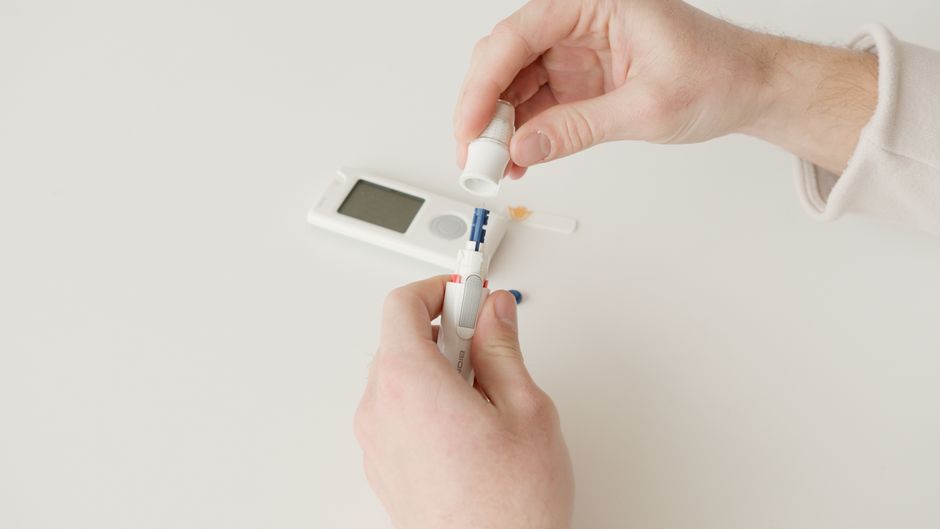
Photo by Artem Podrez on Pexels
Diabetes is diagnosed using simple blood tests:
-
Fasting Plasma Glucose (FPG) Test: Measures your blood sugar after an overnight fast (no food for at least 8 hours).
- Normal: less than 100 mg/dL (5.6 mmol/L)
- Pre-diabetes: 100-125 mg/dL (5.6-6.9 mmol/L)
- Diabetes: 126 mg/dL (7.0 mmol/L) or higher on two separate tests
-
A1C Test (Glycated Hemoglobin Test): Measures your average blood sugar levels over the past 2-3 months.
- Normal: below 5.7%
- Pre-diabetes: 5.7% to 6.4%
- Diabetes: 6.5% or higher
-
Oral Glucose Tolerance Test (OGTT): Measures your blood sugar before and 2 hours after you drink a sugary liquid.
- Normal: less than 140 mg/dL (7.8 mmol/L)
- Pre-diabetes: 140-199 mg/dL (7.8-11.0 mmol/L)
- Diabetes: 200 mg/dL (11.1 mmol/L) or higher
Prevention and Management
While Type 1 diabetes can't be prevented, Type 2 and gestational diabetes often can be prevented or delayed with healthy lifestyle changes. Management of all types focuses on keeping blood sugar levels within a target range to prevent complications.
graph TD
    A[Food consumed] --> B{Digested to Glucose}
    B --> C[Blood Sugar Rises]
    C --> D{Pancreas releases Insulin}
    D -- Good Insulin Response --> E[Insulin "unlocks" cells]
    E --> F[Glucose enters cells for energy]
    F --> G[Blood Sugar Normalizes]

    D -- Impaired Insulin / Insulin Resistance --> H[Glucose stays in bloodstream]
    H -- Prolonged High Sugar --> I[Complications over time]
    I --> J["Organ Damage (Heart, Kidneys, Eyes, Nerves)"]
    J --> K[Increased Risk of Heart Attack, Stroke]
    K --> L[Diabetic Neuropathy, Retinopathy, Nephropathy]
Management Strategies:
- Diet: Focus on whole, unprocessed foods. Limit sugary drinks, refined carbohydrates, and unhealthy fats. Pay attention to portion sizes and carbohydrate counting. A registered dietitian can be a great help here.
- Exercise: Regular physical activity helps your cells use glucose more efficiently and improves insulin sensitivity. Aim for at least 150 minutes of moderate-intensity aerobic activity per week, plus muscle-strengthening activities twice a week.
- Medication:
- Insulin: Essential for Type 1 diabetes and often needed for Type 2 diabetes when other treatments aren't enough. It's given via injection or an insulin pump.
- Oral Medications: For Type 2 diabetes, these can include drugs that help your body make more insulin (e.g., sulfonylureas), improve insulin sensitivity (e.g., metformin), slow sugar absorption (e.g., alpha-glucosidase inhibitors), or increase glucose excretion in urine (e.g., SGLT2 inhibitors).
- Blood Sugar Monitoring: Regularly checking your blood sugar levels (using a home monitor or continuous glucose monitor) helps you understand how food, exercise, and medication affect your body.
- Regular Check-ups: Regular visits to your doctor and specialists (like an ophthalmologist for eye exams or a podiatrist for foot care) are crucial for monitoring complications and adjusting your treatment plan.
3. Worked Example
Let's say you're a 45-year-old individual who's been feeling tired, thirsty, and noticing frequent trips to the bathroom. You decide to visit your doctor.
- Symptoms: You describe your increased thirst, urination, and fatigue. Your doctor also notes you've gained some weight recently.
- Blood Tests: The doctor orders a Fasting Plasma Glucose (FPG) test and an A1C test.
- Your FPG result comes back at 145 mg/dL. This is higher than the normal range (<100 mg/dL) and indicates diabetes (>= 126 mg/dL).
- Your A1C result is 7.2%. This is also in the diabetic range (>= 6.5%).
- Diagnosis: Based on these results, you are diagnosed with Type 2 Diabetes.
- Treatment Plan: Your doctor discusses a comprehensive plan:
- Dietary changes: Limiting sugary drinks, reducing refined carbs, and increasing fiber intake. You're referred to a dietitian for personalized meal planning.
- Exercise: Starting with daily brisk walks and gradually increasing activity.
- Medication: Your doctor prescribes Metformin, a common first-line medication for Type 2 diabetes that helps improve insulin sensitivity and reduce glucose production by the liver.
- Monitoring: You're instructed on how to use a blood glucose meter to check your sugar levels at home, especially before and 2 hours after meals, and to keep a log.
- Follow-up: A follow-up appointment is scheduled in 3 months to review your progress, blood sugar logs, and potentially re-check your A1C to see if the changes are effective.
By following this plan, your goal is to bring your blood sugar levels into a healthy range and prevent long-term complications.
4. Key Takeaways
- Diabetes is a condition where your body struggles to manage blood sugar, either due to insufficient insulin or insulin resistance.
- Type 1 diabetes is an autoimmune condition requiring daily insulin, while Type 2 is more common and often linked to lifestyle, sometimes managed without insulin initially.
- Common symptoms include increased thirst, frequent urination, fatigue, and unexplained weight loss.
- Diagnosis is confirmed with blood tests like FPG and A1C, which measure blood sugar levels.
- Lifestyle changes, including a healthy diet and regular exercise, are critical for managing or preventing Type 2 diabetes.
- Medications, including insulin and oral drugs, are often necessary to keep blood sugar levels in check.
- Regular monitoring of blood sugar and consistent medical check-ups are essential to prevent long-term complications.
Common mistakes to avoid:
- Ignoring symptoms and delaying a doctor's visit, which can lead to more serious complications.
- Thinking diet and exercise aren't important if you're taking medication; they're foundational for managing diabetes.
- Not checking your blood sugar regularly, as this limits your ability to understand what impacts your levels.
- Stopping medication or changing dosages without consulting your doctor.
5. Now Try It
For the next week, try to keep a brief "food and activity" log. Note down everything you eat and drink, and any physical activity you do. Don't worry about counting calories or carbs for now, just observe the patterns. After a week, look back at your log and try to identify one or two areas where you could make a healthier choice, like swapping a sugary drink for water or adding a 15-minute walk to your day. Success looks like you identifying at least one realistic, small change you feel confident you could implement.
Frequently asked about Diabetes Mellitus
Study this next
Get the full Highbloodpressure, diabetes mellitus, Uric acid/gout and their symptoms, cause and prevention curriculum
Clone the complete plan to your dashboard for unlimited AI-generated notes, practice quizzes, and a personalised revision schedule.
Save this course free