Introduction to Hypertension and Diabetes Mellitus
From the Highbloodpressure, diabetes mellitus curriculum
TL;DR
Hypertension (high blood pressure) and Diabetes Mellitus (high blood sugar) are common, serious health conditions that often occur together. Understanding what they are and how they affect your body is key to managing them and staying healthy. Both conditions can lead to severe complications if not properly controlled.
1. The Mental Model
Think of your body's systems as a finely tuned machine. When you have hypertension, it's like the pump (your heart) is working too hard, creating too much pressure in the pipes (blood vessels). With diabetes, it's like a problem with the fuel (sugar) or the way your body uses that fuel to power the machine.
2. The Core Material
Hypertension and Diabetes Mellitus are chronic conditions, meaning they're long-lasting and often require ongoing management. They're frequently linked because they share risk factors and can worsen each other.
What is Hypertension?
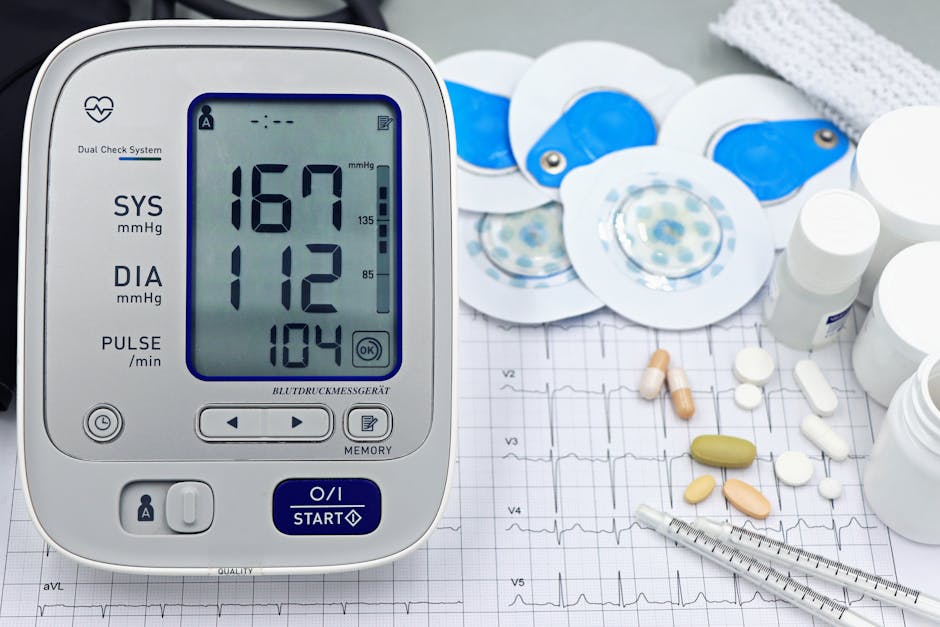
Photo by Marta Branco on Pexels
Hypertension, or high blood pressure, means the force of your blood against your artery walls is consistently too high. Your blood pressure is measured with two numbers:
- Systolic pressure (top number): This is the pressure when your heart beats and pushes blood out.
- Diastolic pressure (bottom number): This is the pressure when your heart rests between beats.
A normal blood pressure is typically below 120/80 mmHg. When it's consistently 130/80 mmHg or higher, it's considered hypertension. Over time, high pressure damages your blood vessels and organs.
What is Diabetes Mellitus?

Photo by i-SENS, USA on Pexels
Diabetes Mellitus is a condition where your body can't properly use or produce insulin, a hormone that helps sugar (glucose) from food get into your cells for energy. This leads to high blood sugar levels.
There are two main types:
- Type 1 Diabetes: Your body doesn't produce insulin. It's often diagnosed in children and young adults.
- Type 2 Diabetes: Your body either doesn't produce enough insulin or doesn't use insulin effectively (insulin resistance). This is the most common type and is often linked to lifestyle factors.
Over time, high blood sugar damages many parts of your body, including your eyes, kidneys, nerves, and blood vessels.
Why do they often occur together?

Photo by Ann H on Pexels
Hypertension and diabetes frequently co-exist due to shared risk factors like obesity, unhealthy diet, lack of physical activity, and genetics. Also, high blood sugar can stiffen and narrow blood vessels, contributing to high blood pressure. Conversely, high blood pressure can damage blood vessels, making them less responsive to insulin.
graph TD
    A["Factors like Obesity & Diet"] --> B("Insulin Resistance")
    B --> C("High Blood Sugar (Diabetes)")
    B --> D("High Blood Pressure (Hypertension)")
    C --> E("Blood Vessel Damage")
    D --> E
    E --> F("Increased Risk of Heart Attack & Stroke")
3. Worked Example
Imagine Sarah, a 45-year-old woman. She starts feeling more tired than usual and notices she's thirsty all the time, needing to urinate frequently. She goes to her doctor. During her visit, the doctor takes her blood pressure and it reads 145/92 mmHg. A blood test shows her fasting blood sugar is 180 mg/dL (normal is under 100 mg/dL).
Based on these readings, Sarah is diagnosed with stage 1 hypertension and Type 2 Diabetes Mellitus. Her doctor explains that her high blood sugar likely contributed to the elevated blood pressure over time by damaging her blood vessels. Now, Sarah needs a plan to manage both conditions, which will involve dietary changes, increased physical activity, and potentially medication for both her blood pressure and blood sugar.
4. Key Takeaways
- Hypertension is consistently high blood pressure, while diabetes is consistently high blood sugar.
- Normal blood pressure is below 120/80 mmHg; hypertension starts at 130/80 mmHg or higher.
- Type 1 diabetes means your body doesn't make insulin; Type 2 means it doesn't use insulin well or makes too little.
- Both conditions can damage blood vessels and organs if not managed.
- They often share risk factors and can worsen each other.
- Early diagnosis and management are crucial to prevent serious complications.
Common Mistakes to Avoid:
- Ignoring symptoms like increased thirst or frequent urination, thinking they "aren't serious."
- Not checking your blood pressure or blood sugar regularly if you have risk factors.
- Assuming you only have one condition when both are possible and often linked.
- Relying solely on medication without lifestyle changes for management.
5. Now Try It
Review your family health history for any instances of high blood pressure or diabetes. Write down any relatives who have or had these conditions, noting which type (if known). This exercise helps you understand your personal risk factors and is a good first step in discussing prevention with your doctor. Success looks like you identifying at least one family member with either condition, or confirming no immediate family history for now.
Frequently asked about Introduction to Hypertension and Diabetes Mellitus
Study this next
Get the full Highbloodpressure, diabetes mellitus curriculum
Clone the complete plan to your dashboard for unlimited AI-generated notes, practice quizzes, and a personalised revision schedule.
Save this course free