Homeostatic Imbalances and Adaptation
From the Homeostatis curriculum
TL;DR
Homeostatic imbalances happen when your body can't maintain its internal balance, leading to illness or dysfunction. Your body tries to adapt to these changes, but if it can't, an imbalance can become a disease. Understanding these concepts helps explain how various health conditions develop and progress.
1. The Mental Model
Think of your body like a thermostat trying to keep a room at a set temperature. Homeostasis is that ideal temperature. An imbalance is when the temperature drifts too far, and adaptation is the system trying to adjust the heating or cooling to get back to normal.
2. The Core Material
Your body is constantly working to keep things like temperature, blood sugar, and pH within very narrow ranges. This stable internal environment is called homeostasis. When these internal conditions stray too far from their normal set points, you experience a homeostatic imbalance.
What Causes Imbalances?
Photo by Anna Tarazevich on Pexels
Imbalances can be caused by many factors:
* Internal factors: Genetic mutations, autoimmune responses (where your body attacks itself), or aging (as systems become less efficient).
* External factors: Infections (bacteria, viruses), toxins, trauma (injuries), or environmental stressors (extreme heat or cold).
For example, if you get a bacterial infection, your body's temperature set point might increase, leading to a fever. This is a temporary, controlled imbalance that actually helps fight the infection by making your body less hospitable to the bacteria.
How Your Body Tries to Adapt

Photo by Anna Shvets on Pexels
When an imbalance occurs, your body has mechanisms to try and correct it. This is known as adaptation. These adaptations can be short-term or long-term:
- Short-term adaptations: These are immediate responses. For instance, if you run a marathon, your heart rate increases, you breathe faster, and you sweat more to cool down. These are acute physiological changes to cope with the stress.
- Long-term adaptations: If a stressor is persistent, your body might make more permanent changes. For example, people living at high altitudes develop more red blood cells to carry oxygen more efficiently due to the lower oxygen levels in the air. This is a structural and functional change.
However, there's a limit to how much your body can adapt. If the stressor is too strong or lasts too long, or if your adaptive mechanisms are overwhelmed or impaired (e.g., due to old age or chronic disease), the imbalance can persist and lead to disease.
The Progression to Disease
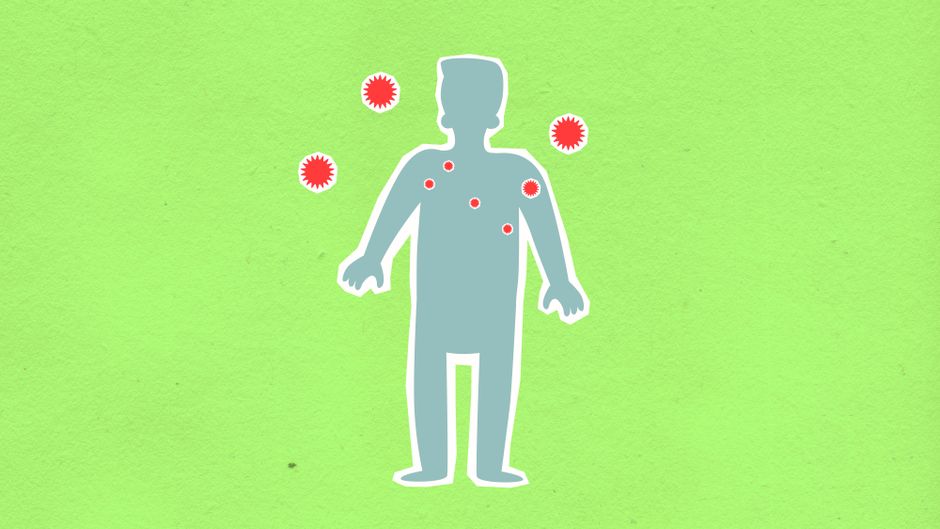
Photo by Monstera Production on Pexels
When your body fails to restore balance, the homeostatic imbalance can become a chronic condition or a disease. For example, if your blood sugar regulation system (involving insulin and glucagon) continuously fails to keep blood glucose within normal limits, it can lead to type 2 diabetes.
Here's a simple flow of how this can happen:
graph TD
    A["Stable Homeostasis"] --> B("Stressor/Disruption")
    B --> C("Homeostatic Imbalance")
    C --> D{"Adaptive Mechanisms Successful?"}
    D -- Yes --> A
    D -- No --> E("Persistent Imbalance")
    E --> F("Compensatory Mechanisms Overwhelmed")
    F --> G("Disease State/Pathology")
This diagram shows that your body tries to return to stability, but if the adaptive responses aren't enough, the imbalance can worsen and become a disease.
3. Worked Example
Let's consider chronic stress as a homeostatic imbalance.
Imagine someone working in a high-pressure job with very little sleep and constant deadlines. This is a stressor.
1. Initial Imbalance: Their body responds by releasing stress hormones like cortisol and adrenaline. This is a normal, short-term homeostatic response (fight or flight) designed to help them cope with immediate threats.
2. Short-term Adaptation: Their heart rate and blood pressure might be slightly elevated, their senses sharpened, and energy diverted to immediate survival functions. This helps them meet deadlines temporarily.
3. Failure of Long-term Adaptation: If the stress continues for months or years, the body is constantly exposed to high levels of cortisol. The system designed for short bursts of stress is now chronically activated. The body's receptors for cortisol can become less sensitive, or the adrenal glands might eventually become less responsive.
4. Progression to Disease: The persistent imbalance can lead to various health problems. High cortisol levels can contribute to increased blood sugar, weight gain (especially around the abdomen), weakened immune function (making them more susceptible to illness), chronic inflammation, and even mental health issues like anxiety and depression. Their initial "adaptation" to work pressure has failed, leading to a disease state caused by prolonged homeostatic disruption.
4. Key Takeaways
- Homeostasis is your body's ability to maintain stable internal conditions.
- A homeostatic imbalance occurs when these conditions deviate too far from their normal ranges.
- Imbalances can be caused by internal factors (e.g., genetics, aging) or external factors (e.g., infections, toxins).
- Adaptation is your body's attempt to restore balance, either short-term (e.g., sweating) or long-term (e.g., increased red blood cells at altitude).
- If adaptive mechanisms are insufficient or overwhelmed, a persistent imbalance can lead to disease.
- Understanding these concepts helps explain the progression from health to illness.
- Many diseases are essentially prolonged or severe homeostatic imbalances.
Common mistakes to avoid:
- Confusing a temporary, beneficial imbalance (like a fever) with a harmful, prolonged imbalance.
- Thinking adaptation always succeeds; it has limits.
- Believing that all diseases have a single, simple cause, rather than often being a complex interplay of imbalances.
- Underestimating the role of lifestyle choices in preventing or contributing to homeostatic imbalances.
5. Now Try It
Think about a common disease you know, like Type 1 Diabetes or Hypertension (high blood pressure). Spend 15 minutes outlining:
1. What specific homeostatic variable is out of balance? (e.g., blood sugar, blood pressure)
2. What generally causes this initial imbalance?
3. How might the body attempt to adapt to this imbalance in the short-term and long-term?
4. Why do these adaptations eventually fail or become insufficient, leading to the full-blown disease state?
Success looks like clearly identifying the variable, the cause, the body's adaptive attempts, and the reasons for their failure in a concise summary.
Frequently asked about Homeostatic Imbalances and Adaptation
More from Homeostatis
Get the full Homeostatis curriculum
Clone the complete plan to your dashboard for unlimited AI-generated notes, practice quizzes, and a personalised revision schedule.
Save this course free