"subtopics": [
From the netherlands curriculum
TL;DR
The Netherlands is a densely populated country in Western Europe, famous for its flat landscape, canals, windmills, and a strong culture of cycling and water management. Its rich history includes a powerful maritime past and a modern, innovative economy with a high quality of life. The country is also known for its liberal social policies and its role as a founding member of the European Union.
1. The Mental Model
Think of the Netherlands as a compact, highly organized country largely shaped by its struggle against the sea, leading to a resilient, innovative, and globally-minded society.
2. The Core Material
The Netherlands, often referred to as Holland (though North and South Holland are just two of its twelve provinces), is a parliamentary constitutional monarchy. Its capital is Amsterdam, but the seat of government is The Hague.
Geography and Water Management
A significant portion of the Netherlands is below sea level, making water management crucial. This has led to an extensive system of dikes, dams, and polders (land reclaimed from the sea). The Delta Works, a series of construction projects, is a testament to this ongoing battle.
graph TD
    A["Rising Sea Levels / Flooding Risk"] --> B["Need for Water Management"]
    B --> C["Construction of Dikes & Dams"]
    B --> D["Reclamation of Land (Polders)"]
    C --> E["Delta Works (Major Project)"]
    D --> F["Fertile Agricultural Land"]
    F --> G["High Population Density"]
    G --> H["Urban Development"]
    E --> I["Flood Protection"]
    I --> J["Safe Living & Working"]
Culture and Society
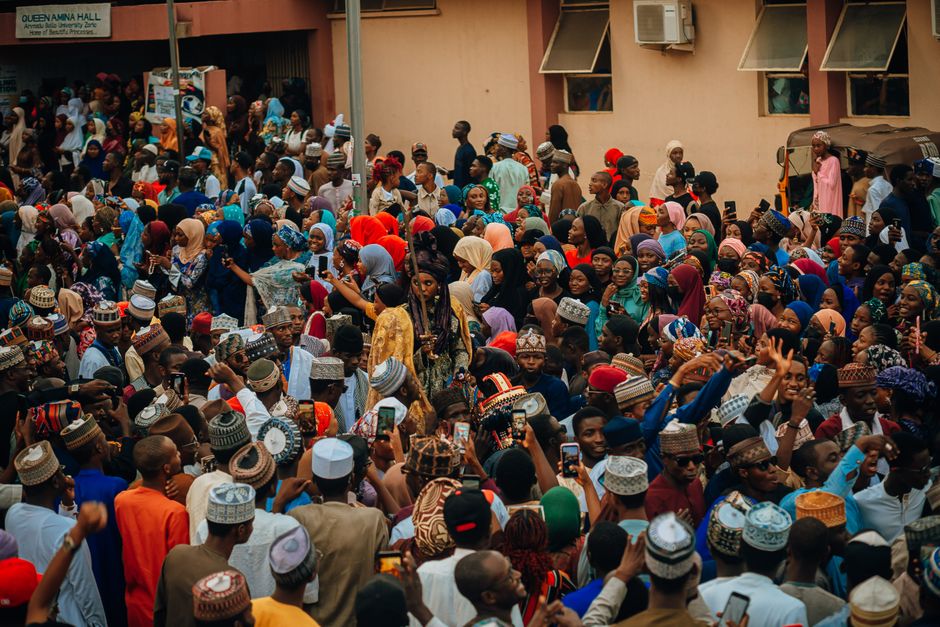
Photo by Kaybee Photography on Pexels
Dutch culture emphasizes directness, equality, and a pragmatic approach to life. Cycling is an integral part of daily transport, with an extensive network of bike paths. The country is also known for its liberal social policies, including legalized cannabis (under strict conditions) and same-sex marriage.
Economy
The Dutch economy is highly developed and open, ranking among the top 20 globally. Key sectors include:
* Agriculture: Despite its small size, the Netherlands is a major exporter of agricultural products, especially flowers (tulips!), vegetables, and dairy.
* Trade and Logistics: Its strategic location and excellent infrastructure, including the port of Rotterdam (Europe's largest), make it a global hub for trade.
* High-Tech and Innovation: The country invests heavily in R&D, particularly in areas like sustainable energy, water technology, and life sciences.
* Services: Banking, insurance, and tourism are also significant contributors.
History
The Dutch Golden Age (17th century) saw the Netherlands become a dominant maritime and economic power, with extensive trade networks and a flourishing arts scene (think Rembrandt and Vermeer). This period also saw the establishment of the Dutch East India Company. After a period of decline and occupation by France, the modern Kingdom of the Netherlands was formed in 1815.
Political System
The Netherlands is a parliamentary democracy with a multi-party system, often leading to coalition governments. The monarch (currently King Willem-Alexander) has a largely ceremonial role.
3. Worked Example
Imagine you're visiting Amsterdam, the capital. You'd likely arrive at Schiphol Airport, a major international hub reflecting the country's logistical strength. From there, you could rent a bicycle to navigate the city's extensive canal network and bike paths, experiencing firsthand the Dutch emphasis on cycling and water infrastructure. You might notice the distinct gabled houses, a legacy of the Golden Age, and pass by a coffee shop (distinct from a café, selling cannabis) demonstrating their liberal social policies. If you ventured outside the city, you'd quickly see vast polders, flat land often below sea level, showcasing the continuous effort in water management that defines much of the landscape.
4. Key Takeaways
- The Netherlands is a low-lying country, heavily reliant on advanced water management systems like dikes and polders.
- Dutch culture values directness, pragmatism, and is characterized by a strong cycling tradition.
- Its economy is highly open and innovative, driven by trade, agriculture, and high-tech industries.
- The country has a rich history, particularly the 17th-century Golden Age of maritime power and artistic achievement.
- The Netherlands is a parliamentary democracy known for its progressive social policies and coalition governments.
- "Holland" refers to two western provinces, not the entire country, although it's commonly used.
- The port of Rotterdam is Europe's largest, highlighting the country's role as a global trade hub.
5. Now Try It
Research one specific aspect of Dutch life or history that interests you – for example, the Delta Works, the role of windmills, or the Dutch East India Company. Write a short paragraph (3-4 sentences) explaining why it's a good example of how the Netherlands manages its unique challenges or leverages its strengths. Success looks like clearly connecting your chosen topic to one or more of the core themes discussed above (e.g., water management, trade, innovation).
Frequently asked about "subtopics": [
More from netherlands
Get the full netherlands curriculum
Clone the complete plan to your dashboard for unlimited AI-generated notes, practice quizzes, and a personalised revision schedule.
Save this course free