Food, Drinks, and Ordering
From the Basic French curriculum
TL;DR
Learning French words for food and drinks helps you navigate menus and express your preferences. You'll also learn key phrases for ordering politely in various situations. Mastering these basics makes dining out or shopping for groceries in French much easier.
1. The Mental Model
Think of learning French food, drinks, and ordering as building a practical vocabulary and a set of useful sentence structures. It's about being able to confidently ask for what you want and understand what's being offered, whether at a restaurant, café, or market.
2. The Core Material
When talking about food and drinks in French, you'll encounter two main types of words: the nouns for the items themselves, and the verbs you use to talk about consuming or getting them.
Nouns: Food (La Nourriture)

Photo by Jean-Paul Wettstein on Pexels
Here are some common food items. Remember that nouns in French have a gender (masculine or feminine), which affects the articles you use (like "a/an" or "the").
- Le pain (bread - masculine)
- Le fromage (cheese - masculine)
- La viande (meat - feminine)
- Le poisson (fish - masculine)
- Les légumes (vegetables - masculine plural)
- Les fruits (fruits - masculine plural)
- La salade (salad - feminine)
- Le riz (rice - masculine)
- Les pâtes (pasta - feminine plural)
- La soupe (soup - feminine)
- Le poulet (chicken - masculine)
- Le bœuf (beef - masculine)
- Les frites (fries - feminine plural)
- Le dessert (dessert - masculine)
Nouns: Drinks (Les Boissons)

Photo by Michael Morse on Pexels
- L'eau (water - feminine, but starts with a vowel, so "l'")
- Le café (coffee - masculine)
- Le thé (tea - masculine)
- Le jus (juice - masculine)
- Le lait (milk - masculine)
- Le vin (wine - masculine)
- La bière (beer - feminine)
- Le soda (soda - masculine)
Verbs for Eating and Drinking

Photo by Andrea Piacquadio on Pexels
The two most important verbs here are:
-
Manger (to eat)
- Je mange (I eat)
- Tu manges (You eat)
- Il/Elle/On mange (He/She/One eats)
- Nous mangeons (We eat)
- Vous mangez (You eat - formal/plural)
- Ils/Elles mangent (They eat)
-
Boire (to drink)
- Je bois (I drink)
- Tu bois (You drink)
- Il/Elle/On boit (He/She/One drinks)
- Nous buvons (We drink)
- Vous buvez (You drink - formal/plural)
- Ils/Elles boivent (They drink)
Ordering Phrases
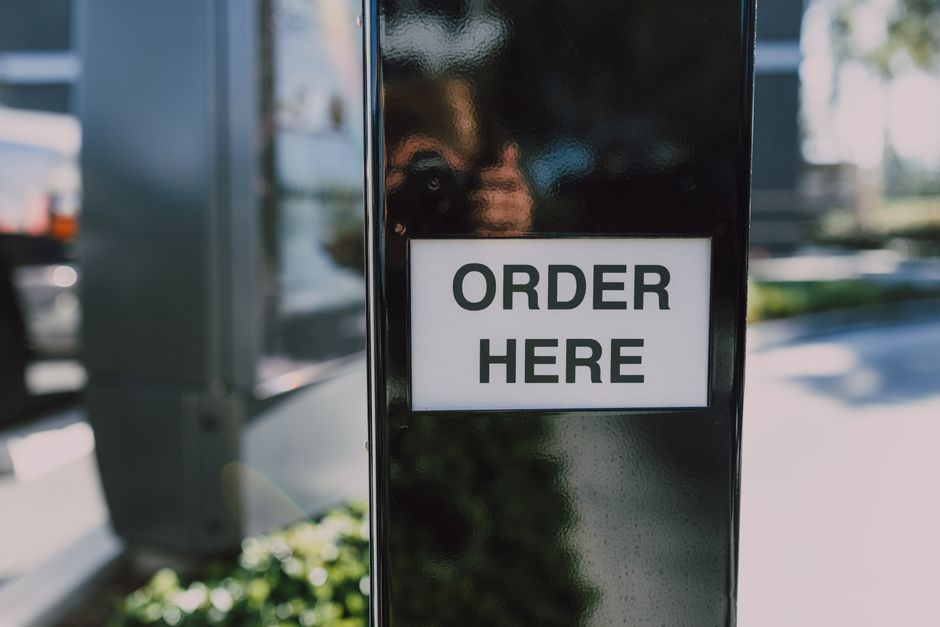
Photo by RDNE Stock project on Pexels
When you're at a restaurant or café, these phrases will be super helpful.
-
To ask for something politely:
- Je voudrais... (I would like...) - This is the most common and polite way.
- Example: "Je voudrais un café, s'il vous plaît." (I would like a coffee, please.)
- Je prends... (I'll have...) - A bit more casual, but still good.
- Example: "Je prends la salade." (I'll have the salad.)
- Donnez-moi... (Give me...) - More direct, use with caution and "s'il vous plaît."
- Example: "Donnez-moi l'addition, s'il vous plaît." (Give me the bill, please.)
- Je voudrais... (I would like...) - This is the most common and polite way.
-
When someone asks you what you want:
- "Qu'est-ce que vous désirez?" (What would you like?)
- "Vous désirez?" (You'd like?)
- "Vous avez choisi?" (Have you chosen?)
-
Basic responses:
- Oui, s'il vous plaît. (Yes, please.)
- Non, merci. (No, thank you.)
-
Asking for the bill:
- L'addition, s'il vous plaît. (The bill, please.)
-
Politeness is key! Always use "s'il vous plaît" (please - formal/plural) or "s'il te plaît" (please - informal/singular) and "merci" (thank you).
Here's a simple flow for ordering food:
graph TD
    A["Enter Restaurant/Café"] --> B["Be Seated/Approach Counter"]
    B --> C{"Ready to Order?"}
    C -- Yes --> D["Greet Server"]
    D --> E["Server Asks: 'Vous désirez?'"]
    E --> F["You Say: 'Je voudrais [item], s'il vous plaît.'"]
    F --> G{"Any Other Items?"}
    G -- Yes --> F
    G -- No --> H["Server Confirms Order"]
    H --> I["Wait for Food/Drink"]
    I --> J["Eat/Drink"]
    J --> K{"Finished?"}
    K -- Yes --> L["Ask for Bill: 'L'addition, s'il vous plaît.'"]
    L --> M["Pay and Say 'Merci, au revoir!'"]
    M --> N["Leave"]
    C -- No --> B
3. Worked Example
Imagine you're at a small café in Paris and want to order a coffee, a croissant, and a glass of water.
Your dialogue:
Waiter: "Bonjour! Vous désirez?" (Hello! What would you like?)
You: "Bonjour. Je voudrais un café, s'il vous plaît." (Hello. I would like a coffee, please.)
Waiter: "Un café. Et avec ça?" (A coffee. And with that?)
You: "Je voudrais aussi un croissant et une eau minérale, s'il vous plaît." (I would also like a croissant and a mineral water, please.)
Waiter: "Très bien. Un café, un croissant et une eau minérale. Ça arrive tout de suite." (Very good. A coffee, a croissant, and a mineral water. It's coming right away.)
... Later, when you're finished ...
You: "L'addition, s'il vous plaît." (The bill, please.)
Waiter: "Oui, un instant." (Yes, one moment.)
... After paying ...
You: "Merci, au revoir!" (Thank you, goodbye!)
Waiter: "Au revoir, bonne journée!" (Goodbye, have a good day!)
4. Key Takeaways
- Always use "Je voudrais..." for polite ordering, adding "s'il vous plaît."
- Learn common food and drink nouns, paying attention to their gender (le/la/l').
- The verbs "manger" (to eat) and "boire" (to drink) are essential for talking about food.
- "L'addition, s'il vous plaît" is the key phrase for asking for the bill.
- Politeness, using "s'il vous plaît" and "merci," is highly valued in French interactions.
- Practice listening for common waiter questions like "Vous désirez?" or "Et avec ça?"
- French nouns starting with a vowel often use "l'" for "the," regardless of gender (e.g., l'eau).
5. Now Try It
For the next 15 minutes, imagine you are planning a meal. Write down five different food items and five different drink items you would like to order in French. Then, write out a short dialogue (like the worked example) where you order these items from a waiter. Focus on using "Je voudrais..." and "s'il vous plaît." Success looks like a clear, polite order in French, even if you just write it down on paper.
Frequently asked about Food, Drinks, and Ordering
More from Basic French
Get the full Basic French curriculum
Clone the complete plan to your dashboard for unlimited AI-generated notes, practice quizzes, and a personalised revision schedule.
Save this course free