Key Roles and Institutions in Canadian Governance
From the civics curriculum
TL;DR
Canadian governance involves three main branches—Legislative, Executive, and Judicial—working together to make and enforce laws, and resolve disputes. Each level of government (federal, provincial/territorial, municipal) has specific responsibilities and key players. Understanding these roles helps you see how decisions are made and how power is balanced.
1. The Mental Model
Think of Canadian governance as a team sport with different players and coaches, all following a set of rules (the Constitution). Each player has a specific role, and they all have to cooperate to keep the game fair and effective.
2. The Core Material
Canada operates as a parliamentary democracy and a constitutional monarchy. This means we elect representatives to Parliament, and the King (represented by the Governor General) is our head of state. Our system is built on three main branches:
a) The Legislative Branch (Makes Laws)
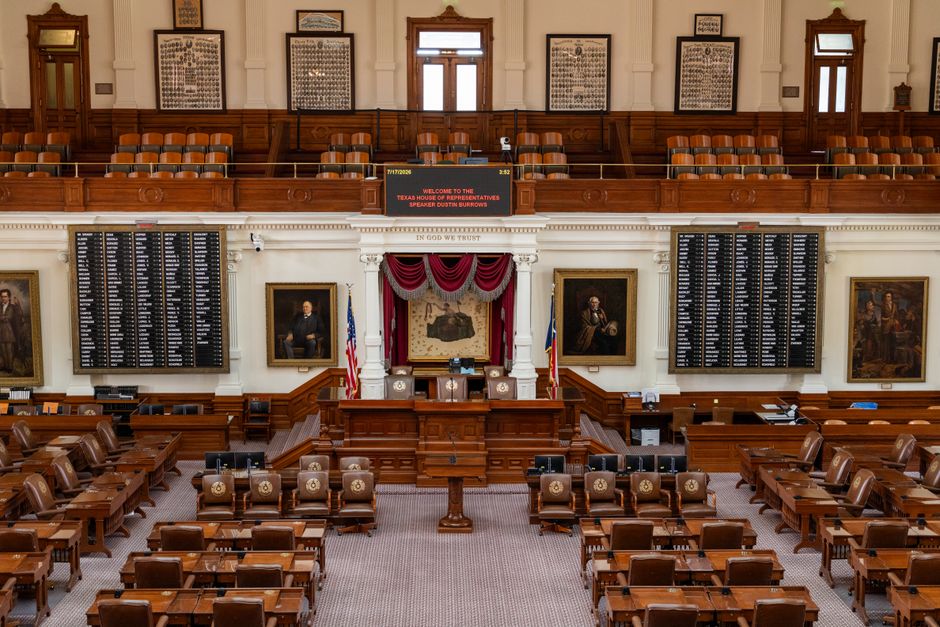
Photo by Brett A on Pexels
This branch is responsible for debating and passing laws.
- Parliament (Federal Level):
- House of Commons: Elected Members of Parliament (MPs) represent their constituents. This is where most federal laws are introduced and debated. The party with the most seats usually forms the government.
- Senate: Appointed Senators review bills passed by the House of Commons. They act as a "chamber of sober second thought," ensuring bills are well-considered.
- The Crown (Governor General): Gives Royal Assent, the final approval for a bill to become law.
- Provincial/Territorial Legislatures: Similar structure to the federal House of Commons, with elected Members of Provincial Parliament (MPPs), Members of the National Assembly (MNAs in Quebec), or similar titles.
- Municipal Councils: Elected councillors and a mayor pass bylaws for local matters.
b) The Executive Branch (Implements Laws)
This branch is responsible for carrying out and enforcing the laws.
- The Crown (Governor General federally, Lieutenant Governors provincially): Represents the King and performs ceremonial duties, but acts on the advice of the Prime Minister/Premier.
- Prime Minister (Federal) / Premier (Provincial): The head of government, usually the leader of the party with the most seats in the legislature. They lead the Cabinet.
- The Cabinet: A group of ministers, chosen by the Prime Minister/Premier, who lead specific government departments (e.g., Finance, Health, Justice). They propose most laws and oversee their implementation.
- Public Service: Non-partisan civil servants who implement government policies and deliver services.
c) The Judicial Branch (Interprets Laws)
This branch is independent and ensures laws are applied fairly and are consistent with the Constitution.
- Courts: A hierarchy of courts, from provincial/territorial courts up to the Supreme Court of Canada, which is the highest court.
- Judges: Appointed officials who interpret laws, hear cases, and make decisions. They are expected to be independent of political influence.
Levels of Government and Their Responsibilities

Photo by Ramaz Bluashvili on Pexels
Canada has a federal system, meaning power is divided between the federal, provincial/territorial, and municipal governments.
graph TD
    A["Canadian Governance Structure"] --> B["Federal Government"]
    A --> C["Provincial/Territorial Governments"]
    A --> D["Municipal Governments"]

    B --> B1["Key Roles: Prime Minister, Cabinet, MPs, Senators, Governor General"]
    B --> B2["Responsibilities: National Defence, Currency, Immigration, Criminal Law"]

    C --> C1["Key Roles: Premier, Cabinet, MNAs/MPPs/MLAs, Lieutenant Governor"]
    C --> C2["Responsibilities: Education, Healthcare, Property Law, Natural Resources"]

    D --> D1["Key Roles: Mayor, Councillors"]
    D --> D2["Responsibilities: Roads, Water, Parks, Libraries, Public Transit"]
3. Worked Example
Let's consider how a new law on cannabis legalization might have moved through the system:
- Executive Proposal: The federal Cabinet, led by the Prime Minister, decides to legalize recreational cannabis. A relevant minister (e.g., Justice or Health) drafts a bill.
- Legislative Debate: The bill is introduced in the House of Commons by the minister. MPs debate it, suggest amendments, and eventually vote on it. If it passes, it moves to the Senate.
- Senate Review: Senators review the bill, may propose further amendments, and vote. If passed, it goes back to the House of Commons if amendments were made, or directly to the Governor General.
- Royal Assent: The Governor General, on behalf of the Crown, gives Royal Assent, and the bill officially becomes an Act of Parliament (a law).
- Executive Implementation: Various federal departments and agencies, guided by the Cabinet, develop regulations and strategies to implement the new law (e.g., Health Canada sets rules for production and sale).
- Provincial/Territorial Role: Provinces and territories, responsible for aspects like retail sales and public consumption, pass their own related laws and regulations within their jurisdiction.
- Judicial Oversight: If there are questions about whether the new law or its implementation respects the Charter of Rights and Freedoms or falls within federal/provincial jurisdiction, the courts (potentially up to the Supreme Court) can be asked to interpret it.
4. Key Takeaways
- Canada's governance is a parliamentary democracy under a constitutional monarchy.
- The Legislative branch (Parliament/Legislatures) makes laws.
- The Executive branch (Prime Minister/Cabinet/Public Service) implements laws.
- The Judicial branch (Courts/Judges) interprets laws and ensures fairness.
- Power is divided between federal, provincial/territorial, and municipal governments, each with specific duties.
- The Prime Minister is the head of government; the Governor General is the head of state (representing the King).
- The Supreme Court of Canada is the highest court in the country.
Common mistakes to avoid:
- Confusing the roles of the Prime Minister (head of government) and the Governor General (head of state).
- Mixing up federal and provincial responsibilities (e.g., thinking the federal government manages local roads).
- Forgetting that the Judiciary is independent and separate from the political branches.
- Underestimating the influence of the Public Service in implementing daily government operations.
5. Now Try It
Choose a recent major public policy issue in Canada (e.g., climate change initiatives, housing affordability, healthcare changes). For that issue, try to identify:
1. Which level(s) of government are primarily responsible?
2. Which branch(es) of government are actively involved (e.g., legislative action, executive policy, potential judicial challenges)?
3. Name at least one key role (e.g., a specific minister, an MP) that would be involved.
Success looks like clearly outlining the roles and institutions involved in addressing your chosen issue, showing how the different parts of Canadian governance interact.
Frequently asked about Key Roles and Institutions in Canadian Governance
Study this next
Get the full civics curriculum
Clone the complete plan to your dashboard for unlimited AI-generated notes, practice quizzes, and a personalised revision schedule.
Save this course free